
Platform Trailers For Sale in New York
Browse platform trailers for sale in New York. Compare lengths, axle setups, deck materials, and securement features for general freight.
Learn more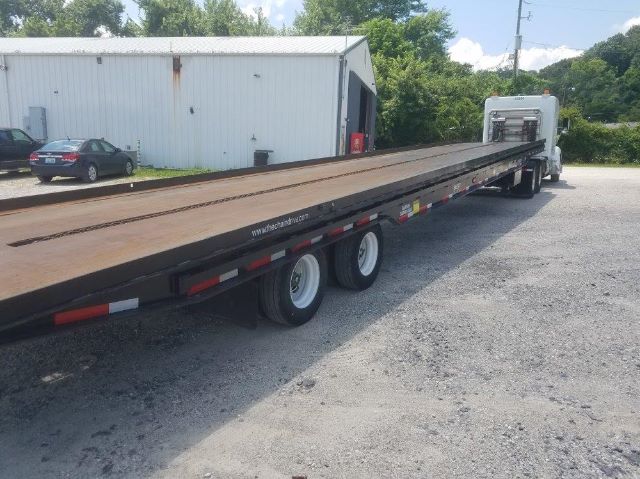
Have platform trailer to sell? List it here to reach thousands of buyers.
About Platform Trailers in New York
The first buying decision is usually deck length, axle spread, and tare weight. Common platform trailer lengths include 48 and 53 feet, with tandem and spread axle configurations both widely used depending on freight mix and state weight considerations. Aluminum trailers help maximize payload and resist corrosion, while steel models can make sense for harder-use applications where repairability and lower upfront cost matter more than weight savings. Deck construction also deserves attention. Apitong and other hardwood floors remain common because they hold up well under forklifts and concentrated loads, while aluminum flooring can reduce weight but may change how the trailer handles repeated point loading.
Securement and durability features separate an average platform trailer from one that fits the work. Buyers should look closely at winch tracks, sliding winches, stake pockets, chain spools, rub rails, and the layout of D-rings or other tie-down points. Coil package capability, rated concentrated load areas, and landing gear type can be important if the trailer will haul steel or dense machinery. Tire inflation systems, aluminum wheels, LED lighting, anti-lock brake systems, and air-ride suspension are common spec items that improve uptime, ride quality, and maintenance control. In New York service, corrosion resistance is especially important, so frame coatings, galvanized components, sealed wiring, and overall underbody condition deserve extra scrutiny.
A good platform trailer is matched to the freight first and the route second. A lighter trailer may be the right answer for general commodity hauling, but dense freight often calls for stronger crossmember design, better floor support, and more securement options. Buyers comparing listings should pay attention to GVWR, empty weight, kingpin setting, axle rating, floor condition, suspension type, brake spec, and the practical details of loading equipment at docks, job sites, and street-access locations. The right platform trailer should give you enough deck, enough securement, and enough structural margin to handle the loads you actually book, not just the ones that look good on paper.
Frequently Asked Questions
What is the difference between a platform trailer and a flatbed trailer?
In most trucking markets, platform trailer and flatbed trailer mean the same thing. Both refer to an open-deck trailer with no permanent sides or roof, designed for freight that can be loaded from the side, rear, or overhead. Some buyers use platform as a broader category term, but in day-to-day fleet use the terms are generally interchangeable.
What platform trailer length is most common?
The most common lengths are 48 feet and 53 feet. A 48-foot platform trailer remains a standard spec for many flatbed operations, while 53-foot models offer more deck space for lighter or longer freight. The right length depends on the commodities hauled, weight distribution needs, state regulations, and how often the trailer must access tighter delivery locations.
Should I choose an aluminum or steel platform trailer?
Aluminum platform trailers usually offer lower tare weight, better corrosion resistance, and more payload capacity, which makes them attractive for general freight and long-haul use. Steel trailers are often chosen for tougher vocational use, lower upfront purchase cost, and easier frame repair in some operations. The better value depends on your freight density, annual miles, maintenance program, and how important payload is to revenue.
What features matter most on a platform trailer for securement?
The most important securement features usually include a strong rub rail, stake pockets, winch track, sliding winches, chain ties, and properly placed tie-down points. Buyers hauling steel, machinery, or other dense freight should also check for coil package capability and concentrated load ratings. Securement layout matters as much as quantity because poorly placed tie-down points can limit how efficiently a trailer can be loaded and legally secured.
What should buyers in New York pay extra attention to on a platform trailer?
New York buyers should pay close attention to corrosion resistance, brake condition, suspension wear, lighting reliability, and overall maneuverability. Road salt, winter moisture, and stop-and-go traffic can accelerate wear on wiring, underbody components, and air system parts. Axle configuration, trailer length, and kingpin setting also matter when the trailer will run in tighter urban areas as well as on interstate lanes.