
Trailers For Sale Near Pekin, Illinois
Browse trailers for sale in Pekin, IL, including dry vans, reefers, and curtainsides with common specs, applications, and buyer tips.
Learn more
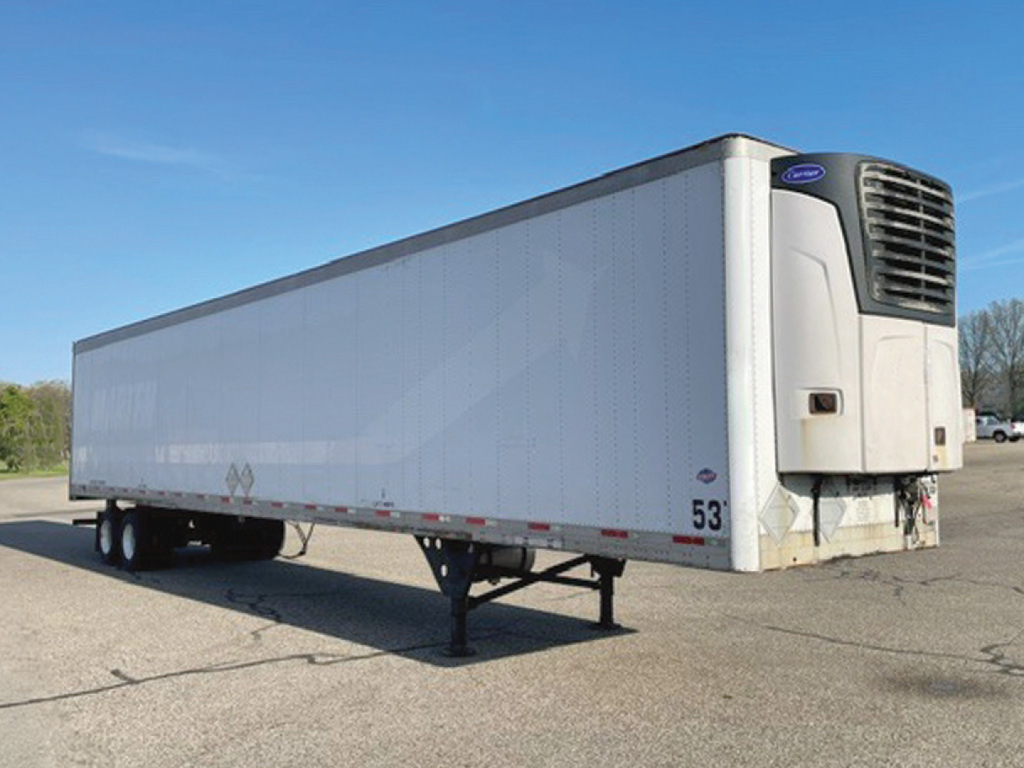
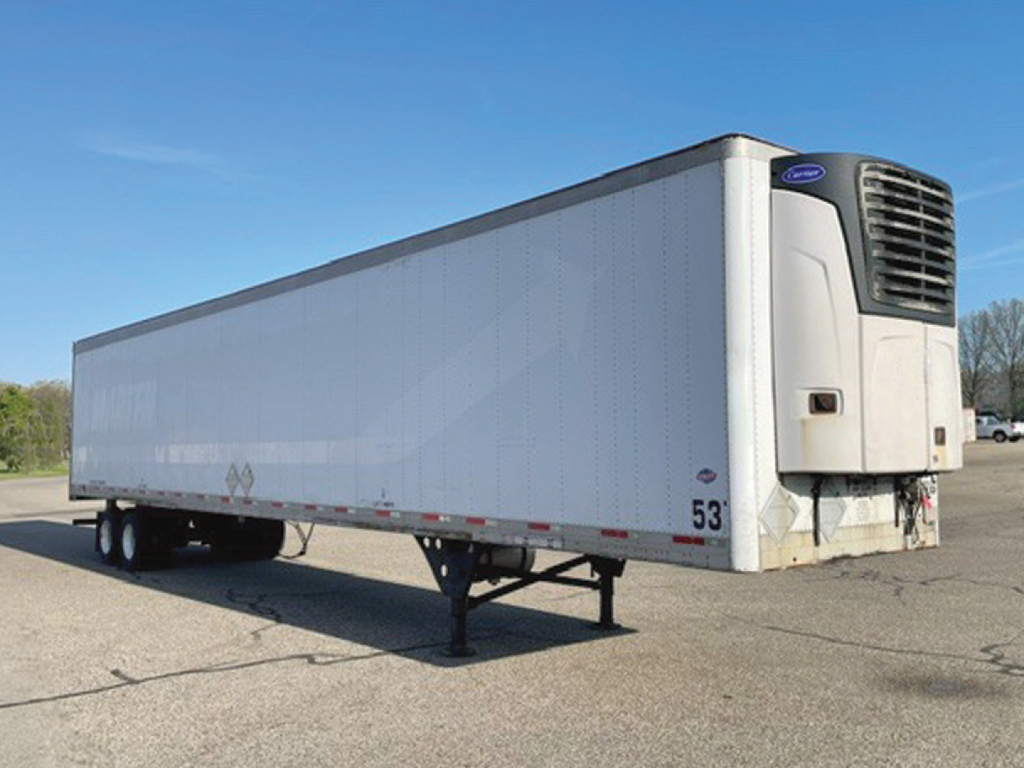
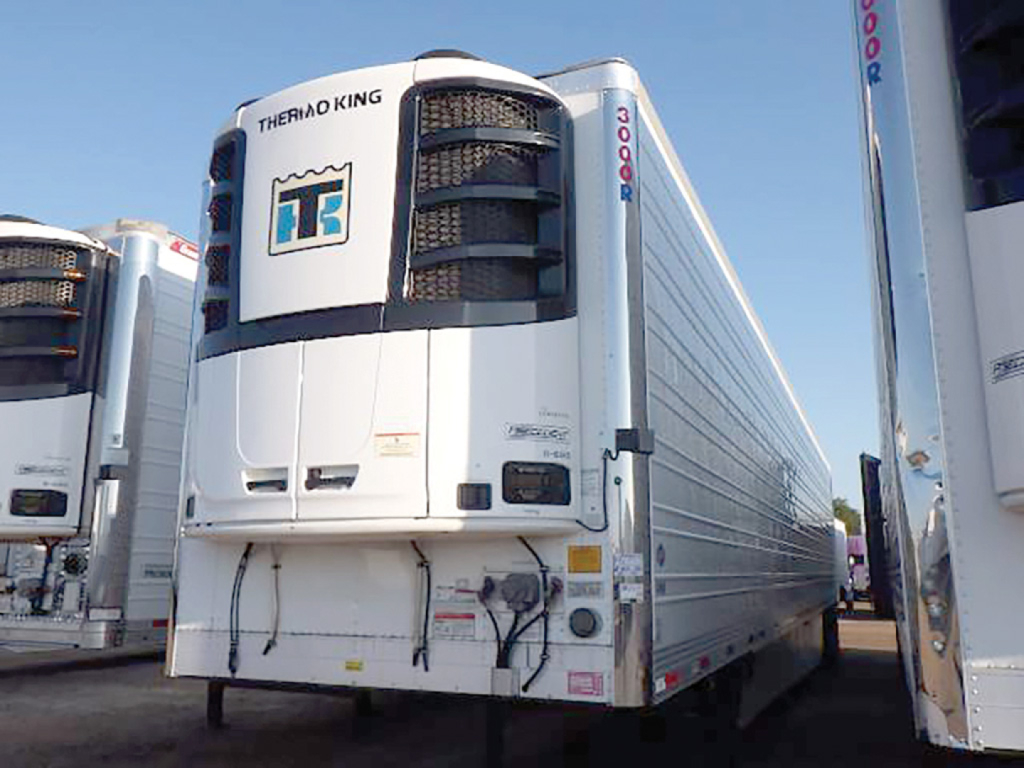
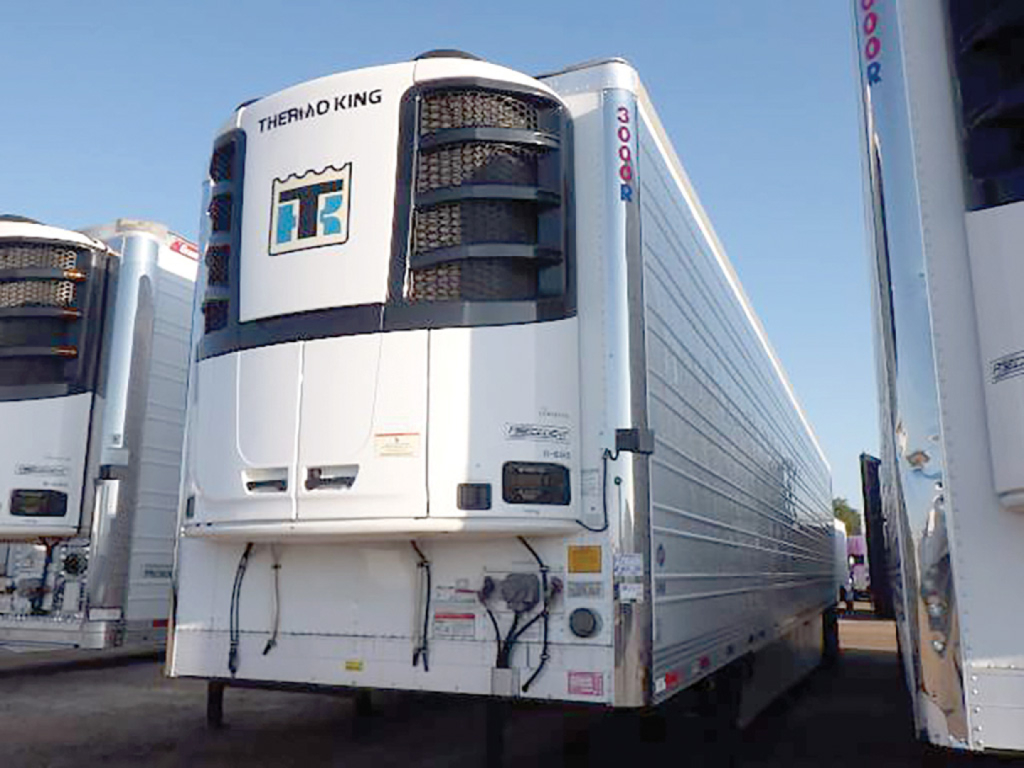
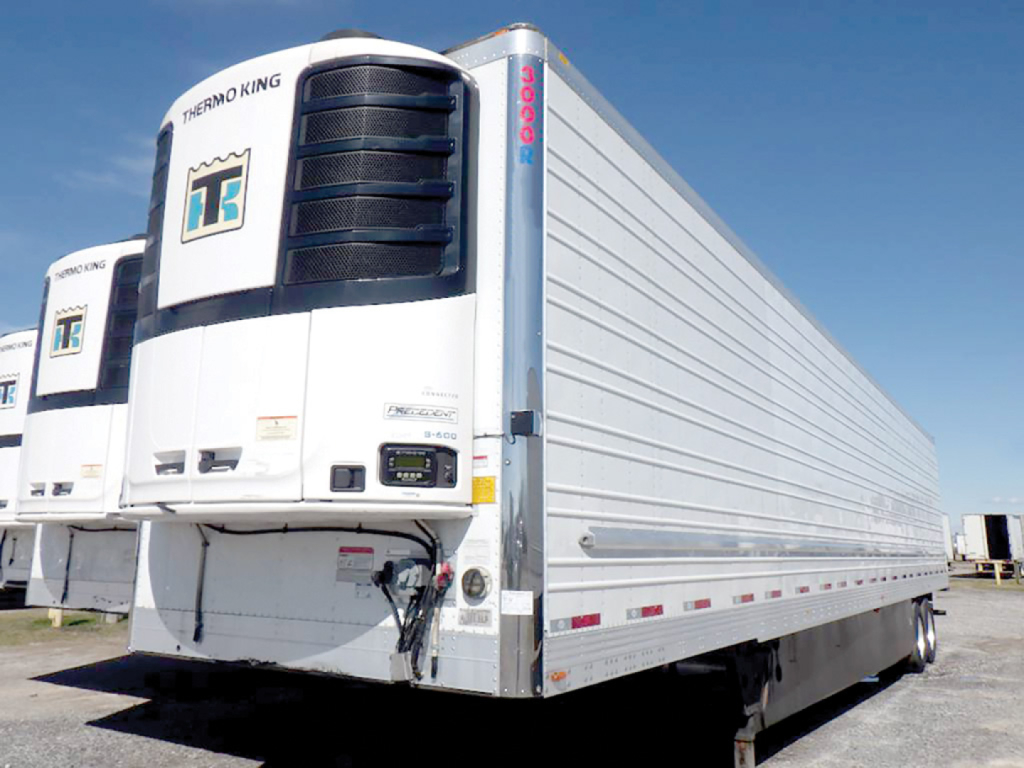
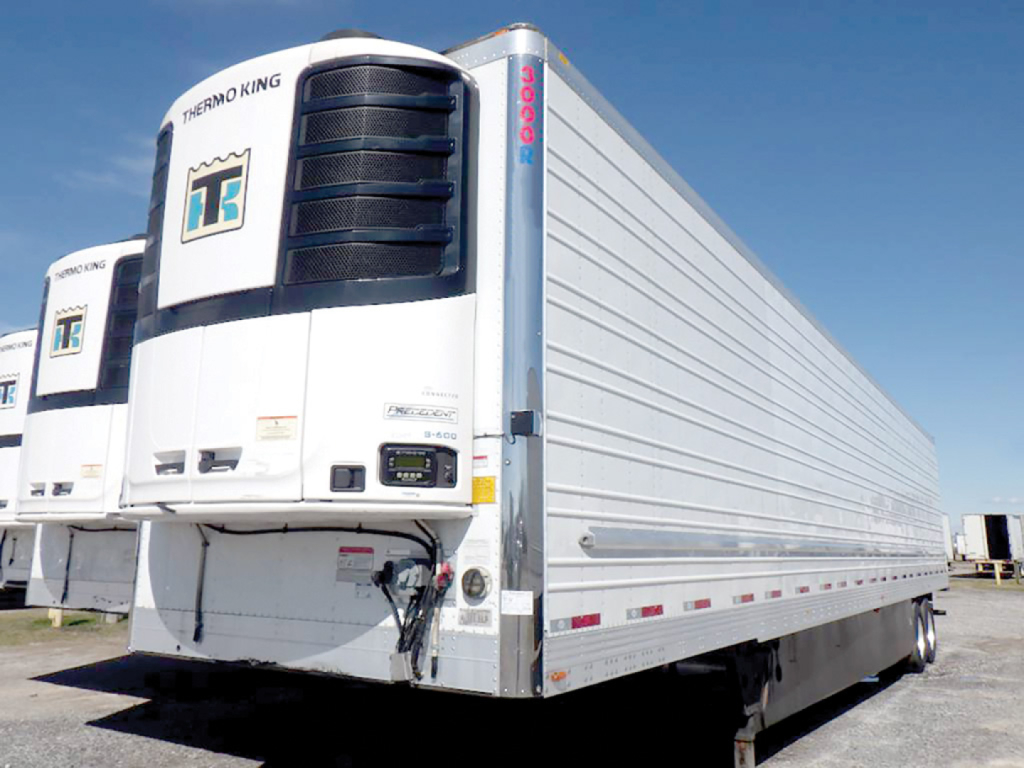
Showing 61 to 72 of 100 results
Have trailer to sell? List it here to reach thousands of buyers.
About Trailers Near Pekin, Illinois
The most common over-the-road specs in this category are 48-foot and 53-foot lengths, 102-inch width, and 13-foot 6-inch overall height. Many buyers look first at suspension and axle layout because they directly affect ride quality, dock compatibility, and bridge-law flexibility. Air ride suspension and sliding tandems are common on van and reefer trailers because they help protect freight and make axle positioning easier for scaling and loading. Tire size, wheel type, brake specification, and floor construction also matter. Wood floors remain common in vans and some curtainsides for forklift traffic and repair simplicity, while aluminum duct floors are standard on many reefers to support airflow under the load. Disc brakes, low-profile 22.5 tires, and tire inflation systems can also reduce maintenance headaches and improve stopping performance.
Reefer buyers should pay close attention to the refrigeration unit, insulation condition, door seals, interior lining, and airflow management. Units from Carrier and Thermo King dominate this segment, and the right choice depends on service network, parts access, and the temperature range your lanes require. Features like cold chutes, rear vents, stainless steel rear frames, scuff liners, and logistics posts can make a measurable difference in cargo protection and loading efficiency. Dry van buyers often focus on scuff plates, swing or roll door condition, logistics track layout, roof integrity, and signs of sidewall or floor damage from forklift use. Curtainside buyers need to inspect curtain condition, buckles, track hardware, roof bows, winch tracks, D-rings, and the frame for signs of hard securement use or side-loading damage.
A good trailer purchase starts with matching the trailer to the freight, not just the price tag. Heavy dense freight may favor a lighter-spec van or reefer to preserve payload, while high-cube retail freight puts more value on interior condition and cubic capacity. Regional fleets working tight docks may prioritize swing door alignment, tandem slide function, and overall maneuverability. Buyers running long highway miles may put more weight on side skirts, tire systems, and aerodynamic packages. In any trailer category, check the VIN plate, current DOT inspection status, tire date codes, brake wear, floor life, and any signs of frame repairs or corrosion, especially around crossmembers, rear impact guard, and suspension mounting points.
Frequently Asked Questions
What type of trailer is best for general freight?
A dry van trailer is the standard choice for general freight because it protects cargo from weather, secures palletized loads, and works well at most docks. A 53-foot van with 102-inch width, air ride suspension, and sliding tandems is common for retail, packaged goods, and warehouse distribution. Buyers should focus on floor condition, door operation, scuff protection, and logistics track layout if the trailer will see frequent forklift loading.
What should I look for when buying a used reefer trailer?
The most important areas on a used reefer are the refrigeration unit, insulation performance, floor condition, and door seal integrity. Check the reefer engine hours, service records, unit start-up behavior, airflow through the duct floor or chute, and signs of interior damage that could affect temperature hold. Stainless rear frames, scuff liners, and sound swing doors are valuable because they help maintain temperature control and reduce body wear in heavy cycle operations.
How is a curtainside trailer different from a flatbed or dry van?
A curtainside trailer combines weather protection with side-loading access. It works like a covered flatbed in many applications, but the curtain system allows forklifts to load from the side without the cargo being fully exposed in transit. That makes it useful for building materials, packaged industrial freight, and freight that needs quick access but still benefits from enclosure. Buyers should inspect the curtain fabric, buckle system, roof structure, and securement equipment such as winches and D-rings.
Why do sliding tandems matter on a trailer?
Sliding tandems let the axle group move forward or rearward to help balance axle weights, meet bridge laws, and improve dock positioning. They are especially useful in dry van and reefer operations where load patterns change from trip to trip. A trailer with a smooth-operating tandem slide can save time at the scale and reduce loading restrictions, but buyers should inspect the slider rails, locking pins, air system, and signs of excessive wear or rust.
Are disc brakes and tire inflation systems worth having on a trailer?
For many fleets, yes. Disc brakes generally provide stronger and more consistent stopping performance with less fade than traditional drum setups, which can be a real advantage in regional stop-and-go work or heavier gross weights. Tire inflation systems help maintain proper pressure, which can extend tire life, improve fuel economy, and reduce roadside failures. These features add value when uptime, safety, and lower maintenance costs matter more than the lowest initial purchase price.