
Used Peerless Trailers For Sale
Browse used Peerless trailers for sale, including specialized oilfield and industrial trailer chassis built for heavy-duty field service use.
Learn more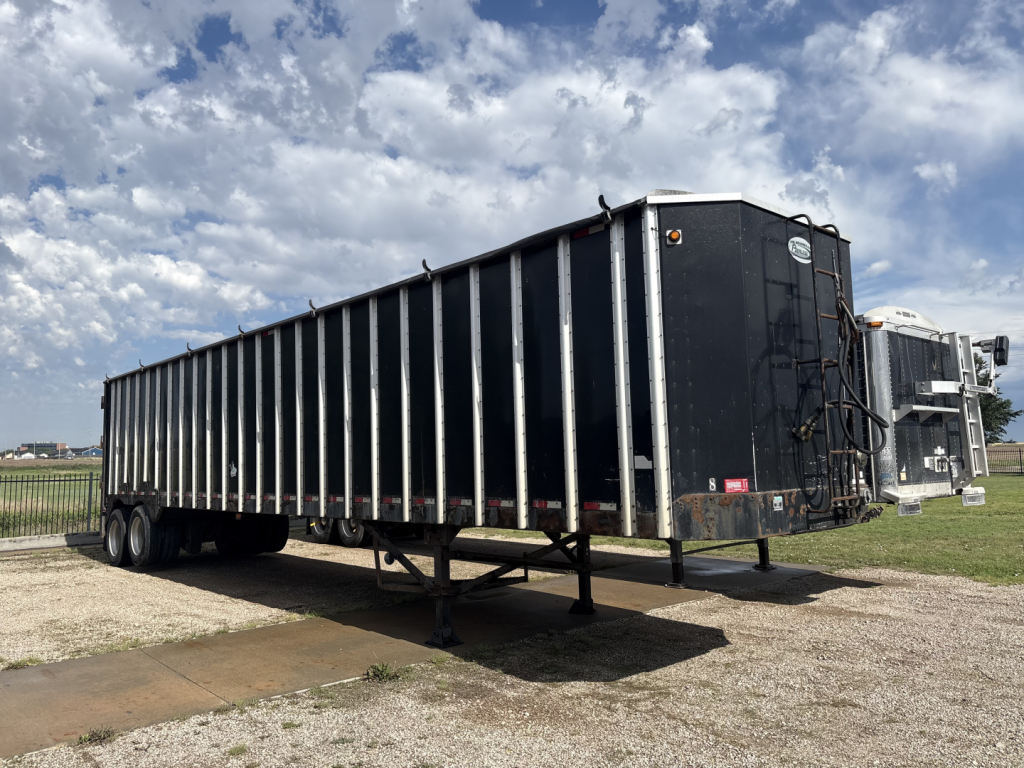

Have used peerless trailer to sell? List it here to reach thousands of buyers.
About Used Peerless Trailers
A lot of Peerless trailers on the secondary market are configured as tridem or other multi-axle chassis for high gross weights and off-highway jobsite use. Frame condition matters more than cosmetics. Buyers should look closely at main rails, crossmembers, suspension hangers, landing gear structure, and any reinforcement around engine mounts, pump saddles, tank cradles, or skid interfaces. If the trailer previously supported a fracking pump, power pack, or similar oilfield package, inspect for cracking, plating repairs, twist, corrosion around mounting points, and signs of concentrated load stress. Axle ratings, suspension type, brake condition, wheel-end service history, and tire match are all critical because these trailers often spend time in severe-duty environments.
Specifications vary widely because many Peerless units were built around a specific application. Common details buyers compare include overall deck or chassis length, number of axles, frame width, kingpin setting if it is a tractor-pulled configuration, hydraulic or spring suspension, and whether the trailer includes usable support equipment such as radiators, coolers, fuel tanks, piping, hose trays, or electrical systems. In some cases, the mounted production equipment has been removed and the remaining trailer is being evaluated strictly as a chassis. That can still be valuable, but buyers should confirm how much fabrication would be required to repurpose it and whether registration, VIN documentation, lighting, brakes, and DOT compliance items are intact.
The best used Peerless trailer purchase is one that matches the exact duty cycle. A field-service trailer for oil and gas work has different priorities than a chassis being converted for custom industrial transport. Check legal weight distribution, axle spacing, neck design, deck layout, and clearance for the route and jurisdiction where it will run. If the trailer will remain in energy service, condition of fluid systems, mounting structure, and power-package integration may matter as much as the trailer itself. If it will be converted, focus on frame integrity, remaining component value, and how easily the platform can be rebuilt for the next application.
Frequently Asked Questions
What are used Peerless trailers commonly used for?
Used Peerless trailers are commonly found in specialized service roles such as oilfield pumping, industrial equipment transport, power-unit mounting, and custom heavy-duty field applications. Many are not standard freight trailers. They are built as equipment chassis, which means the trailer frame, axle group, and support systems are designed around a specific mounted package or process unit.
What should I inspect first on a used Peerless trailer?
Start with the frame and mounting structure. Check the main rails, crossmembers, suspension attachment points, neck area, and any reinforced sections where heavy equipment was mounted. On specialty trailers, stress damage around pump mounts, tank saddles, or engine bases can be more important than ordinary wear items. After that, verify axle ratings, brake condition, tires, wheel ends, lighting, and VIN or title documentation.
Can a used Peerless trailer be repurposed after the original equipment has been removed?
Yes, many can be repurposed, but the value depends on how the chassis was originally configured and how much fabrication is needed. A trailer that once carried a pump package or industrial system may still have a strong frame and useful running gear, but buyers should account for removal scars, custom mounts, plumbing remnants, weight distribution, and any compliance work needed before it can return to service in a different role.
Are Peerless trailers usually legal for standard over-the-road hauling?
Not always. Some Peerless trailers are fully road-going tractor-pulled units, while others are intended for restricted routes, oilfield service, or specialized heavy-haul conditions. Buyers should verify axle spacing, overall dimensions, brake and lighting compliance, kingpin setup, registration status, and whether the trailer can meet DOT requirements for the roads and states or provinces where it will operate.
Why do axle count and suspension type matter on a used Peerless trailer?
Axle count and suspension type determine how the trailer carries concentrated loads and how well it handles rough jobsite conditions. Tridem and other multi-axle setups are common on heavy specialty trailers because they spread weight and improve stability. Suspension choice affects ride, durability, serviceability, and load protection, especially when the trailer supports high-value equipment or operates on uneven lease roads and industrial sites.