
Open Top Trailers For Sale
Open top trailers for bulk, scrap, and top-load freight. Compare lengths, tarp systems, side construction, suspension, and floor specs.
Learn moreNo exact matches found for your search
Showing Trailers instead.
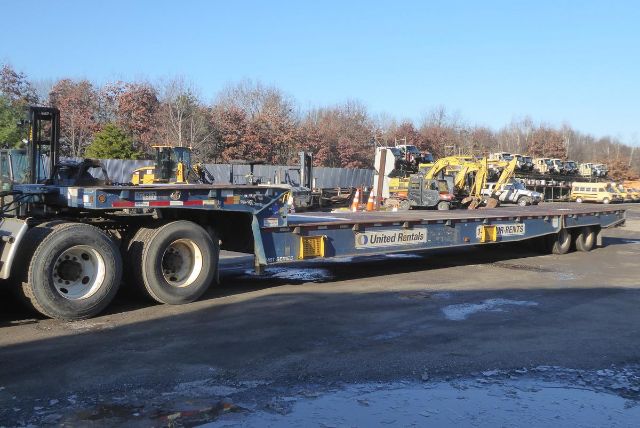
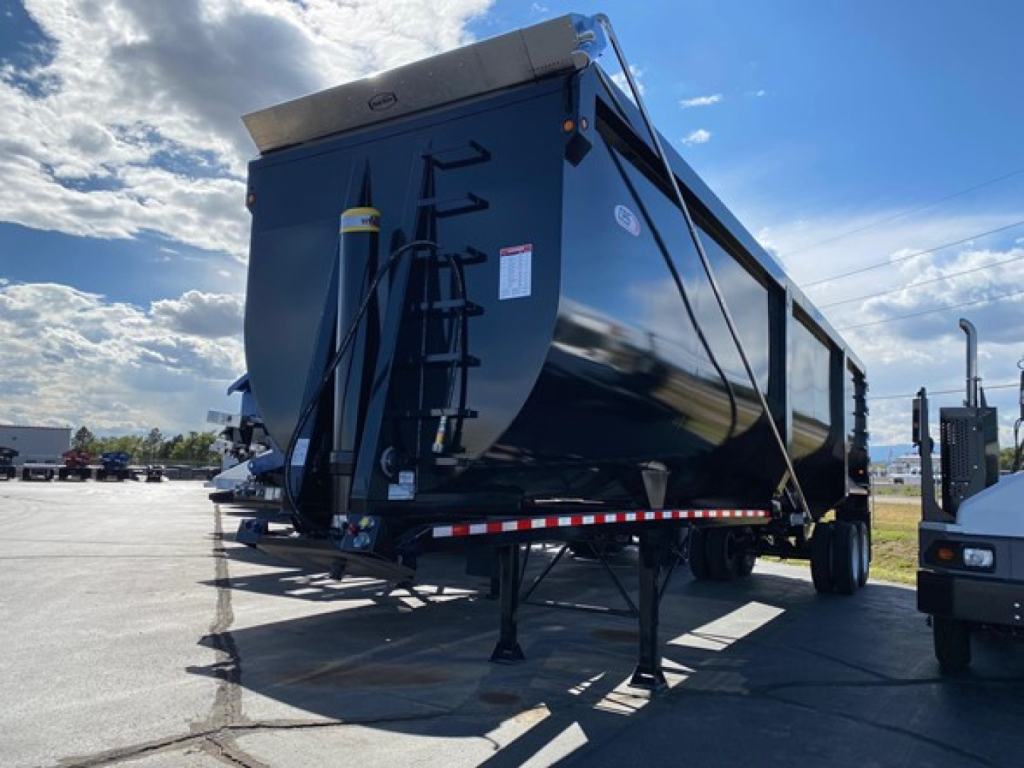
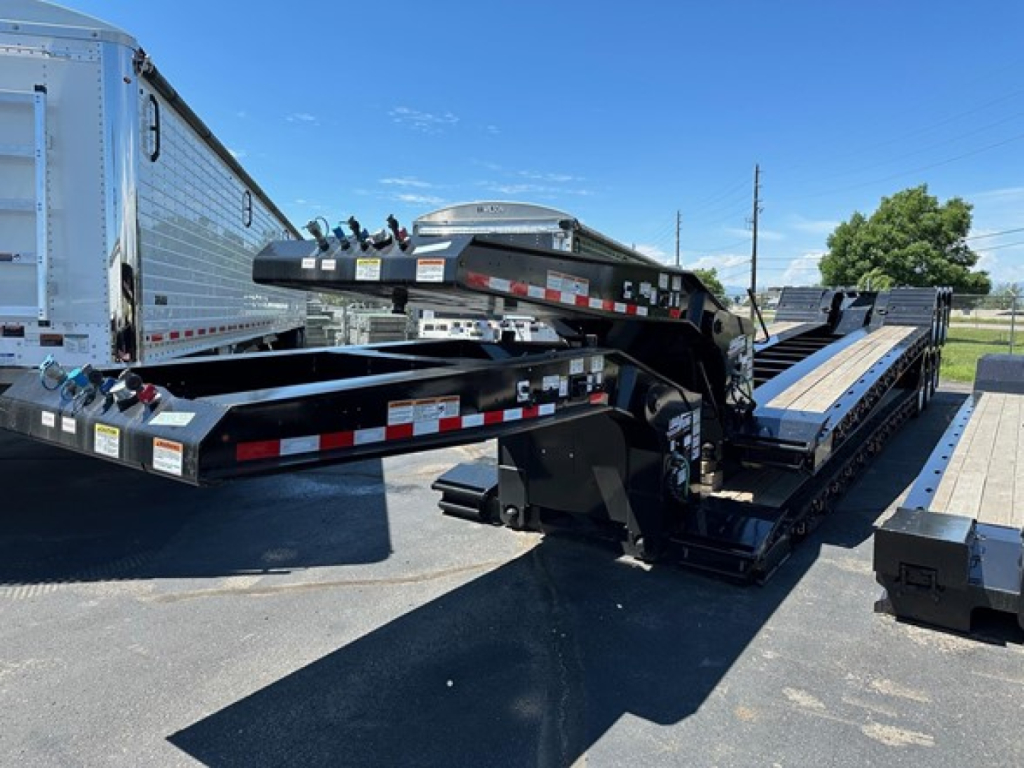
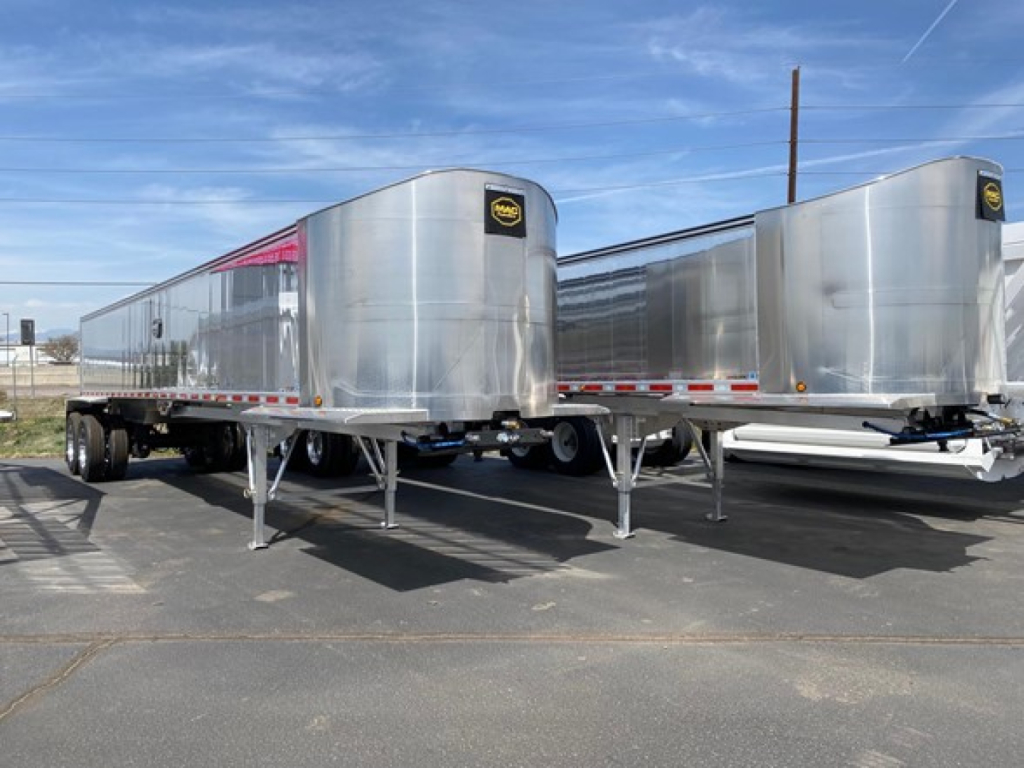
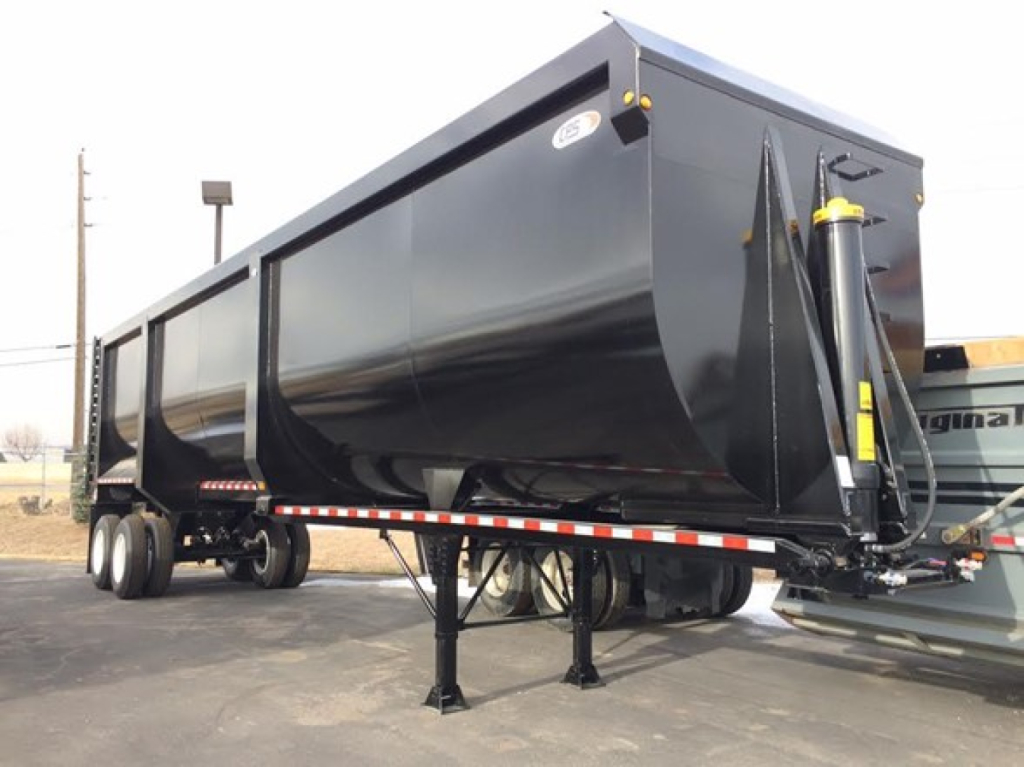
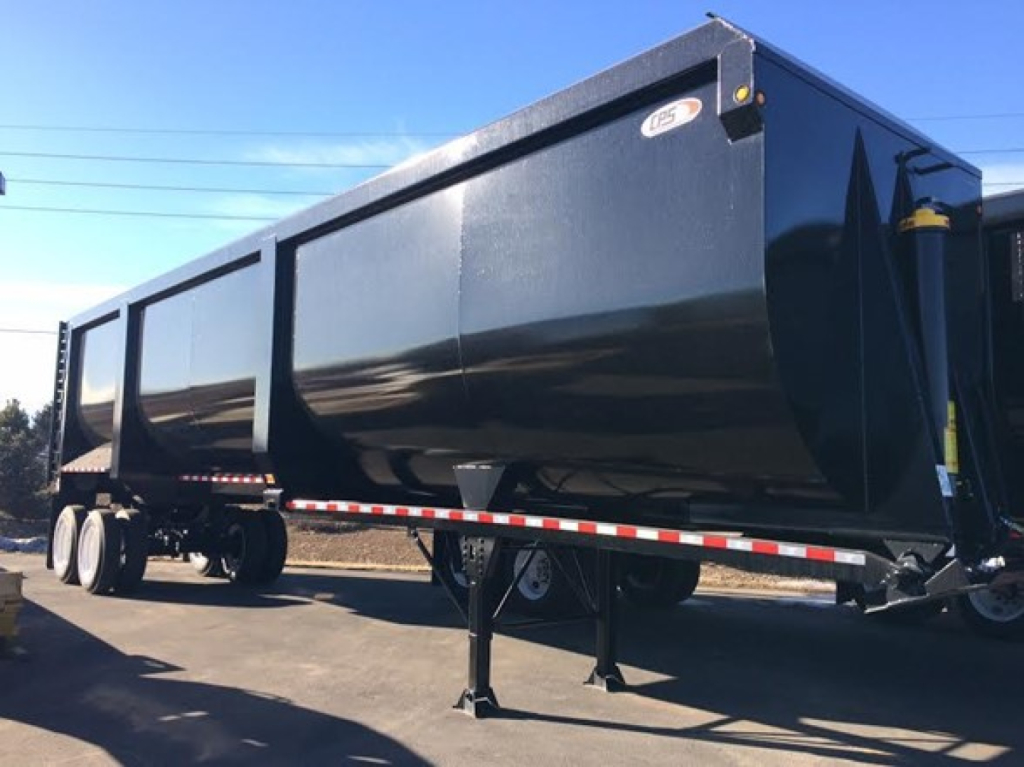
Showing 2,569 to 2,580 of 2,702 results
Have open top trailer to sell? List it here to reach thousands of buyers.
About Open Top Trailers
A buyer should focus first on body construction and loading environment. Stainless steel and aluminum sidewall designs are both common, with stainless favored for durability in abrasive scrap and recycling work, while aluminum can reduce tare weight and help payload. Inside height to the top rail matters if your operation depends on volume, especially on 48-foot and 53-foot trailers. Post spacing, side lining, nose lining, and scuff protection are important in hard-use applications because repeated loading from grapples, forklifts, or loose material can damage interior walls quickly. Wood floors remain common, and crossmember spacing, threshold plate condition, and rear frame material all deserve close inspection on used open tops.
Tarp design is another major buying decision. A roll tarp or solid tarp must seal reliably, track correctly, and stand up to weather, ultraviolet exposure, and repeated opening cycles. Tarp condition affects both cargo protection and legal compliance, especially when hauling light scrap, municipal material, or loads subject to debris enforcement. Rear swing doors, hinge condition, and door frame alignment matter because these trailers are often loaded heavily and can rack over time. Most open top trailers in this class run tandem axles with air ride suspension, sliding tandems, standard 102-inch width, and common tire sizes such as low-pro 22.5 or 11R22.5. Kingpin setting, landing gear condition, brake life, wheel type, and suspension brand all affect serviceability and compatibility with your fleet.
The right open top trailer depends on what you load and how you load it. Scrap and recycling fleets usually prioritize heavier-duty side construction, stainless rear structures, durable liners, and straightforward tarp serviceability. Operations handling cleaner bulk commodities or lighter top-load freight may put more value on lower empty weight and cubic capacity. Pay close attention to door opening height, inside body dimensions, top rail condition, and any evidence of floor rot, wall bowing, or impact damage around the nose and rear frame. For buyers comparing listings, the best unit is not just the cleanest one on paper. It is the trailer whose structure, tarp system, suspension setup, and body materials match the loading method, commodity, and abuse level of the job.
Frequently Asked Questions
What is an open top trailer used for?
An open top trailer is used for freight that is loaded from above rather than strictly through the rear doors. Common applications include scrap metal, recyclables, plastic, demolition material, agricultural products, and awkward freight that is easier to load by crane, conveyor, or grapple. The enclosed sidewalls help contain the load, while the tarp system provides weather protection and reduces material loss in transit.
What should I inspect first on a used open top trailer?
Start with the tarp system, roof opening rails, rear doors, floor condition, and sidewall integrity. Then inspect crossmembers, landing gear, kingpin area, slider assembly, suspension, brakes, and wheel ends. On open top trailers used in scrap or recycling service, look closely for bowed walls, damaged liners, floor wear, rear frame fatigue, and signs of impact from top-loading equipment. Structural condition is usually more important than cosmetic appearance.
Are aluminum or stainless steel open top trailers better?
Neither is automatically better. Aluminum bodies typically save weight and can improve payload, which matters in volume-sensitive or lighter commodity applications. Stainless steel bodies generally hold up better in abrasive, corrosive, and high-impact environments such as scrap hauling. The better choice depends on commodity, loading method, expected abuse, and how important tare weight is in your operation.
Do open top trailers usually have sliding tandems and air ride suspension?
Many do. Tandem axles, air ride suspension, and 49-inch sliding tandem setups are common because they provide load flexibility, ride quality, and easier axle weight adjustment. That said, exact suspension brand, axle placement, and wheel-tire configuration vary by build and age. Buyers should confirm that the slider functions correctly and that suspension components have not developed wear from heavy or uneven loading.
How important is inside height on an open top trailer?
Inside height is very important because it directly affects cubic capacity and loading clearance from the floor to the top rail. A trailer with more internal height may carry more volume, but that advantage only matters if the commodity cubes out before it weighs out and if the loading method can use the available opening efficiently. Buyers should compare inside height, door opening height, and overall legal operating height together rather than looking at one dimension in isolation.