
Trailers For Sale in Mississippi
Shop trailers for sale in Mississippi, including dry vans and reefers with common specs, suspension, door, floor, and reefer unit options.
Learn moreNo exact matches found for your search
Showing Trailers instead.
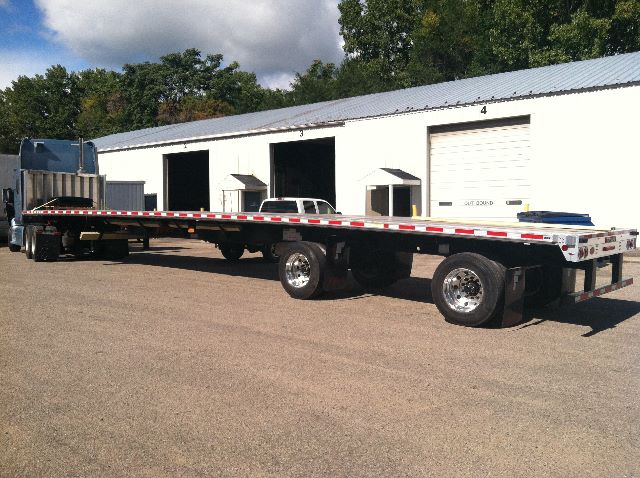
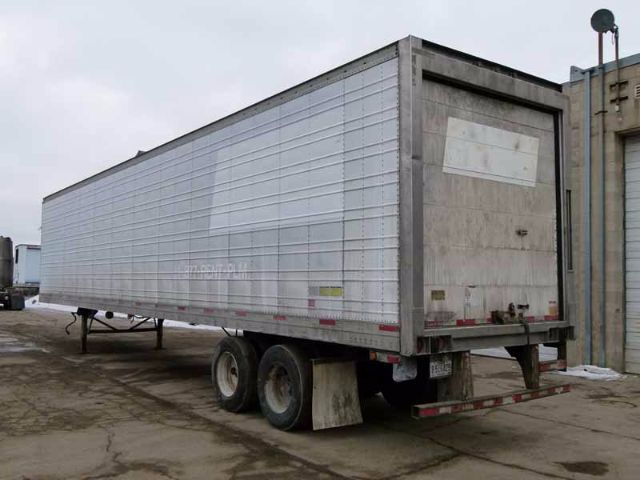
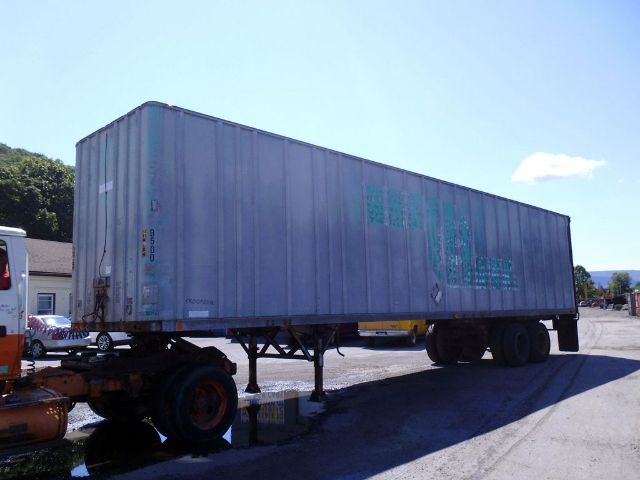
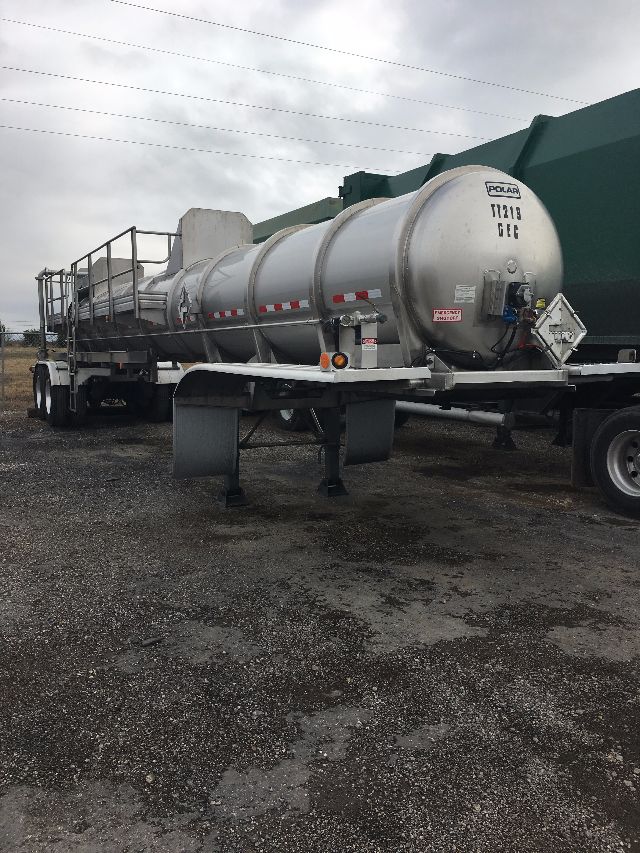
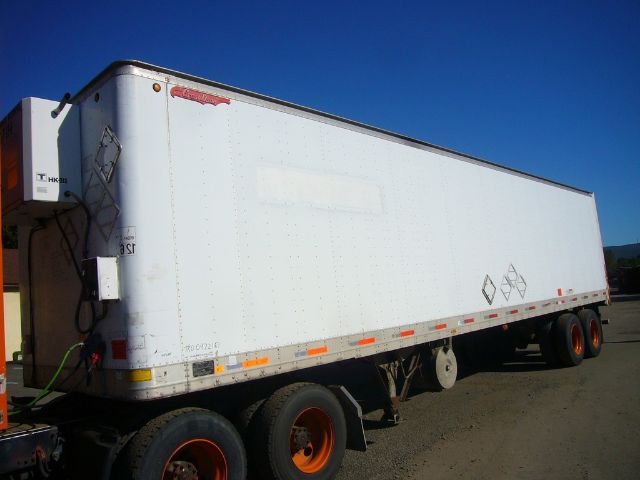
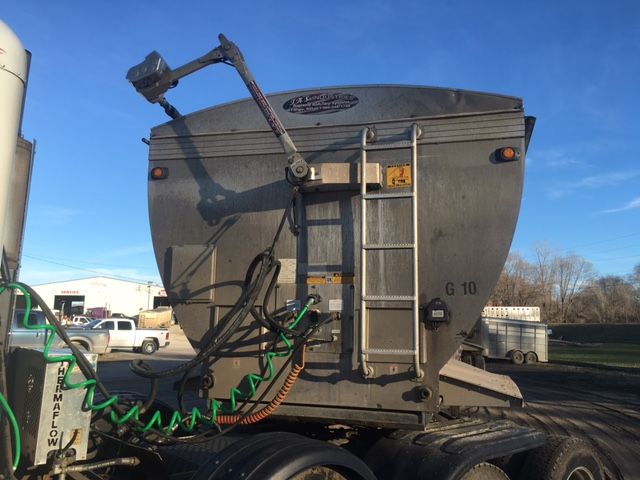

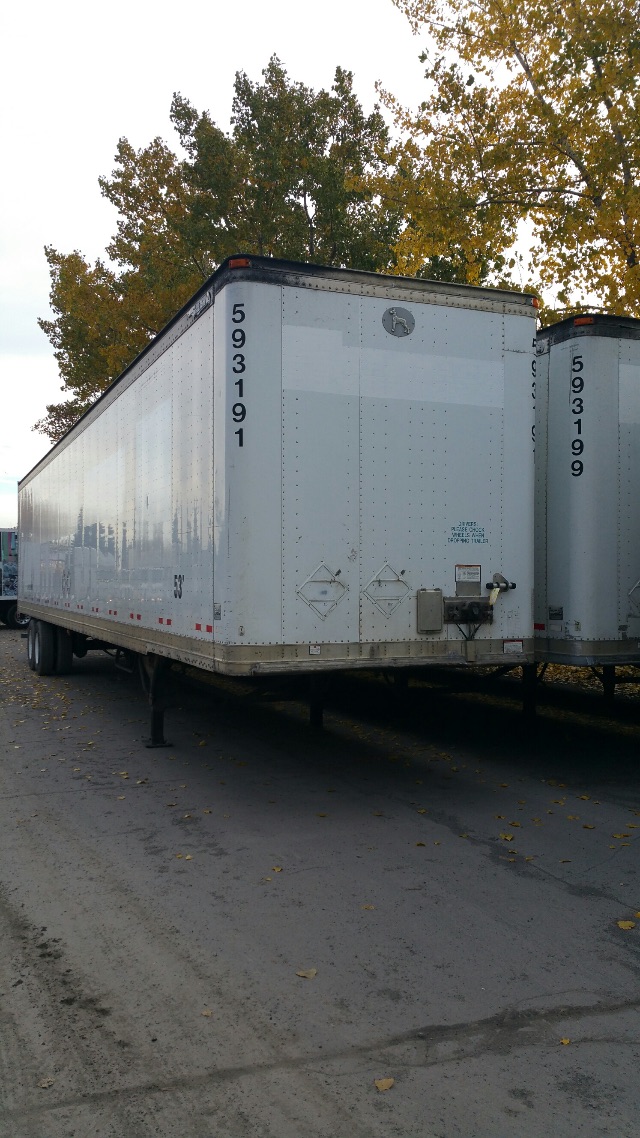
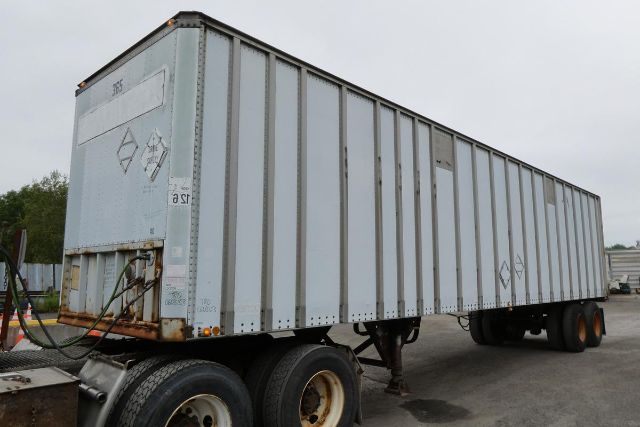
Showing 2,569 to 2,580 of 2,585 results
Have trailer to sell? List it here to reach thousands of buyers.
About Trailers in Mississippi
For refrigerated trailers, also known as reefers, the buying decision goes beyond the box itself. Reefer unit brand and model, hours, service history, insulation condition, duct floor design, cold chute setup, and door seal integrity all affect temperature performance and operating cost. Mississippi operators hauling produce, frozen food, poultry, dairy, or pharmaceuticals need to pay close attention to interior height, floor condition, and air circulation design because those details influence pull-down time and temperature consistency. Stainless front radius panels, stainless door frames, and quilted or sealed rear doors can improve durability in wet, washdown-heavy service.
Suspension, axle position, and wheel-end spec are just as important as body construction. Air ride suspension remains a common choice for ride quality and cargo protection, especially on van and reefer trailers handling palletized freight. Sliding tandems help with bridge compliance, weight distribution, and dock maneuvering, while tire inflation systems can reduce downtime and irregular tire wear. Buyers should also compare brake type, wheel material, low-profile versus standard tire setups, and any lift axle configuration if the trailer was built for specific payload or regional routing demands.
The best trailer choice depends on freight type, loading pattern, and how hard the trailer will be worked. A dry van built with plywood or aluminum lining, threshold protection, and strong logistics equipment may be the right fit for retail, packaged goods, or dedicated contract freight. A reefer with a proven Carrier or Thermo King unit, heavy-duty duct floor, and solid insulation package is better suited for strict temperature-controlled freight. On used trailers, condition matters more than model year alone. Floor wear, roof repairs, rear frame condition, crossmember integrity, suspension bushing wear, and signs of water intrusion will tell you more about remaining service life than paint or decals.
Frequently Asked Questions
What should I look for first when buying a used trailer in Mississippi?
Start with the trailer type that matches the freight. Dry van buyers should inspect the floor, roof, rear frame, sidewalls, logistics tracks, and door operation. Reefer buyers should add a close review of the refrigeration unit, operating hours, service records, insulation condition, duct floor, and door seals. In Mississippi, heat and humidity make water intrusion, floor rot, and seal condition especially important on used trailers.
What is the difference between a dry van trailer and a reefer trailer?
A dry van trailer is designed for non-temperature-controlled freight such as consumer goods, paper products, and packaged freight. A reefer trailer is insulated and equipped with a refrigeration unit to maintain specific cargo temperatures for food, beverage, medical, or other sensitive loads. Reefer trailers typically cost more to buy and maintain because the unit, fuel system, insulation, and airflow components all add complexity.
Are 48-foot or 53-foot trailers better for most fleets?
A 53-foot trailer is the standard choice for maximizing cubic capacity in many van and reefer operations. It works well for palletized freight, long-haul lanes, and dedicated contract work. A 48-foot trailer can still be a strong fit for fleets with tighter delivery environments, older dock layouts, or lane restrictions where a shorter trailer improves maneuverability. The better choice depends on the freight cube, route profile, and customer requirements.
Why do sliding tandems matter on van and reefer trailers?
Sliding tandems let the operator shift axle position to help with bridge law compliance, weight distribution, and turning characteristics. That flexibility is important when freight is loaded unevenly or when state bridge formulas and customer dock conditions vary from load to load. A trailer with a properly functioning sliding tandem setup can be easier to scale legally and more adaptable across different lanes.
How important are trailer features like scuff liners, E-track, and tire inflation systems?
These features directly affect daily usability and long-term operating cost. Scuff liners and threshold plates protect the trailer body from forklift and pallet damage. E-track or logistics posts improve load securement flexibility for mixed freight and dedicated lanes. Tire inflation systems help maintain proper tire pressure, which can reduce blowouts, improve tire life, and limit roadside service events. For many buyers, these are not cosmetic options. They are productivity and maintenance features.