
Unknown Lowboy Trailers For Sale in Colorado
Browse lowboy trailers for sale in Colorado. Compare deck height, ton rating, ramp style, axle setup, and dimensions for heavy equipment hauling.
Learn more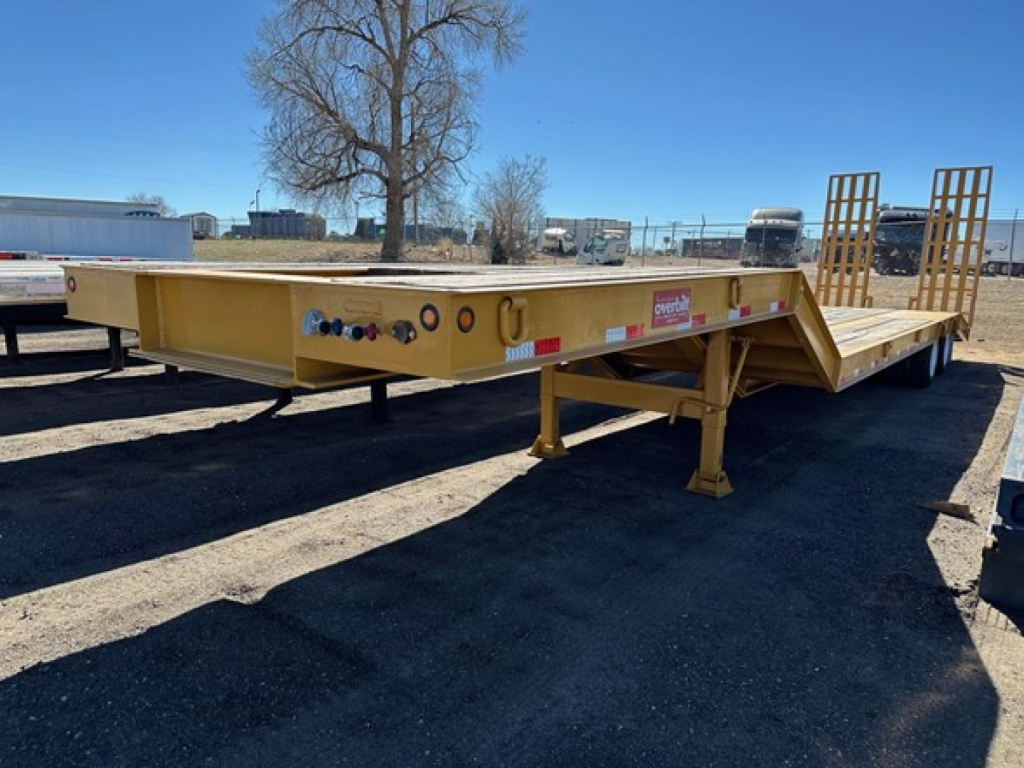
Have unknown lowboy trailer to sell? List it here to reach thousands of buyers.
About Unknown Lowboy Trailers in Colorado
The first specs to compare are capacity, deck length, and ramp configuration. Many lowboy trailers in this class are rated around 20 to 25 tons, but actual usable capacity depends on axle layout, concentrated load rating, and how the machine's weight sits on the deck. Buyers should look closely at lower deck length, overall width, beavertail design, and whether the trailer uses fixed ramps, hydraulic ramps, or hydraulic air ramps. Hydraulic ramp systems can speed up loading and reduce manual effort, especially when moving tracked equipment with frequent load cycles. Deck material also matters. Wood deck sections are common because they offer traction and are easier to replace, while steel frame construction provides the backbone for repeated heavy-duty use.
Suspension and running gear affect both ride quality and maintenance cost. Tandem axle lowboys with spring ride are common in equipment hauling, though some applications call for air ride or heavier multi-axle setups. Tire size, wheel type, brake condition, and kingpin area wear should all be inspected closely on a used trailer. D-rings and other tiedown points need to match the type of machinery being hauled, and buyers should confirm that the trailer's neck style, deck height, and loading angle work with their fleet's tractors and the equipment they move most often. In Colorado, it is also smart to think about seasonal use, traction during loading, and how well the trailer handles uneven jobsite access.
A good lowboy purchase comes down to matching the trailer to the machine, not just buying by ton rating alone. Track width, ground clearance, machine attachment length, and axle weight distribution all matter. A trailer that works well for a compact excavator may be a poor fit for a heavier dozer or a machine with a long stick, bucket, or attachment package. Buyers comparing unknown-brand lowboy trailers should focus less on the badge and more on frame condition, weld quality, ramp operation, brake and electrical function, deck wear, and how the trailer is configured for the work. The right lowboy should load safely, carry the machine low and stable, and hold up under repeated equipment moves on pavement, gravel, and jobsites.
Frequently Asked Questions
What is a lowboy trailer used for?
A lowboy trailer is used to haul heavy equipment and oversized machinery that needs a lower deck height than a standard flatbed or equipment trailer can provide. Common loads include excavators, bulldozers, wheel loaders, skid steers, pavers, rollers, and other construction or agricultural machines. The lowered deck helps keep overall loaded height within legal limits and improves stability during transport.
How do I choose the right lowboy trailer capacity?
Start with the actual operating weight of the heaviest machine you plan to haul, then account for attachments, buckets, blades, fuel, and any extra tools carried on the deck. Capacity should also be matched to axle configuration, concentrated load rating, and how the machine's weight is distributed across the trailer. A 20 ton or 25 ton rating may be adequate for many machines, but the trailer still has to support the load safely based on deck design and axle placement.
Are hydraulic ramps better than fixed ramps on a lowboy?
Hydraulic ramps reduce manual handling and can make loading faster and more consistent, especially for fleets that load equipment every day. They are useful when moving tracked machines or heavier units that benefit from a controlled loading angle. Fixed ramps are simpler and may cost less to maintain, but they can require more effort and may be less convenient in high-cycle operations.
What should I inspect on a used lowboy trailer?
Inspect the frame for cracks, poor weld repairs, rust scaling, and signs of overloading. Check the deck condition, tiedown points, kingpin area, suspension components, brakes, wiring, lights, tires, and wheel ends. Ramp operation is especially important on a lowboy, since bent ramps, weak cylinders, or uneven movement can create loading problems and safety risks.
Why is deck height so important on a lowboy trailer?
Deck height directly affects legal load height, center of gravity, and route flexibility. A lower deck allows taller equipment to be hauled without exceeding clearance restrictions, and it can improve handling by keeping the machine's weight lower during transport. For buyers moving construction equipment in areas with bridges, mountain roads, or strict permit requirements, deck height is one of the most important specs on the trailer.