
Trail King Lowboy Trailers For Sale in Kentucky
Browse Trail King lowboy trailers for sale in Kentucky. Compare deck length, axle setup, capacity, and detach style for heavy haul work.
Learn more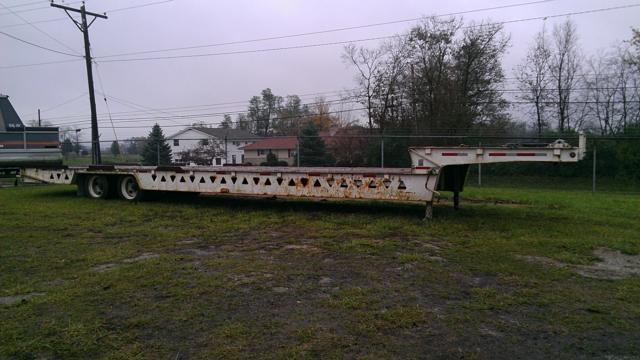
Have trail king lowboy trailer to sell? List it here to reach thousands of buyers.
About Trail King Lowboy Trailers in Kentucky
The first buying decision is usually capacity and axle configuration. Trail King lowboys are commonly found in tag axle, tandem axle, tri-axle, and larger multi-axle setups, depending on the weight class and permit requirements. Buyers should look closely at the trailer's rated payload, axle spacing, suspension type, frame design, and whether the unit is intended for general equipment moves or more specialized heavy haul work. Deck length, loaded deck height, and well width all affect what equipment will fit without creating clearance issues. A detachable gooseneck, often called a DGN or RGN depending on style, can make loading tracked equipment much easier than fixed-neck designs, especially when low ground-clearance machines need a shallow loading angle.
Construction details matter on used lowboys because these trailers spend their lives under high stress. Pay attention to the condition of the main beams, crossmembers, neck area, outriggers, deck plating, and any signs of prior frame repair. On Trail King models, buyers often compare steel versus aluminum components, apitong or hardwood deck condition, ramp or neck connection wear, and axle, brake, and tire history. In Kentucky, road conditions, seasonal moisture, and jobsite exposure make rust, wiring integrity, air system condition, and brake performance worth a careful inspection. Suspension type, ride height control, and tire inflation systems can also affect operating cost and how well the trailer handles uneven surfaces and changing loads.
A good Trail King lowboy spec matches the machines being moved most often, not just the heaviest move of the year. Check deck length ahead of and behind the axles, kingpin setting, overall trailer length, ground clearance, and compatibility with the tractor that will pull it. If the work includes frequent county-road moves, bridge formula considerations and state permit rules may influence whether a tandem, tri-axle, or jeep-and-booster-capable setup makes more sense. Buyers comparing Trail King lowboy trailers usually focus on legal carrying height, ease of loading, structural condition, and axle layout because those factors determine how useful the trailer will be in real-world heavy equipment service.
Frequently Asked Questions
What is a Trail King lowboy trailer typically used for?
A Trail King lowboy trailer is typically used to haul heavy equipment that would ride too tall on a standard flatbed or equipment trailer. Common loads include excavators, bulldozers, wheel loaders, skid steers, pavers, rollers, and other construction or agricultural machines. The low deck height helps reduce overall transport height, which is critical for legal road movement and route flexibility.
What should I check first on a used Trail King lowboy?
Start with structural condition and capacity. Inspect the main frame, neck connection, crossmembers, deck, outriggers, axles, suspension, brakes, and tires. Look for repairs, cracks, rust scale, uneven tire wear, brake issues, and signs of overloading. On a detachable model, the neck locking mechanism and hydraulic or mechanical connection points deserve close attention because loading reliability depends on them.
How do I choose the right axle setup on a lowboy trailer?
The right axle setup depends on the weight of your equipment, the dimensions of the load, and the permit environment where the trailer will run. Tandem axle lowboys may work for lighter equipment and simpler moves, while tri-axle and larger configurations are better suited for heavier machines and stricter weight distribution requirements. Axle spacing and suspension design also matter because they affect bridge compliance, ride quality, and tire wear.
Why is deck height so important on a lowboy?
Deck height is one of the main reasons to buy a lowboy in the first place. A lower deck reduces the overall loaded height of tall machinery, which helps avoid overheight problems under bridges, utility lines, and other obstacles. It can also reduce permit complications and make route planning easier. Buyers should compare loaded deck height, ground clearance, and loading angle together because lowering the deck too much can create clearance challenges on rough jobsites.
Are detachable gooseneck lowboys better than fixed-neck lowboys?
A detachable gooseneck lowboy is often better for fleets that load tracked or low-clearance equipment frequently because it allows drive-on or back-on loading from the front. That usually improves loading safety and reduces reliance on steep ramps. A fixed-neck design can be simpler and may fit certain operations well, but it is generally less convenient when handling larger machines on a regular basis. The better choice depends on your loading method, equipment mix, and maintenance preferences.