
Rogers Lowboy Trailers For Sale in Pennsylvania
Shop Rogers lowboy trailers for sale in Pennsylvania. Compare detachable gooseneck, axle setups, deck height, capacity, and hauling applications.
Learn more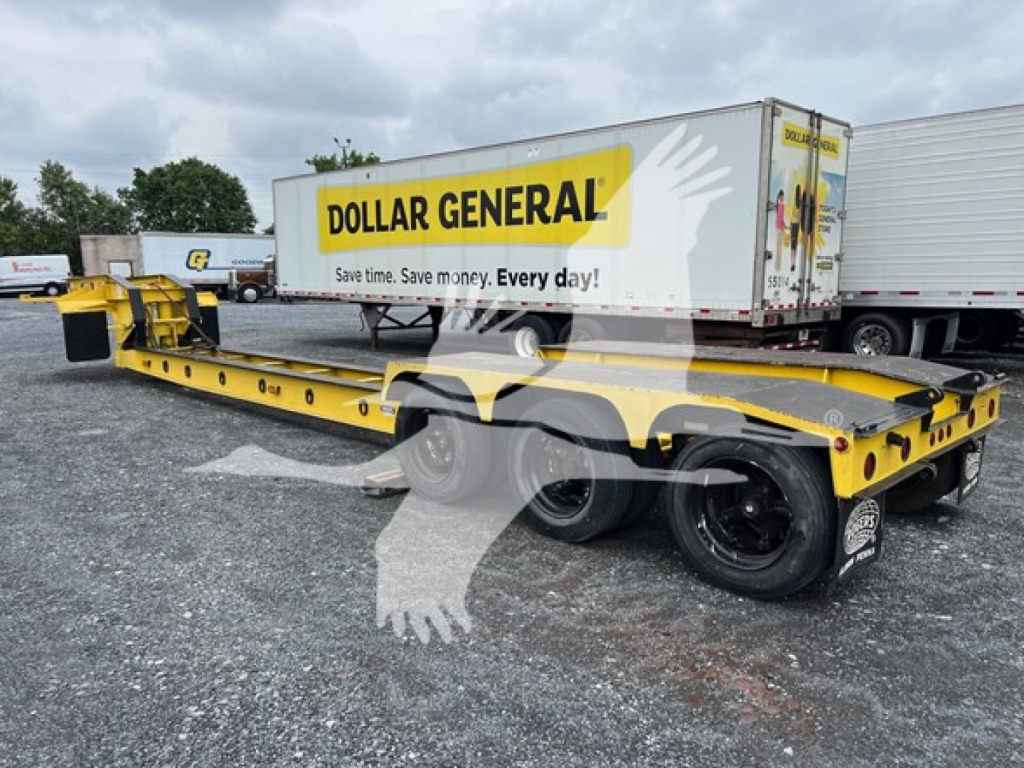
Have rogers lowboy trailer to sell? List it here to reach thousands of buyers.
About Rogers Lowboy Trailers in Pennsylvania
Capacity and deck layout should be the first filters. Rogers lowboy trailers are commonly found in 35 ton, 50 ton, and heavier classes, with axle count and beam design matched to the intended payload. A 50 ton beam trailer, for example, is a practical middle ground for fleets moving mid-size to heavy iron without stepping into a much more specialized multi-axle setup. Main deck length, overall trailer length, loaded deck height, and width all affect what machines fit legally and safely. A low 24-inch deck height can be a major advantage for taller equipment moving under bridges and utility lines, while rear flip axle connections can add flexibility when the job requires more capacity or different weight distribution. Kingpin setting, neck style, and swing clearance also matter if the trailer will be pulled by different road tractors in a mixed fleet.
Suspension, tires, brakes, and tie-down structure deserve close attention on any used Rogers lowboy. Walking beam suspension is valued in rough jobsite conditions because it handles uneven ground well and is relatively simple to maintain. Tire size, remaining tread, brake condition, wheel type, and the condition of lights and wiring all affect operating cost after purchase. D-rings, side rails, and tie-down placement should match the machines being hauled, especially if attachments, buckets, or irregular track widths are part of the load profile. On older trailers, inspect the gooseneck pivot points, hydraulic system, deck crossmembers, frame rails, and the rear transition area for wear, repairs, or fatigue. Pennsylvania buyers should also consider axle spacing, bridge law compliance, and how the trailer will be permitted for overweight or over-dimensional moves within the state and across neighboring regions.
A good Rogers lowboy is less about model year and more about configuration, structural condition, and fit for the equipment you move every week. The right trailer should load your machines cleanly, distribute weight properly, and match the tractor, permits, and route restrictions you deal with in real service. If your work includes frequent detach cycles, short-haul construction support, or movement between quarries, road projects, and excavation sites, Rogers lowboy trailers remain a respected option because they are purpose-built for heavy hauling and easy for experienced operators to work with.
Frequently Asked Questions
What are Rogers lowboy trailers typically used to haul?
Rogers lowboy trailers are commonly used to haul construction and aggregate equipment such as excavators, bulldozers, wheel loaders, pavers, compactors, and other heavy machines that need a low deck height for legal transport. They are also used for hauling attachments, support equipment, and some industrial machinery. Their low profile helps reduce loaded height, which is important when moving taller equipment under bridges, wires, and other clearance restrictions.
Why is a hydraulic detachable gooseneck important on a lowboy trailer?
A hydraulic detachable gooseneck lets the trailer separate at the front so equipment can be driven or winched onto the deck from ground level. That reduces loading angle compared with fixed-neck trailers and makes loading tracked equipment safer and faster. It also helps fleets that load different machine types throughout the week, because operators can detach and reconnect the trailer efficiently without relying on ramps alone.
How do I choose the right capacity for a Rogers lowboy trailer?
Start with the heaviest machine you expect to haul, then account for attachments, fuel, buckets, blades, and any future equipment changes. Trailer capacity must be matched with axle configuration, tire ratings, suspension, and permit requirements, not just the advertised tonnage. A 50 ton lowboy may be suitable for many contractor fleets, but the actual legal payload depends on axle spacing, tractor setup, and the states where the trailer will operate.
What should I inspect on a used Rogers lowboy trailer?
Focus first on structural areas and operating systems. Check the frame rails, crossmembers, deck surface, gooseneck connection points, hydraulic cylinders and lines, suspension components, brake system, axle alignment, tire wear, and all lighting. Inspect D-rings and tie-down points for distortion or cracked welds. On older units, signs of reinforcement, frame repair, or uneven deck wear can tell you a lot about how the trailer was used and whether it has been maintained properly.
Are Rogers lowboy trailers a good fit for Pennsylvania hauling conditions?
They can be a strong fit for Pennsylvania because the state combines highway travel, secondary roads, hills, jobsite mud, and frequent heavy equipment moves tied to construction, paving, utility, and excavation work. Buyers should still verify axle spacing, overall dimensions, and permit strategy for Pennsylvania and nearby states. A trailer that works well on local construction moves may need a different axle or deck configuration if it will regularly handle heavier permitted loads across state lines.