
Load King Lowboy Trailers For Sale in Pennsylvania
Shop Load King lowboy trailers for heavy equipment hauling. Compare deck height, axle setup, capacity, beavertail, and gooseneck specs.
Learn more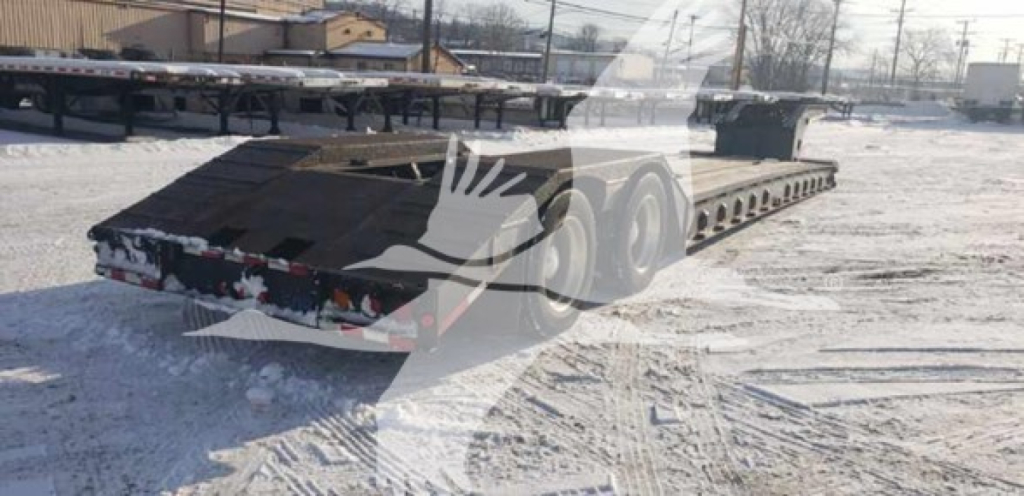
Have load king lowboy trailer to sell? List it here to reach thousands of buyers.
About Load King Lowboy Trailers in Pennsylvania
For buyers comparing Load King lowboys, deck layout is one of the first decisions that affects day-to-day usability. Common details include the top deck length, main well length, loaded deck height, and rear deck or beavertail configuration. A lower main deck helps with height-sensitive loads, but it also changes ramp angle, ground clearance, and approach when loading tracked machines. Pay attention to deck width, side rail construction, outriggers or clip-on outriggers, D-ring placement, and floor material. Wood floors are still common because they are field-serviceable and provide traction, while steel framing and side rails take the abuse from repeated equipment loading. If the trailer has a beavertail, front flip ramps, or swing-up ramps, consider how that setup matches the machines you move most often.
Capacity and running gear matter just as much as deck geometry. Load King lowboy trailers are often spec'd by ton rating, axle count, suspension type, and tire package, with common configurations aimed at contractors, equipment rental fleets, and regional heavy haulers. A 35-ton class trailer, for example, may be well suited for mid-size excavators and crawler loaders, but the real answer depends on axle spacing, concentrated load rating in the well, and local permitting rules. Buyers should also look at air ride versus mechanical suspension, ride height controls, dump valves, brake condition, tire size, wheel material, and kingpin setting. On detach and fixed-neck designs alike, gooseneck ride height and fifth wheel compatibility affect how level the trailer runs behind the tractor and how cleanly weight transfers across the drives.
Used Load King lowboys deserve a close structural inspection before purchase. Focus on neck area stress, frame rail straightness, crossmember condition, suspension hangers, bucket well wear, ramp hinge points, and any evidence of repairs around the rear bogie. Electrical details such as side marker lights, strobes, rear lighting, and modular or auxiliary connections can save time if the trailer is going into permitted or frequent road work service. Buyers operating in Pennsylvania should also think about title status, inspection requirements, brake compliance, and how the trailer's dimensions line up with the routes they actually run. The best lowboy is not just the highest ton rating on paper. It is the trailer whose deck length, well height, axle setup, and loading style match the equipment you haul every week.
Frequently Asked Questions
What is a Load King lowboy trailer best used for?
A Load King lowboy trailer is best used for hauling heavy equipment that is too tall or too heavy for a standard flatbed. Typical loads include excavators, dozers, skid steers, pavers, rollers, and other construction or road-building machines. The dropped deck keeps cargo lower to the ground, which helps with legal height, loading stability, and transport on routes with bridge or clearance restrictions.
How do I choose the right ton rating for a lowboy trailer?
Ton rating should be matched to the actual operating weight of the equipment, not just the machine's brochure weight. Buyers need to consider attachments, counterweights, fuel, concentrated load in the deck well, and how the weight is distributed across the axles. A trailer rated at 35 tons may work well for many contractor applications, but legal hauling also depends on axle spacing, tractor configuration, and state permitting rules.
What should I inspect on a used Load King lowboy?
The most important inspection points are the gooseneck, frame rails, crossmembers, suspension mounts, axle alignment, brake system, and deck condition. Look closely for weld repairs, cracks near high-stress areas, uneven tire wear, worn ramp hinges, and damage from repeated tracked-equipment loading. It is also smart to confirm lighting, air lines, ride height controls, and kingpin area condition before putting the trailer into service.
Is a beavertail lowboy better than a detachable gooseneck?
A beavertail lowboy can be a practical choice for operators loading smaller or mid-size equipment quickly and repeatedly, especially when simplicity and lower maintenance are priorities. A detachable gooseneck is usually better for heavier or lower-clearance machines because it allows drive-on loading from the front and can reduce loading angle issues. The better choice depends on machine type, loading frequency, jobsite conditions, and the tractors in your fleet.
Why does deck height matter on a lowboy trailer?
Deck height directly affects legal loaded height, machine stability, and route flexibility. A lower deck helps keep taller machines under permit or legal limits and usually improves center of gravity during transport. Buyers should balance low deck height against ground clearance, ramp approach, and the kinds of terrain or jobsite entrances the trailer will see.