
Landoll Lowboy Trailers For Sale
Browse Landoll lowboy trailers built for heavy equipment hauling, with hydraulic tilt decks, air ride options, and durable deck configurations.
Learn more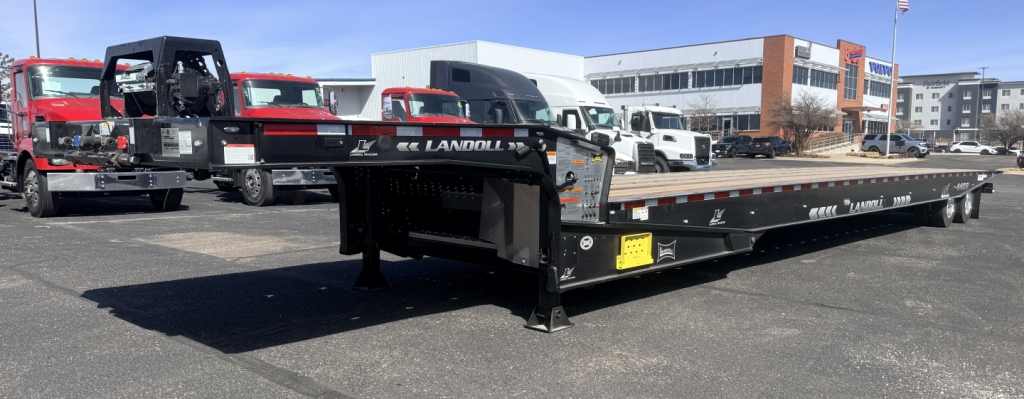
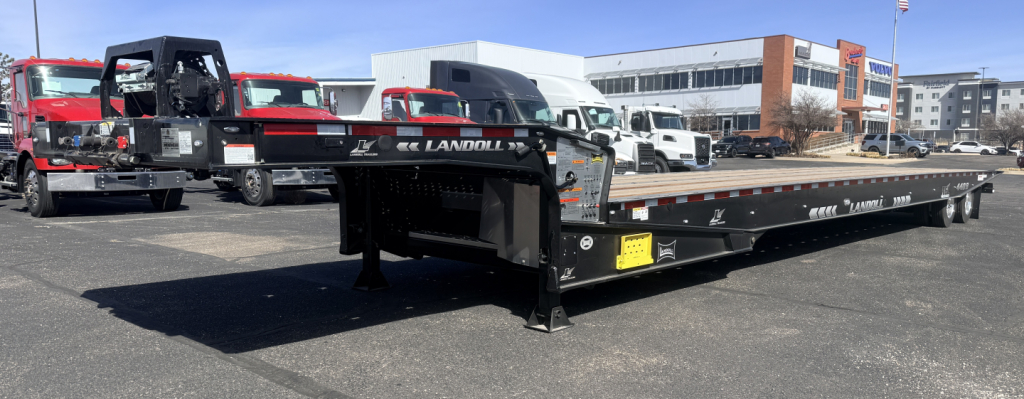
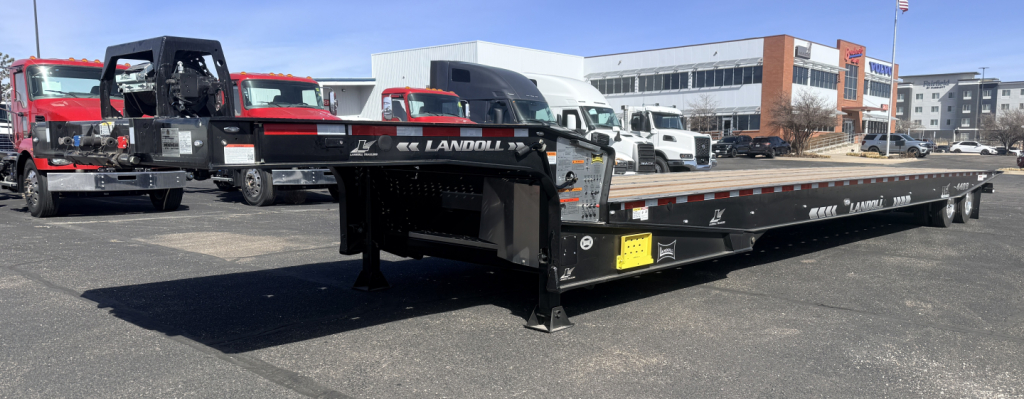
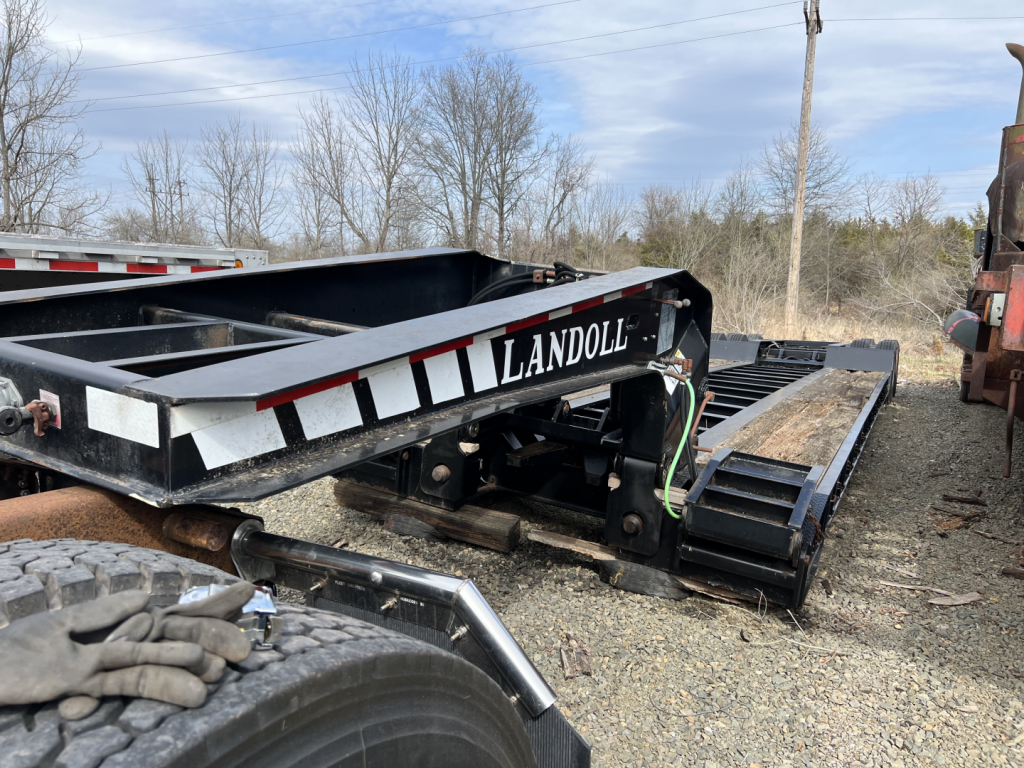
Showing 13 to 19 of 19 results
Have landoll lowboy trailer to sell? List it here to reach thousands of buyers.
About Landoll Lowboy Trailers
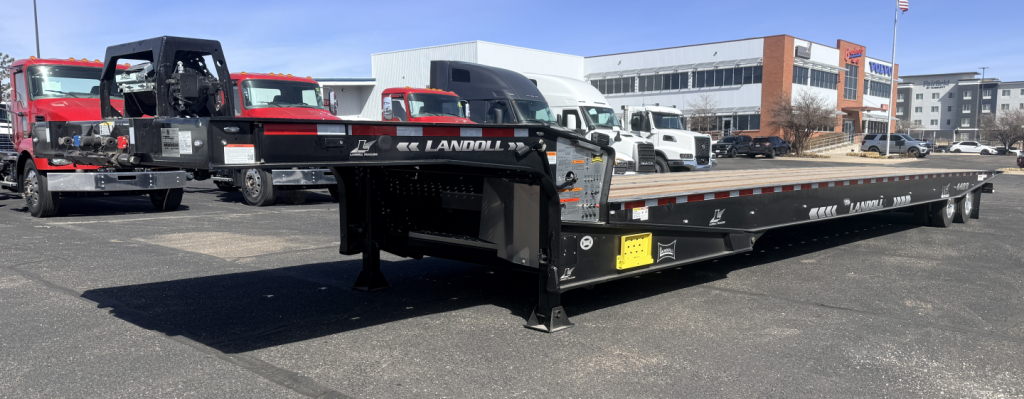
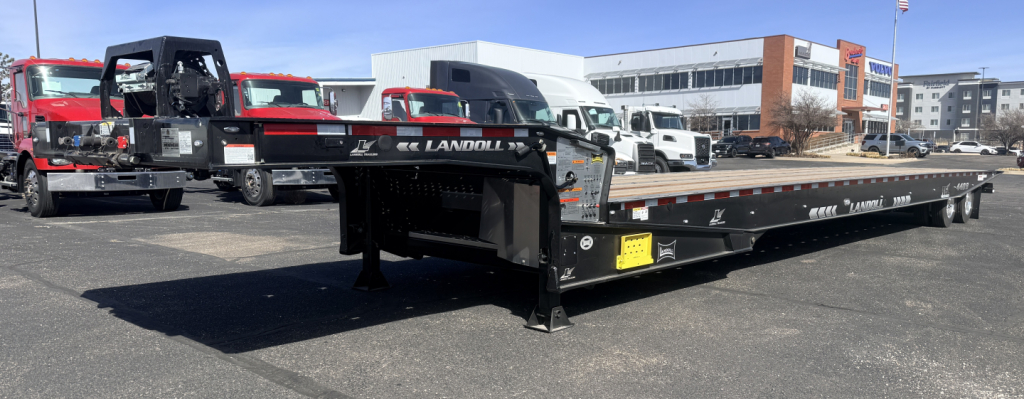
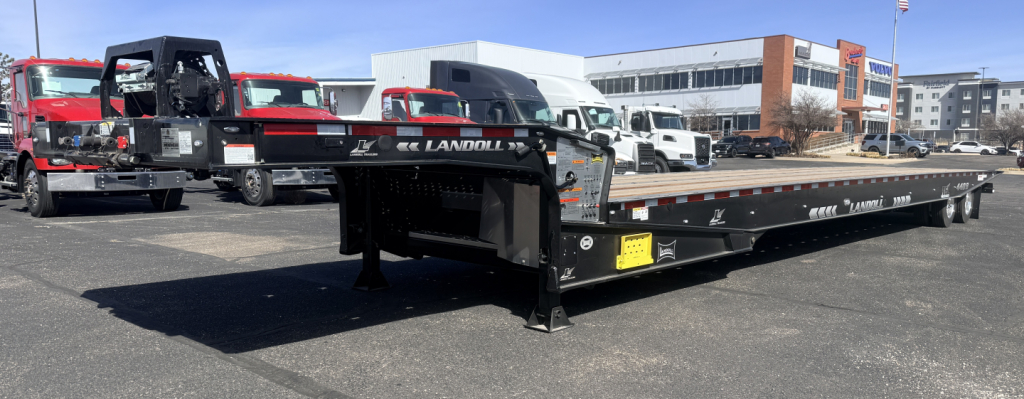
One of the first things to compare on a Landoll lowboy is deck length, overall width, axle configuration, and suspension. Common setups include tandem axle trailers in 102-inch width, often with air ride suspension for better load protection and improved ride quality on mixed road conditions. Buyers should also pay attention to deck material and usable loading surface. Apitong wood decking is common because it holds up well under steel tracks and repeated equipment loading, while outriggers can add flexibility when handling wider machines or attachments. Ramp design, hydraulic tilt function, and load angle matter too, especially if you regularly haul low ground-clearance equipment.
Capacity and legal hauling considerations should drive the buying decision more than model year alone. A well-spec'd Landoll lowboy may include air brake systems, LED lighting, hub-pilot wheels, and tire packages sized for highway durability and serviceability. Suspension components, brakes, tires, deck condition, and hydraulic performance deserve a close inspection because these trailers often work in demanding environments with concentrated point loads. If the trailer has air raise and lower controls or onboard weighing systems such as a scale package, those features can help with both loading precision and axle weight management.
For many fleets, the appeal of a Landoll lowboy is versatility. It can serve as an equipment trailer, a construction trailer, or a machinery hauling trailer across municipal, paving, utility, and agricultural applications. Compared with a fixed deck equipment trailer, a hydraulic Landoll design can cut loading time and reduce the need for extra ramps or specialized loading areas. Buyers comparing listings should focus on real-world fit: machine weight, track or tire footprint, deck height, loading angle, and how often the trailer will be loaded and unloaded in the field. The right Landoll lowboy is the one that matches your heaviest routine load and your most restrictive jobsite conditions without creating avoidable maintenance or permitting issues.
Frequently Asked Questions
What is a Landoll lowboy trailer best used for?
A Landoll lowboy trailer is best used for hauling equipment that needs a low loading angle and fast, frequent loading cycles. Common cargo includes skid steers, forklifts, compact excavators, pavers, rollers, tractors, and other machinery that may be difficult to load on a standard flat deck. The hydraulic tilt or traveling axle design is especially useful for regional equipment moves where jobsite access and turnaround time matter.
How is a Landoll lowboy different from an RGN lowboy?
A Landoll lowboy typically uses a hydraulic tilt deck or traveling axle system instead of a detachable gooseneck. An RGN is often preferred for larger and heavier machines that require very low deck height and maximum capacity. A Landoll is usually chosen for convenience, faster loading, and versatility in day-to-day equipment hauling. It can be a more efficient option when you are moving a variety of machines rather than one oversized load type.
What specs matter most when comparing Landoll lowboy trailers?
The most important specs are deck length, width, rated capacity, axle count, suspension type, deck material, and loading angle. Buyers should also review tire size, brake condition, hydraulic system performance, and whether the trailer has outriggers, ramps, air ride suspension, or weighing systems. These details affect what equipment you can legally and safely haul, how easily you can load it, and how much maintenance the trailer may require over time.
Is air ride suspension worth it on a Landoll lowboy?
Air ride suspension is often worth paying for if you haul equipment that benefits from a smoother ride or if you operate on variable road surfaces. It can help reduce shock transfer to the trailer and cargo, which is valuable for machines with sensitive components or when hauling longer distances. Air ride can also improve ride quality when empty, but buyers should still consider maintenance needs and confirm that the suspension matches the trailer's intended load range.
What should I inspect before buying a used Landoll lowboy trailer?
Inspect the deck structure, wood or steel floor condition, hydraulic components, cylinders, hoses, suspension, brakes, tires, wheel ends, lights, and frame for signs of damage, repair, or corrosion. Pay close attention to crossmembers, load-bearing areas, pivot points, and any evidence of twisting from heavy concentrated loads. If the trailer has a tilt system or traveling axle mechanism, confirm smooth operation under air and hydraulic power. A thorough inspection matters because these trailers are often used hard and wear is not always obvious from appearance alone.