
Lowboy Trailers For Sale in Indiana
Shop lowboy trailers for sale in Indiana. Compare deck height, axle setup, gooseneck style, and capacity for heavy equipment hauling.
Learn moreBrowse Lowboy Trailers by Make
Have lowboy trailer to sell? List it here to reach thousands of buyers.
About Lowboy Trailers in Indiana
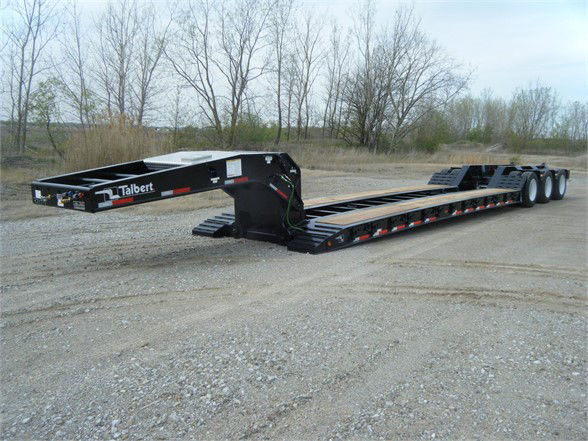
A buyer comparing lowboy trailers should pay close attention to gooseneck type, deck layout, and axle group. Hydraulic detachable gooseneck, often called an RGN or removable gooseneck, is common when self-loading tracked equipment is a priority. Fixed-neck and mechanical detachable designs can work well too, depending on fleet preference and loading routine. Capacity ratings are commonly discussed in tons, such as 35-ton, 50-ton, and 55-ton classes, but the real question is how that rating applies across the deck and in the well. Deck construction also matters. Apitong flooring, steel main beams, open boom wells, close-coupled designs, and tridem or spread axle configurations all affect versatility, service life, and how the trailer handles concentrated loads.
Axle setup is often where one lowboy becomes much more specialized than another. Tandem, tridem, and multi-axle configurations each serve different permit and weight-distribution needs. Air ride suspension is common on higher-spec units because it helps protect cargo and improves ride quality, while tire size, wheel type, and axle spacing influence maintenance cost and state compliance. Some buyers want sliding or variable axle arrangements for flexibility across different loads. Others prioritize a simple, durable frame for dedicated equipment moves. A 102-inch wide trailer is standard in many specs, but deck length, well length, rear bridge measurement, and loaded kingpin setting should all be reviewed before matching a trailer to a tractor and a hauling application.
For heavy haul work, the best lowboy is not just the highest-capacity trailer on paper. It is the one that fits the machine fleet, the route profile, and the permitting environment. Indiana buyers often look for practical combinations that can handle construction, paving, aggregate, utility, and agricultural equipment without creating unnecessary permit headaches. Common options like outriggers, winch tracks, D-rings, traction aids, and deck insert compatibility can add real value if the trailer will see mixed-duty use. A well-matched lowboy trailer improves loading efficiency, keeps overall height under control, and gives a fleet more confidence when moving expensive iron.
Frequently Asked Questions
What is the main advantage of a lowboy trailer compared to a flatbed?
A lowboy trailer carries equipment much lower to the ground than a flatbed, which helps reduce overall loaded height and improve stability. That lower deck height is critical when hauling tall machines such as excavators, dozers, and loaders that could exceed legal height on a standard trailer. It also makes loading heavy tracked equipment safer and more practical, especially when paired with a detachable gooseneck.
What capacity lowboy trailer is best for heavy equipment hauling?
The right capacity depends on the operating weight, track width, axle placement, and length of the equipment being hauled. Common lowboy classes include 35-ton, 50-ton, and 55-ton models, but buyers should not rely on the gross ton rating alone. Load concentration in the well, bridge law requirements, and axle configuration all affect how much equipment the trailer can legally and safely carry.
Why do many buyers choose a hydraulic detachable gooseneck lowboy?
A hydraulic detachable gooseneck allows equipment to be loaded from the front with a gradual approach angle, which is especially useful for tracked machines and low-clearance equipment. It speeds up loading and unloading, reduces dependence on external ramps, and improves convenience in field conditions. For fleets moving a variety of machines, an RGN-style lowboy often provides the best combination of versatility and efficiency.
How important is axle configuration on a lowboy trailer?
Axle configuration is one of the most important buying decisions because it affects weight distribution, permit requirements, turning radius, and tire wear. Tandem axles may suit lighter applications, while tridem and other multi-axle setups are often chosen for heavier or more specialized loads. Buyers should compare axle spacing, suspension type, and bridge measurements carefully to make sure the trailer aligns with both the equipment being hauled and the states where it will operate.
What features should buyers look for on a lowboy trailer used in Indiana?
For Indiana operations, buyers often focus on a combination of legal compliance, roadability, and jobsite practicality. Useful features can include air ride suspension, durable flooring such as Apitong, strong tie-down points, adjustable axle setups, and a deck layout that matches common regional equipment. Because routes may include interstate highways, local roads, and construction entrances, a lowboy with the right well length, deck height, and axle spread can save time on permits and reduce operating headaches.