
Fontaine Lowboy Trailers For Sale in Wyoming
Browse Fontaine lowboy trailers for sale, including detachable gooseneck heavy haul models built for equipment transport and jobsite durability.
Learn more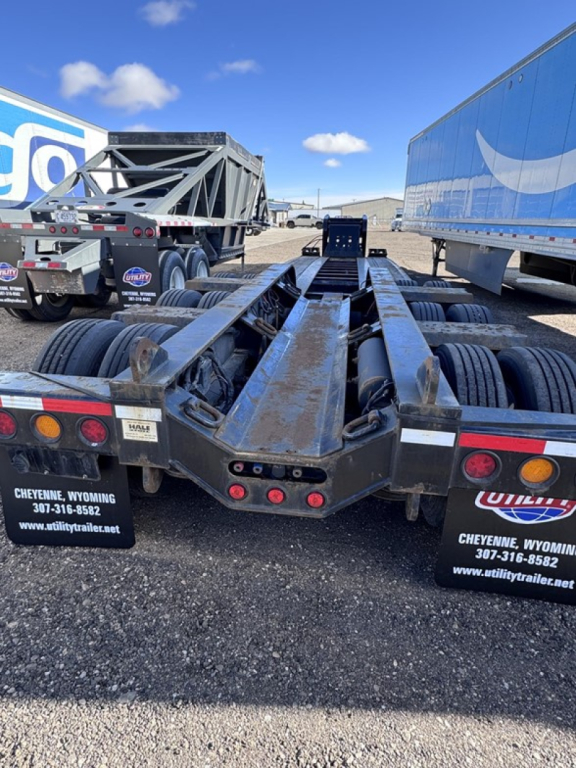
Have fontaine lowboy trailer to sell? List it here to reach thousands of buyers.
About Fontaine Lowboy Trailers in Wyoming
A typical Fontaine lowboy setup may include a hydraulic removable gooseneck with pony motor, a deep well in the mid-20-foot range, outriggers, D-rings, boom troughs, bucket wells, and flip ramps. Those details matter because they determine how versatile the trailer will be from one load to the next. A longer well helps with excavators and scrapers, while a boom trough can lower transport height on machines with long stick and bucket combinations. Front flip ramps and detachable neck configurations affect how quickly equipment can be loaded in the field. Buyers hauling mixed fleets should also look closely at deck width, loaded deck height, crossmember construction, and the condition of the suspension and lift axle components.
In Wyoming and other western heavy haul markets, terrain, weather, and permit routing can push buyers toward practical spec choices. Air ride suspension can help protect trailer structure and improve ride quality on long runs, while adjustable ride height can be useful when dealing with uneven approaches or loading transitions. Tire size, axle spacing, aluminum versus steel wheel mix, and rear lift functionality all influence maintenance cost and legal flexibility. Flag holders, strobes, securement points, and heavy-duty lighting packages are not small details on a lowboy. They directly affect day-to-day safety and oversize load readiness.
Used Fontaine lowboys should be evaluated with extra attention to the neck locking system, hydraulic lines, deck straightness, frame repairs, axle alignment, bushing wear, and brake condition. Check the outriggers and side rails for distortion from repeated concentrated loads, and inspect the well floor for gouging, weld repairs, and corrosion around stress points. A properly spec'd Fontaine lowboy can be a strong fit for construction, oilfield support, aggregate operations, and dedicated heavy equipment transport, especially when the trailer's capacity, well configuration, and axle group match the machines you move most often.
Frequently Asked Questions
What is the main advantage of a Fontaine lowboy trailer?
The main advantage is low deck height combined with heavy-duty construction for transporting tall and heavy equipment. Fontaine lowboy trailers are commonly spec'd with removable goosenecks, deep wells, and securement features that help keep machines lower for legal height and more stable in transit. That makes them a practical choice for excavators, dozers, loaders, and other equipment that would sit too high on a standard deck trailer.
What should I look at first when comparing Fontaine lowboy trailers?
Start with capacity, axle configuration, and well length. Those three factors determine what equipment the trailer can legally and practically carry. After that, review whether the trailer has a hydraulic or mechanical RGN setup, the presence of outriggers or bucket troughs, suspension type, tire size, and lift axle features. The right spec depends on machine weight, track width, transport height, and the permit environment in the states where the trailer will run.
Are Fontaine lowboy trailers good for excavators and crawler equipment?
Yes. Fontaine lowboy trailers are commonly used for excavators, bulldozers, and other crawler machines because the low well helps control overall loaded height and improves stability. Features such as boom troughs, outriggers, D-rings, and wide deck options can make a major difference when hauling tracked equipment with uneven weight distribution or long attachment profiles.
What is the difference between a lowboy and an RGN trailer?
A lowboy is the trailer category, and RGN stands for removable gooseneck, which is one of the most common lowboy designs. Many Fontaine lowboys are RGNs, meaning the front neck detaches so equipment can be driven or pulled onto the deck from the front. Not every lowboy uses the same loading method, so buyers should confirm whether the trailer is hydraulic detachable, mechanical detachable, or built with another configuration.
What matters most when inspecting a used Fontaine lowboy trailer?
The most important inspection points are structural condition and running gear. Look closely at the main beams, deck and well floor, gooseneck connection points, hydraulic system, suspension, axle alignment, brakes, and tire wear. Uneven deck surfaces, poor neck fit, cracked welds, and repeated repairs around outriggers or stress areas can indicate hard use or overloading. A heavy haul trailer can still be a good buy if it has been maintained correctly, but condition matters more than appearance.