
Fontaine Lowboy Trailers For Sale in Colorado
Shop Fontaine lowboy trailers for sale, including detachable gooseneck models built for heavy equipment, construction hauling, and oversize loads.
Learn more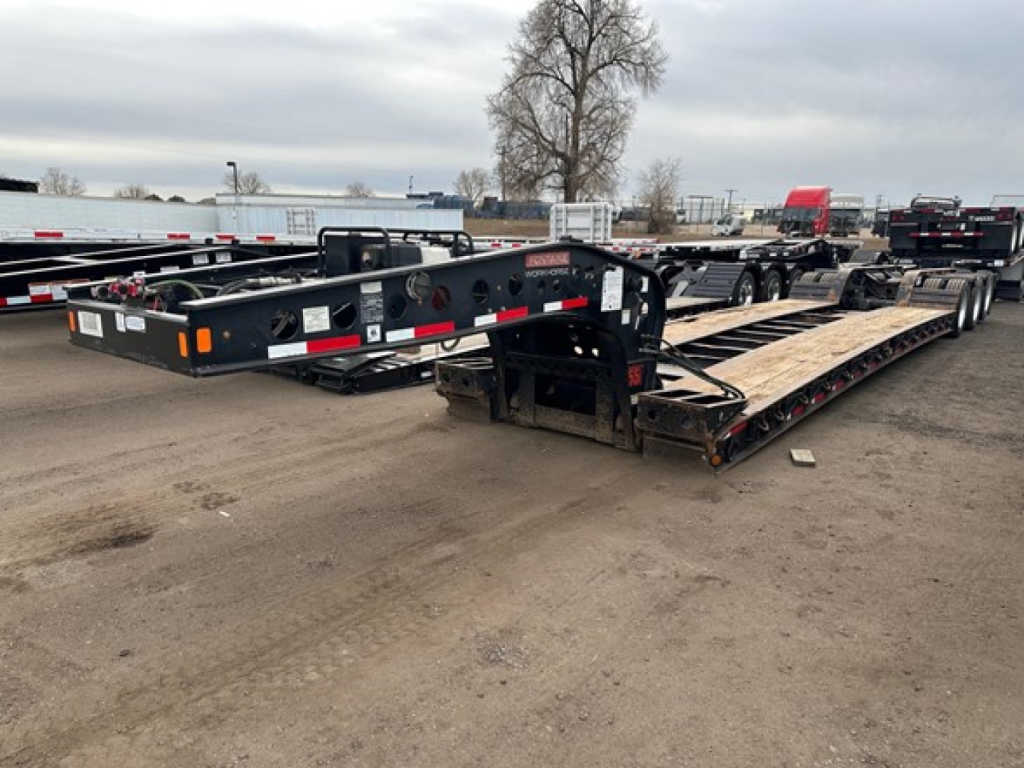
Have fontaine lowboy trailer to sell? List it here to reach thousands of buyers.
About Fontaine Lowboy Trailers in Colorado
A buyer should start with capacity and deck geometry. Common decision points include 35-ton, 50-ton, and 55-ton class trailers, along with well length, loaded deck height, and overall width. A longer well helps with larger excavators and specialized equipment, while a lower deck height can be critical when trying to stay legal on Colorado routes with taller machines. Hydraulic removable goosenecks are common on Fontaine lowboys because they speed loading and unloading and make it easier to handle tracked equipment. Features like front flip ramps, outriggers, boom troughs, bucket wells, D-rings, and traction aids can make a major difference in day-to-day usability depending on the machines being hauled.
Suspension, axle layout, and tire package also deserve close attention. Tandem and tri-axle configurations are common, and some trailers are equipped with air ride suspension, lift axles, or adjustable ride height to help with load equalization and clearance. Tire size, wheel material, and brake specification all affect service life and operating cost, especially for fleets running mixed highway and jobsite conditions. Buyers moving concentrated loads should also look closely at axle spacing, deck crossmember design, and any reinforcement in the well area. For western states like Colorado, it is smart to consider how the trailer's dimensions and axle group will fit state permitting practices, bridge laws, and mountain route requirements.
Condition and maintenance history often matter as much as brand or year. On a used Fontaine lowboy, inspect the gooseneck connection points, hydraulic system, deck plating, suspension components, frame rails, and any signs of weld repair around high-stress areas. Check for straightness in the neck and main deck, brake and lighting condition, tire wear patterns, and the state of the outriggers and securement points. A well-spec'd Fontaine lowboy can be a strong fit for contractors, equipment rental fleets, and specialized haulers that need a trailer with proven heavy-haul design and straightforward serviceability.
Frequently Asked Questions
What is a Fontaine lowboy trailer typically used for?
A Fontaine lowboy trailer is typically used to haul heavy equipment and taller machinery that cannot ride safely or legally on a standard flatbed. Common loads include excavators, bulldozers, wheel loaders, pavers, forestry equipment, and other construction or aggregate machines. The low deck height helps reduce overall loaded height, which is a key advantage when moving oversized equipment under bridge and route restrictions.
What should I look for when buying a used Fontaine lowboy?
Focus on structural condition first. Inspect the main frame, neck connection, deck plating, outriggers, crossmembers, and suspension mounting points for cracks, distortion, or evidence of repeated heavy stress. Also check the hydraulic detachable gooseneck system, brake components, tires, lighting, and all load securement hardware. Uneven tire wear, poor deck alignment, or repaired high-stress weld areas can indicate a trailer that has seen hard service or needs near-term work.
How do I choose the right capacity and axle setup on a lowboy trailer?
Capacity should match the heaviest machine you expect to haul, but axle configuration is just as important because it affects weight distribution, permits, maneuverability, and bridge compliance. A 50-ton or 55-ton class lowboy may be appropriate for larger iron, while tandem or tri-axle groupings can change how the trailer handles both legal and permitted loads. Buyers should compare gross weight needs, machine dimensions, route types, and state-specific hauling rules before choosing a setup.
Why is deck height so important on a lowboy trailer?
Deck height directly affects total loaded height, which is one of the main reasons lowboys are used in the first place. A lower deck allows taller equipment to be transported with fewer route restrictions and less permitting difficulty. It also helps some machines ride with better stability, especially equipment with a high center of gravity. For buyers operating in areas with bridge limitations or mountain routes, deck height can be one of the most important specs on the trailer.
Are detachable gooseneck Fontaine lowboys better for equipment loading?
For many heavy equipment applications, yes. A detachable gooseneck, especially a hydraulic removable gooseneck, allows the machine to be driven directly onto the deck from the front, which is often safer and easier for tracked equipment than using rear ramps. It can also improve loading angle and reduce the risk of undercarriage contact. This style is widely preferred for frequent loading cycles and for fleets hauling larger construction equipment on a regular basis.