
New Alpha Lowboy Trailers For Sale
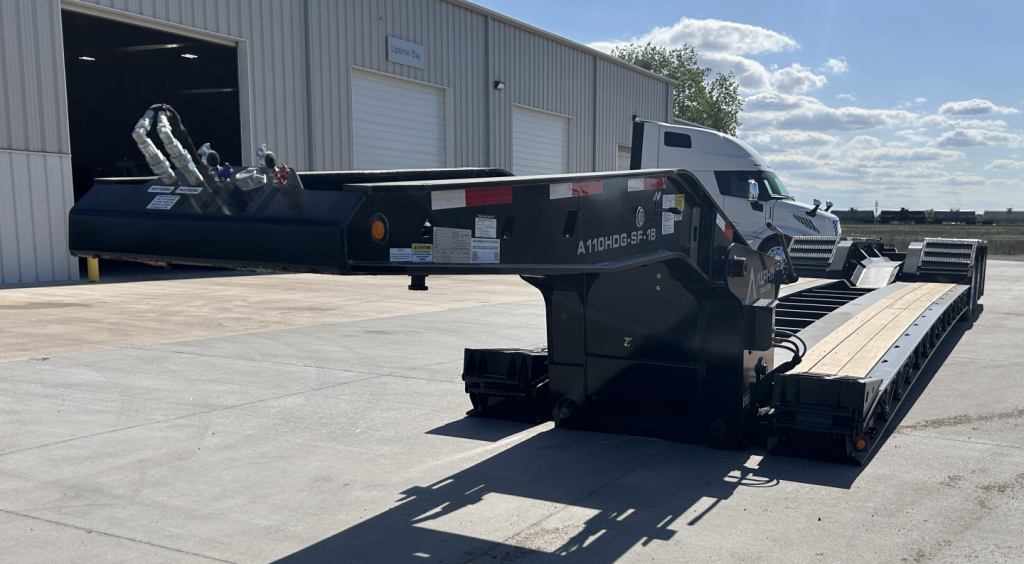
Shop new Alpha lowboy trailers built for heavy equipment hauling, with mechanical or hydraulic detach options and concentrated load ratings.
Learn more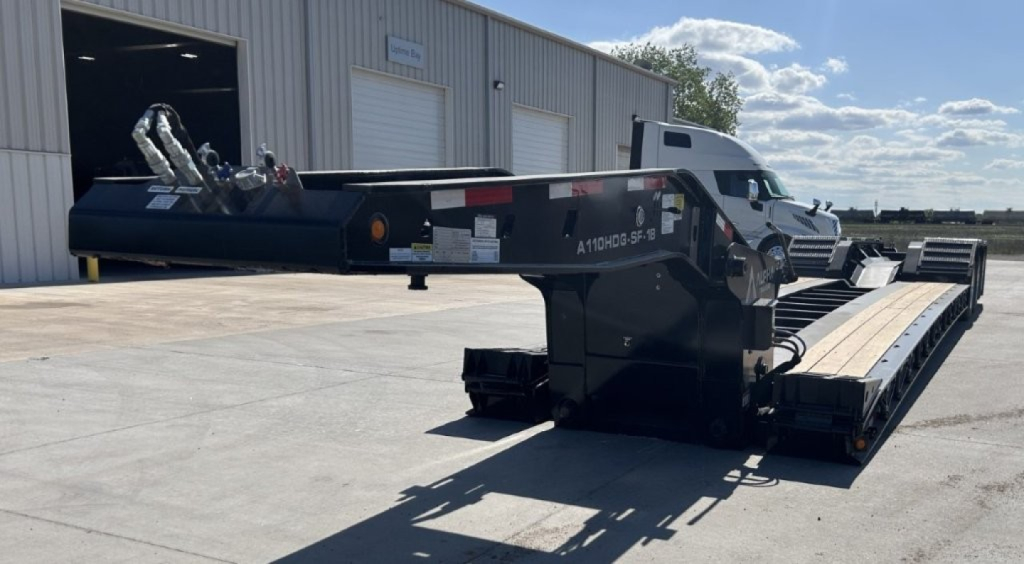
Showing 37 to 40 of 40 results
Have new alpha lowboy trailer to sell? List it here to reach thousands of buyers.
About New Alpha Lowboy Trailers
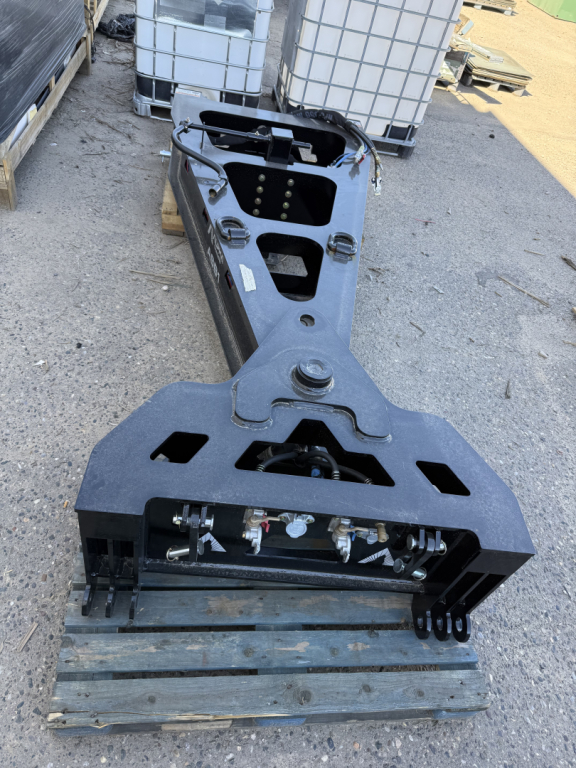
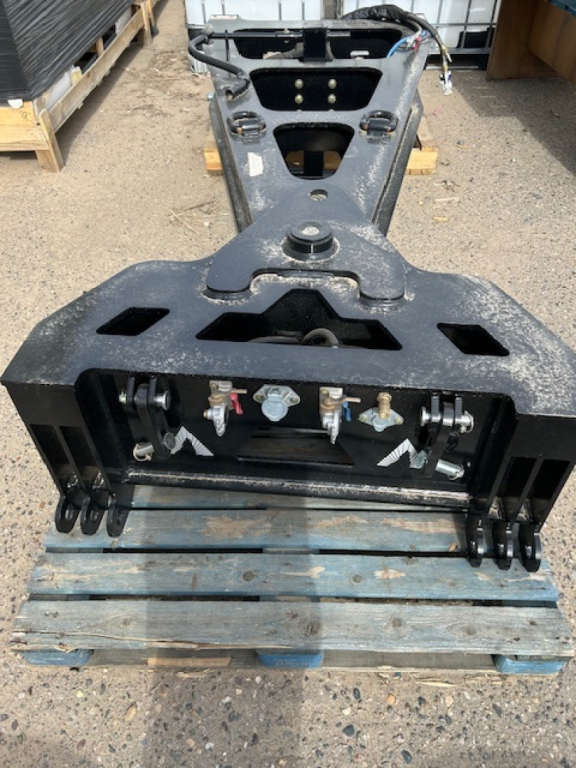
One of the first buying decisions is neck style. A mechanical detach lowboy can be a strong fit for fleets that want a simpler detachable neck design and straightforward operation, while a hydraulic detach lowboy adds easier loading and unloading for frequent equipment moves. Common specs in this class include 10-foot to 10-foot-5-inch necks, 15-inch kingpin settings, and swing clearances around 80 to 85 inches. Deck design matters just as much. Some Alpha models use a mini-deck layout with very low loaded deck height, while others prioritize a longer main deck with outriggers on 24-inch centers for wider machinery and more tie-down flexibility.
Capacity should be evaluated beyond the headline number. A lowboy rated at 70,000 to 80,000 pounds may also carry a separate concentrated load rating, such as 60,000 to 70,000 pounds in 16 feet, which is often the more useful number for excavators, dozers, pavers, and similar equipment. Buyers should also look closely at axle package and suspension. Typical specs in this segment include tandem 25,000-pound axles, 54-inch axle spacing, air ride suspension, drum brakes, 4S2M ABS, spring brakes, raise-lower valves, and ride height control. Features like Airweigh scales, aluminum outer wheels, LED lighting, and sealed harness systems can improve day-to-day usability and reduce downtime.
For fleets running oversize or specialized machinery, the details at the rear of the trailer can make a real difference. Flip axle prep, full-width rear decking, flag holders, extra toolboxes, and robust tie-down points all affect how adaptable the trailer will be across different jobs. Apitong decking remains a common choice because it holds up well under tracked equipment and repeated loading cycles. If your operation handles varying machine sizes, pay attention to deck length, neck platform layout, ground clearance, and 5th wheel height compatibility with your tractors. Those fitment details often matter as much as raw tonnage when choosing the right Alpha lowboy trailer.
Frequently Asked Questions
What is the difference between a mechanical detach and a hydraulic detach lowboy trailer?
A mechanical detach lowboy uses a simpler detachable gooseneck design and is often valued for lower complexity and straightforward maintenance. A hydraulic detach lowboy uses hydraulic power, often from a pony motor, to separate and reconnect the neck more easily, which can speed up loading for fleets that move equipment frequently. The better choice depends on load frequency, operator preference, and how much value you place on faster detach cycles versus simpler systems.
What lowboy trailer capacity number matters most for equipment hauling?
The concentrated load rating is often more important than the gross headline capacity. Many machines place most of their weight in a shorter section of deck, so a rating like 60,000 or 70,000 pounds in 16 feet gives a better picture of real hauling capability than a broad overall number alone. Buyers should match axle weights, track spacing, and equipment center of gravity to the trailer's stated concentrated load capacity.
Why is deck height so important on a lowboy trailer?
Deck height directly affects legal loaded height, machine stability, and loading angle. A lower loaded deck height helps operators move taller equipment while staying within route restrictions and can improve overall center of gravity during transport. Buyers should compare loaded deck height with ground clearance, because an extremely low deck is useful only if the trailer still has enough clearance for the roads, jobsite entrances, and transitions it will see.
What features should I look for on a new Alpha lowboy trailer for construction equipment?
The most useful features usually include Apitong decking, multiple D-rings and chain slots, stake pockets, outriggers, air ride suspension, ABS, raise-lower controls, and flip axle preparation. Toolboxes, work lights, LED lighting, and an onboard scale system can also improve daily operation. For construction fleets, the best spec is usually the one that balances deck length, tie-down flexibility, axle capacity, and detach style around the actual machines being hauled.
Do kingpin setting and 5th wheel height matter when choosing a lowboy?
Yes. Kingpin setting, swing clearance, and 5th wheel height all affect tractor compatibility, turning clearance, and ride attitude. A mismatch between trailer neck geometry and tractor height can create loading problems, poor weight distribution, or clearance issues between the neck and the back of the cab. Buyers should confirm that the lowboy's neck design matches the tractor fleet they plan to use, especially when comparing different detach styles and deck heights.