
Trailers For Sale Near Lemont, Illinois
Browse trailers for sale including dry vans, flatbeds, lowboys, and specialty trailers with specs that fit freight, route, and fleet needs.
Learn more
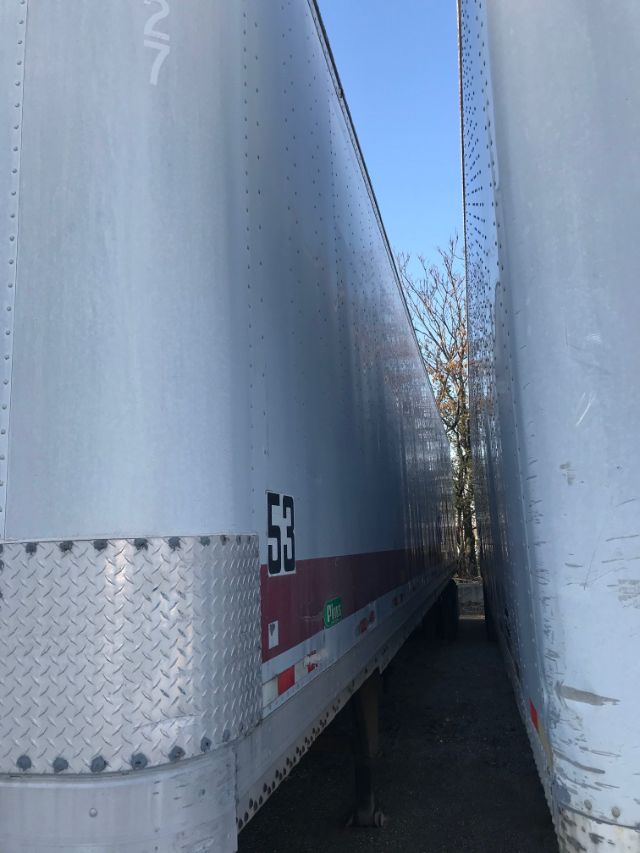
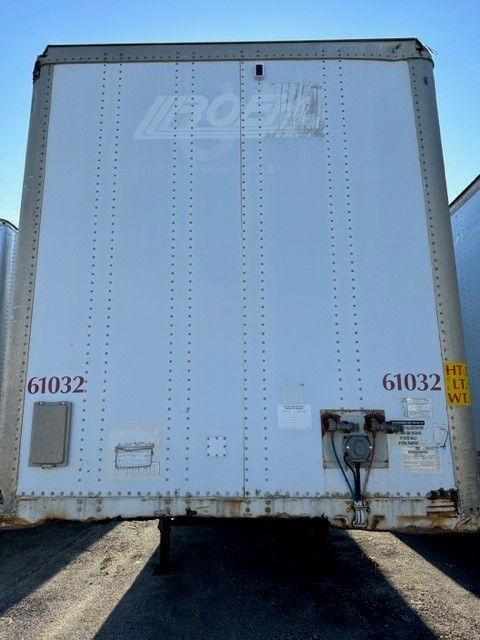
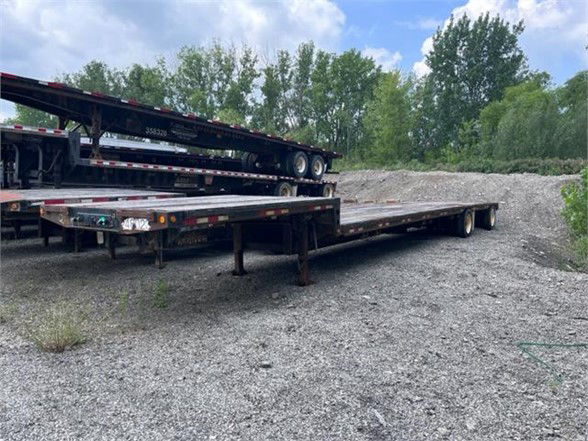
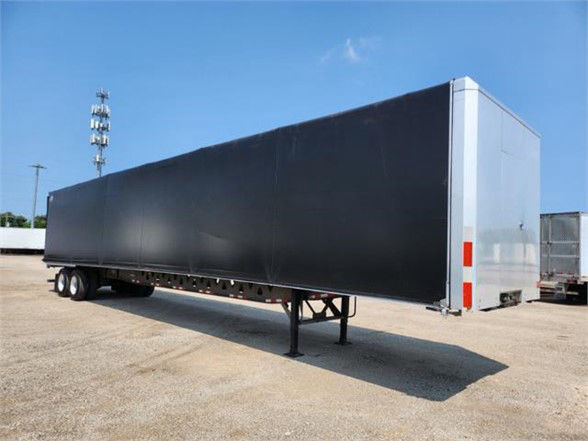
Showing 25 to 36 of 92 results
Have trailer to sell? List it here to reach thousands of buyers.
About Trailers Near Lemont, Illinois
For van trailers, the biggest buying decisions usually come down to wall construction, door style, lining, logistics setup, and corrosion resistance. Common specs include 53-foot length, 102-inch width, air-ride suspension, sliding tandems, wood floors, scuff liners, threshold plates, and either swing or roll-up rear doors. Plate-wall and sheet-and-post designs each have their place depending on repair philosophy and fleet preference. Galvanized rear frames, hot-dipped components, and tire inflation systems can lower long-term maintenance costs, especially in Illinois and surrounding states where road salt and year-round moisture accelerate corrosion. Interior details like E-track, plywood lining, venting, and floor ratings matter if the trailer will handle mixed freight, high forklift traffic, or frequent LTL use.
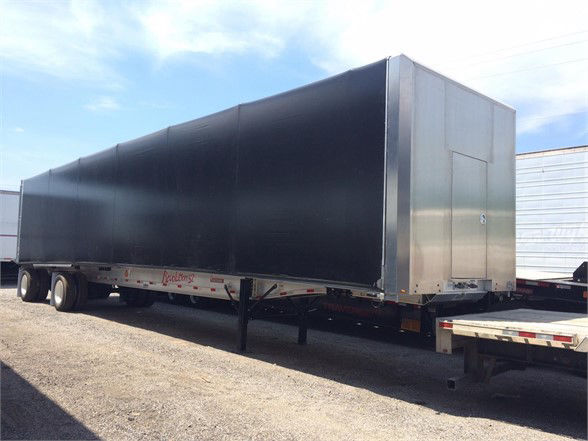
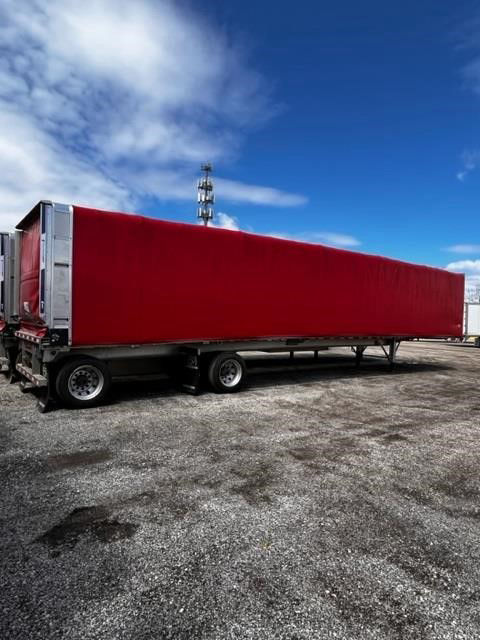
Flatbeds and other open-deck trailers need a different evaluation. Buyers should look closely at deck composition, crossmember spacing, suspension type, brake package, kingpin setting, and securement practicality. Aluminum, steel, and combination trailers each trade off tare weight, durability, and repair cost differently. A combo flatbed is a popular middle ground because it balances payload and structural strength for general freight. Sliding tandems improve bridge compliance and axle spread flexibility, while air-ride suspension helps protect more sensitive loads. Rolling tarp systems, coil packages, winches, and rub rail design can change how efficiently a trailer handles steel, lumber, machinery, and weather-sensitive freight.
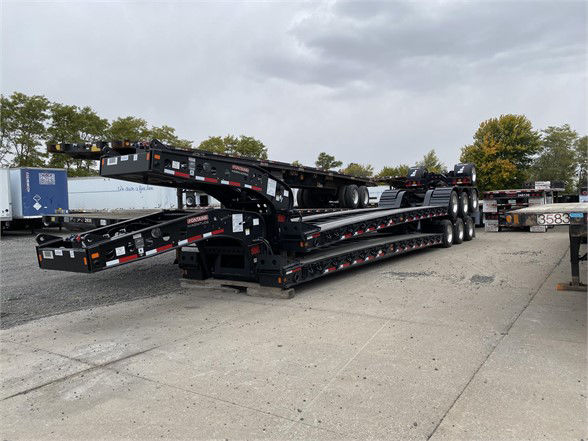
Specialty trailers such as lowboys, double drops, and flip axles are driven by axle capacity, loaded deck height, and route restrictions. Buyers in this segment need to think beyond trailer length and focus on legal weight distribution, deck length in the well, detachable neck configuration, and how auxiliary axles integrate with the primary trailer. Brake spec, suspension, tire size, and frame construction all affect permitting, maintenance, and usable payload. For any trailer category, it pays to match the trailer to the freight first, then compare structural specs, running gear, and corrosion protection. The right trailer is not just the one with the right dimensions. It is the one that fits the cargo, the lanes, the loading environment, and the service cycle without creating avoidable maintenance or compliance problems.
Frequently Asked Questions
What type of trailer is best for general freight?
For most palletized and dock-loaded freight, a 53-foot dry van is the standard choice because it protects cargo from weather, supports high cube freight, and works across a wide range of warehouse and distribution applications. If the freight needs crane loading, side access, or top loading, a flatbed is usually the better fit. The best trailer depends on how the freight is loaded, how it is secured, and whether weather exposure is acceptable.
What should I look for when comparing used trailers?
Start with the frame, crossmembers, floor condition, suspension, axle alignment, brake wear, and signs of corrosion or impact damage. On van trailers, inspect the roof, sidewalls, rear frame, door seals, thresholds, and interior lining. On flatbeds, pay close attention to deck condition, winch track integrity, rub rails, landing gear, and any cracking or repairs around stress points. Maintenance history, tire condition, and whether the tandem slides freely can tell you a lot about how the trailer was operated and maintained.
Why does trailer construction material matter?
Construction material affects tare weight, durability, corrosion resistance, and repair cost. Aluminum trailers generally help maximize payload and resist rust well, while steel offers strength and can be more economical to repair in some applications. Combination trailers use both materials to balance weight savings with structural durability. The right choice depends on freight type, annual mileage, operating environment, and how long the trailer is expected to stay in service.
Are air-ride suspension and sliding tandems worth it?
In many applications, yes. Air-ride suspension helps reduce cargo shock and can improve ride quality for sensitive freight, electronics, beverages, or higher-value loads. Sliding tandems give more flexibility for axle weight distribution and bridge law compliance, which is especially useful in regional and multi-state operations. These features are common on modern dry vans and flatbeds because they add operational flexibility and can make the trailer easier to use across different loads and routes.
What is the advantage of corrosion protection on a trailer?
Corrosion protection is a major factor in trailer life, especially in northern states such as Illinois where trailers are exposed to salt, slush, and wet roads. Hot-dipped galvanizing, galvanized rear frames, coated components, and sealed wiring systems help slow rust and reduce structural deterioration over time. Better corrosion resistance can improve uptime, reduce repair frequency, and support stronger resale value later in the trailer’s life cycle.