
Wilson Hopper Trailers For Sale in New Mexico
Shop Wilson hopper trailers for grain and bulk commodities, including common specs, side heights, hopper setups, tarp systems, and suspension options.
Learn more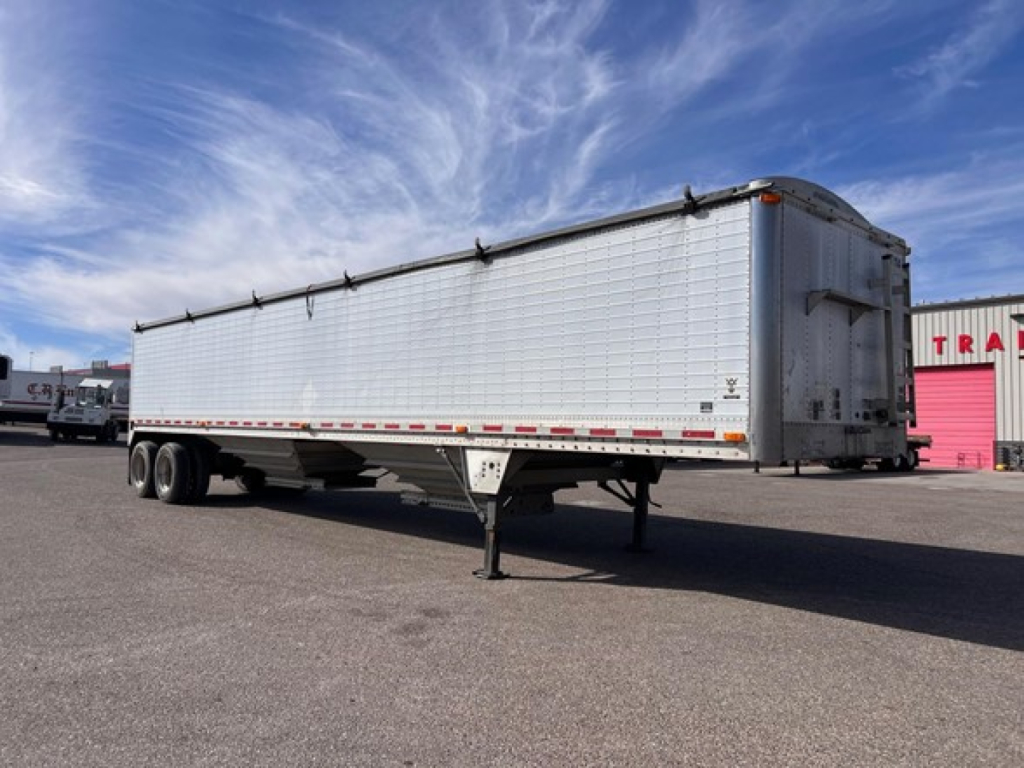
Have wilson hopper trailer to sell? List it here to reach thousands of buyers.
About Wilson Hopper Trailers in New Mexico
A Wilson hopper trailer is typically built around an aluminum body to keep empty weight down and maximize legal payload. Side heights such as 66 inches are common on grain-spec trailers, but capacity needs vary by commodity, moisture level, and route restrictions. Buyers should pay close attention to the condition of the subframe, hopper slopes, discharge gates, crossmembers, and kingpin area, especially on older units that have spent years on rough county roads or in corrosive fertilizer service. Corrugated side panels, stainless front corners, stainless rear panels, ladders, and catwalks are all features commonly seen on Wilson grain trailers and can add durability or day-to-day convenience depending on the application.
Spec decisions should match the commodity and unload environment. Two-hopper trailers are standard for grain, corn, soybeans, and similar products, while gate design and seal condition matter if the trailer will handle smaller or more leak-prone materials. Manual rollover tarps are still common and simple to maintain, though some operators prefer electric tarp systems for faster loading and better driver convenience. Suspension also matters more than many buyers expect. Air ride is popular for ride quality and cargo protection, while axle spacing, closed tandem layouts, wheel spec, and tire condition affect maneuverability, bridge compliance, and maintenance cost.
In New Mexico and across the Southwest, hopper trailer buyers often look for equipment that can handle long rural runs, variable weather, and seasonal harvest demand without adding unnecessary tare weight. Aluminum wheels, good tarp condition, sound hopper traps, and a straight frame are often worth more than cosmetic shine alone. If the trailer will spend time on mixed farm and highway duty, inspect for gate wear, latch function, prior repairs around the suspension mounts, and signs of stress around the landing gear and rear frame. A well-kept Wilson hopper trailer can be a strong fit for grain, seed, feed, and other free-flowing bulk loads where fast turnaround and dependable unload performance matter.
Frequently Asked Questions
What are the most important specs to compare on a Wilson hopper trailer?
The key specs are length, width, side height, hopper count, axle configuration, suspension type, and tarp system. These directly affect payload, legal compliance, unloading speed, and daily usability. Buyers should also compare gate condition, kingpin area wear, frame straightness, and wheel-end maintenance history because those items can drive repair cost quickly on a used hopper trailer.
Are Wilson hopper trailers mainly used for grain?
Wilson hopper trailers are widely used for grain hauling, but they also work well for other free-flowing bulk commodities such as seed, feed ingredients, and some fertilizer products when the trailer is properly spec'd and maintained. The exact fit depends on gate sealing, liner or corrosion considerations, and how abrasive or moisture-sensitive the commodity is. Grain service is the most common application, but many operators use them across multiple seasonal bulk loads.
Is air ride better than spring suspension on a hopper trailer?
Air ride is often preferred because it improves ride quality, can reduce shock to the trailer and cargo, and is generally favored in many agricultural and bulk hauling operations. Spring suspension can be simpler, but air ride is common on higher-spec grain trailers and can help with overall handling and driver acceptance. The better choice depends on route conditions, maintenance practices, and how much value you place on ride quality versus simplicity.
What should I inspect on a used Wilson hopper trailer before buying?
Focus on structural and unloading components first. Check the subframe, crossmembers, kingpin plate, suspension mounts, landing gear area, rear frame, hopper slopes, and discharge gates for cracks, weld repairs, corrosion, or distortion. Then inspect the tarp, trap doors, seals, brakes, tires, wheel ends, lights, and wiring. A clean-looking trailer can still have expensive wear in the gates or frame, so the inspection should prioritize function over appearance.