
Stoughton Hopper Trailers For Sale in New Mexico
Browse Stoughton hopper trailers built for grain and bulk commodity hauling, with common specs, sidewall heights, tarp systems, and suspension options.
Learn more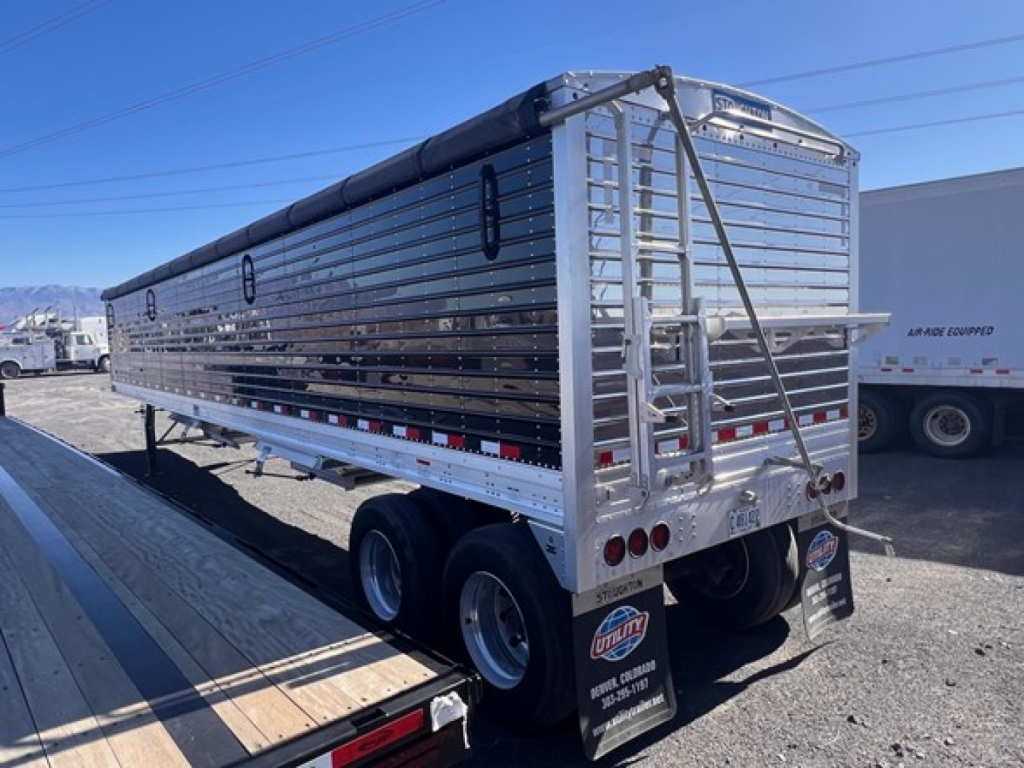
Have stoughton hopper trailer to sell? List it here to reach thousands of buyers.
About Stoughton Hopper Trailers in New Mexico
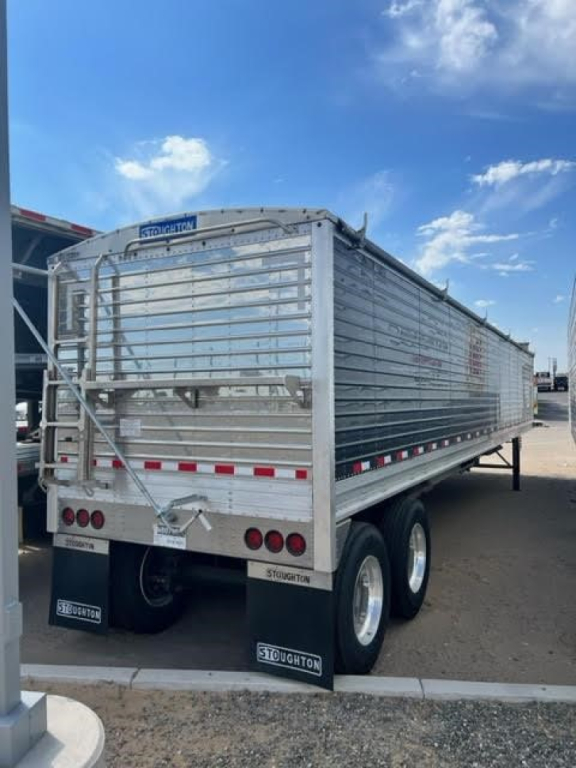
A lot of the buying decision comes down to body construction and discharge layout. Stoughton grain trailers are often spec'd with corrugated side panels for strength and weight control, stainless front corners or rear panels in high-wear areas, and dual hopper gates built for fast unload times. Buyers should pay attention to trap style, gate actuation, and how easily the trailer can be sealed and cleaned between loads. If the trailer will see corn, beans, wheat, meal, or DDG service, details like hopper slope, gate opening size, and trap work lights make a real difference in turnaround time and day-to-day usability.
Suspension, axle position, and wheel spec also matter. Closed tandem air ride setups are common on Stoughton hopper trailers because they give a good mix of ride quality, load protection, and serviceability on mixed road conditions. Many trailers in this class run 11R22.5 rubber, aluminum outer wheels, and steel inner wheels to manage cost without giving up the appearance and weight savings buyers want. A manual dump valve with load gauge is a useful feature for operators who need to monitor suspension pressure and adjust axle loading during harvest and high-volume seasonal work.
Tarp and access equipment should not be treated as minor items. Front and rear ladders, catwalks, rollover tarps, and adequate LED lighting all affect safety and daily efficiency. In a dry bulk trailer, weather protection is not optional, especially for grain hauled across variable climates like New Mexico where wind, dust, and sudden rain can create product loss or quality issues. Buyers comparing Stoughton hopper trailers should focus on actual commodity use, empty weight, gate design, suspension spec, and corrosion-prone areas first. Those points tell you more about long-term value than model year alone.
Frequently Asked Questions
What are the most common specs on a Stoughton hopper trailer?
Many Stoughton hopper trailers in ag service are built around a 42-foot by 96-inch configuration with aluminum construction, side heights in the 70-inch range, tandem axles, air ride suspension, and 11R22.5 tires. Common equipment includes front and rear ladders, a catwalk, rollover tarp, dual hoppers, and a mix of aluminum and stainless components in high-wear areas. Exact cubic capacity and empty weight vary by sidewall height, panel design, and options.
Is a Stoughton hopper trailer mainly for grain hauling?
Grain is the most common use, but the category covers more than corn and soybeans. These trailers are also used for feed ingredients, meal, pellets, and other dry bulk commodities that flow through bottom discharge gates. The right fit depends on commodity density, contamination sensitivity, and how often the trailer needs to be cleaned out between loads.
What should I inspect first on a used Stoughton hopper trailer?
Start with the hopper gates, traps, and discharge openings for wear, leaks, and smooth operation. Then inspect the substructure, crossmembers, suspension hangers, kingpin area, and rear frame for fatigue or repair history. On aluminum grain trailers, also look closely at rivets, seams, ladder mounts, tarp hardware, and any stainless-to-aluminum transition points where corrosion or cracking can begin over time.
Does air ride suspension make sense on a hopper trailer?
For many operations, yes. Air ride helps protect the trailer structure and cargo from road shock, and it generally improves ride quality compared with harsher suspension types. It is especially useful on mixed road conditions, long rural routes, and seasonal agricultural work where loaded and empty miles can vary widely. Buyers should still evaluate bushing condition, air bag age, shocks, and axle alignment because suspension wear directly affects tire life and handling.
What features matter most for grain hauling in a dry climate like New Mexico?
Dust control, tarp integrity, and easy cleanout become especially important in dry and windy conditions. A secure rollover tarp, tight gate seals, good lighting for early or late harvest runs, and durable ladder and catwalk access are all practical advantages. Corrosion resistance still matters even in a dry climate because fertilizer, road chemicals, and commodity residue can all shorten trailer life if the body and hardware are not properly spec'd and maintained.