
New Armor Lite Hopper Trailers For Sale
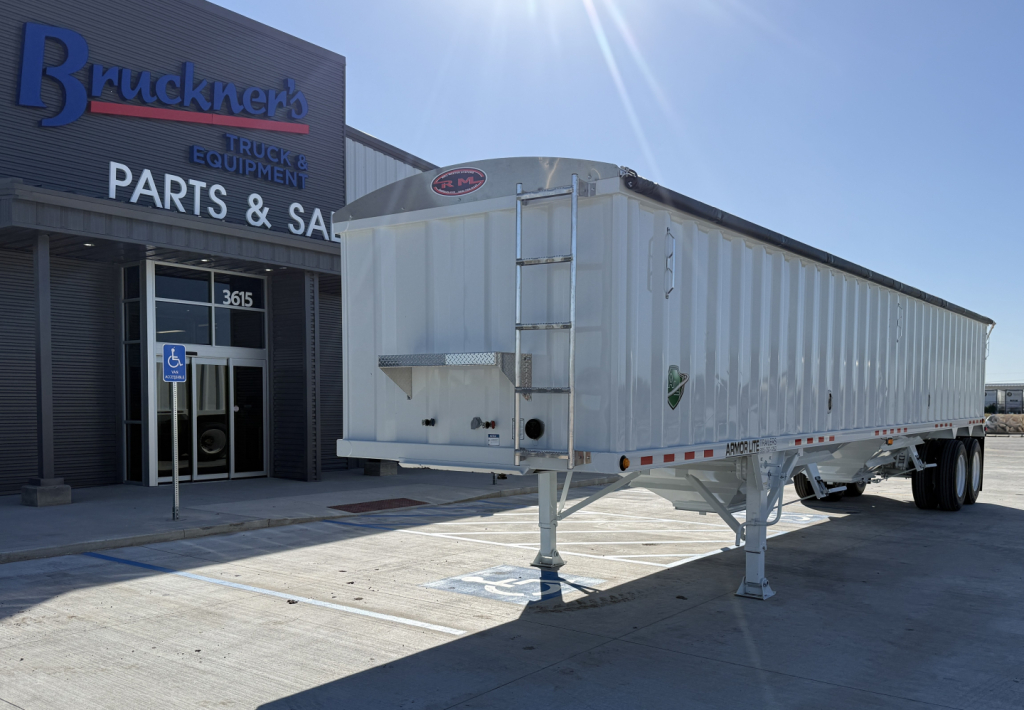
New Armor Lite hopper trailers for grain and bulk ag hauling. Compare specs like length, hopper size, tarp systems, suspension, and capacity.
Learn more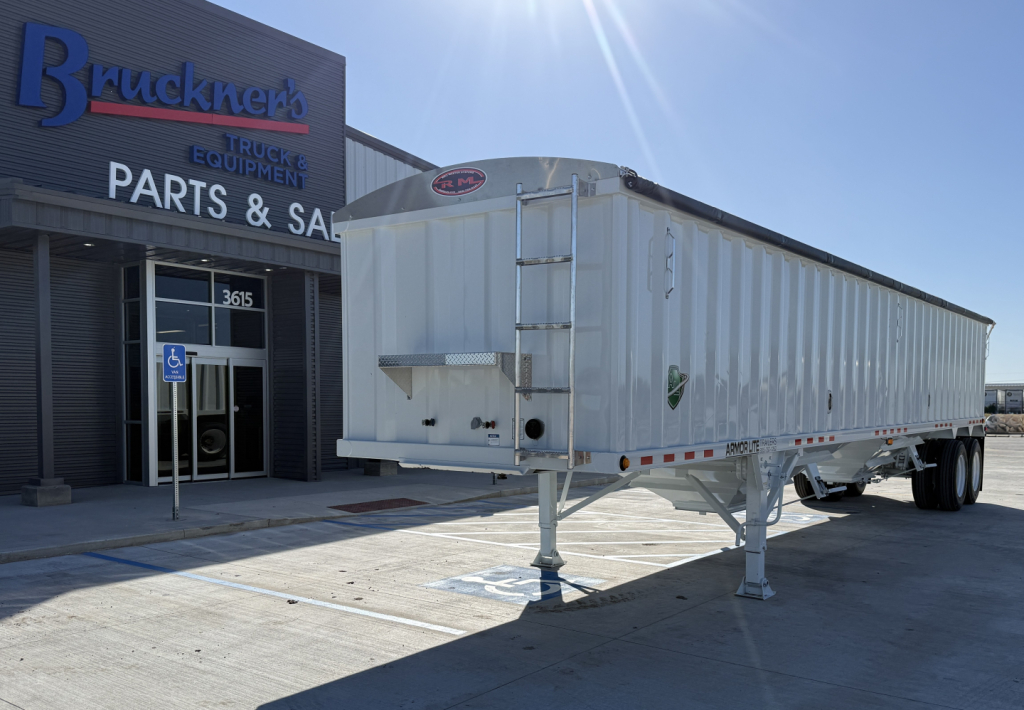
Have new armor lite hopper trailer to sell? List it here to reach thousands of buyers.
About New Armor Lite Hopper Trailers
The biggest buying decision is often steel versus aluminum. Steel hopper trailers typically cost less up front and can be a practical fit for operations that value durability and straightforward repairability. The tradeoff is higher empty weight compared with aluminum, which can reduce payload in weight-sensitive lanes. On new hopper trailers, also pay attention to suspension and running gear details. Spring suspension remains common for agricultural service because it is simple, proven, and generally economical to maintain. Tire size, wheel type, landing gear, lighting, and sealed harness construction all affect uptime, especially during harvest when trailer utilization is high and small electrical or tire issues can cost loads.
For day-to-day use, tarp and access equipment deserve close attention. A manual vinyl roll tarp is a familiar setup that keeps cost down and works well for many farm and elevator operations, but buyers running frequent turns may prefer to compare ease of use and weather sealing across tarp designs. Front and rear ladders, catwalk layout, and overall access points matter for safety and convenience during inspection and loading. Hopper geometry also matters more than some buyers expect. Gate size, slope, and discharge design influence how well corn, beans, wheat, feed ingredients, and similar products unload, especially when moisture or material consistency changes.
Armor Lite hopper trailers in this class are typically aimed at agricultural hauling rather than specialty bulk work, so the best comparison points are capacity, empty weight, component quality, and serviceability. Look closely at crossmember construction, wiring protection, light placement, ladder and catwalk durability, and wheel-end spec if you are buying for a fleet. If the trailer will spend most of its life on farm pickups, co-ops, and regional grain runs, a straightforward 40-foot grain hopper with practical ag specs can be the most efficient choice. If payload, corrosion resistance, or resale is the priority, it is worth comparing material choice and tare weight across similar hopper trailers before deciding.
Frequently Asked Questions
What is a hopper trailer used for?
A hopper trailer is used to haul free-flowing bulk commodities that discharge through bottom hopper openings. In agricultural service, that usually means grain, corn, soybeans, wheat, feed ingredients, and similar products. The trailer body is designed so material flows by gravity to the hopper gates for unloading at elevators, mills, and processing facilities.
What specs matter most when comparing new grain hopper trailers?
The most important specs are body length, width, side height, cubic feet or bushel capacity, tare weight, hopper opening size, suspension type, and tarp system. Buyers should also compare tire and wheel package, landing legs, lighting, wiring harness protection, ladder and catwalk setup, and how easy the trailer is to service. Those details affect payload, unload speed, uptime, and long-term operating cost.
Is a steel hopper trailer a good choice for grain hauling?
A steel hopper trailer can be a strong value for grain hauling, especially when upfront purchase price and durability are priorities. Steel trailers are often easier to repair in many local markets and can hold up well in farm and regional service. The main tradeoff is higher empty weight than an aluminum trailer, which can reduce legal payload on weight-sensitive loads.
How many bushels does a 40-foot hopper trailer hold?
Capacity depends on side height, body design, and commodity density, but a 40-foot grain hopper often falls in the range of about 1,400 cubic feet and roughly 1,150 bushels in a common ag specification. Actual legal payload and usable volume vary by state weight limits, product type, moisture content, and the exact trailer build. Buyers should compare both cubic capacity and empty weight, not bushel claims alone.
What should I look for in hopper discharge and tarp design?
Look for hopper openings and gate sizes that match the products and unload points you use most. Ag-style hopper openings are common and work well for standard grain service, but discharge efficiency can vary with gate design and hopper slope. For the tarp, compare ease of operation, weather protection, and long-term durability, because a tarp that seals well and operates smoothly helps protect commodity quality and keeps loading and unloading efficient.