
Armor Lite Hopper Trailers For Sale in Kansas
Shop Armor Lite hopper trailers for grain hauling in Kansas. Compare steel ag hoppers, capacities, tarp setups, suspension, and spec details.
Learn more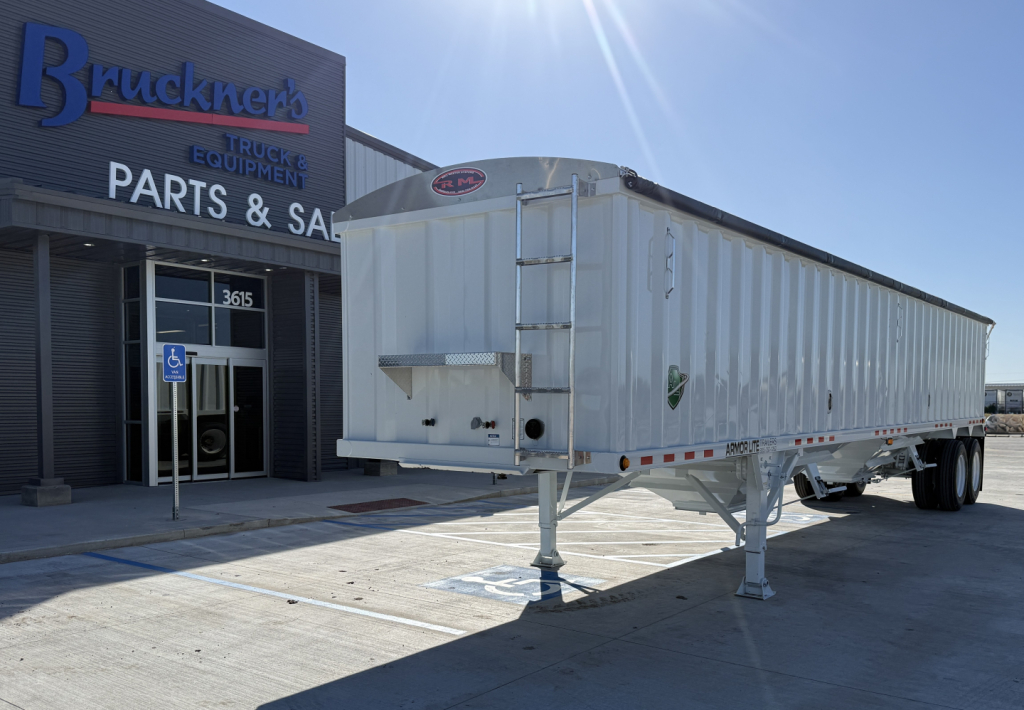
Have armor lite hopper trailer to sell? List it here to reach thousands of buyers.
About Armor Lite Hopper Trailers in Kansas
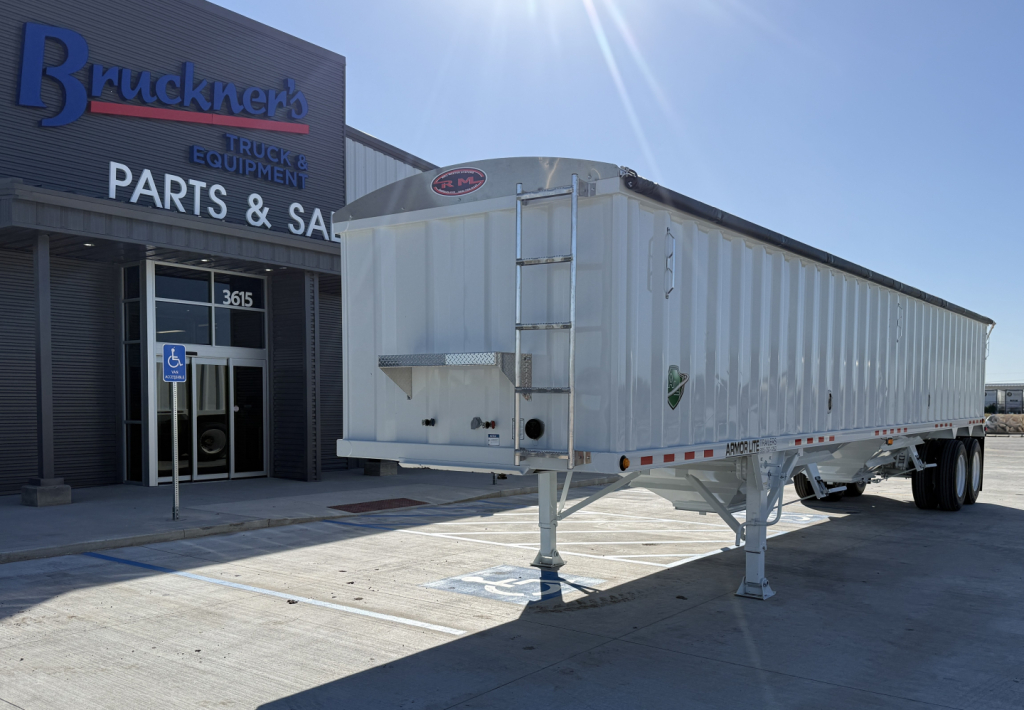
A typical Armor Lite grain hopper in this class uses a 40-foot by 96-inch body with side heights around 70 inches, putting it in the range many operators want for farm-to-elevator and regional commodity hauling. Listings in this category commonly show capacities around 1,433 cubic feet and roughly 1,153 bushels, along with 24-inch by 24-inch ag hoppers for controlled discharge. Steel construction is a practical choice for operators who want a rugged trailer for mixed road conditions, frequent loading cycles, and long-term value. It is also worth looking at suspension type, tire size, wheel material, landing gear, and wiring protection, since spring suspension, 11R24.5 rubber, steel wheels, two-speed landing legs, and sealed LED harnesses are all common working specs on trailers built for dependable daily use.
Operational details make a bigger difference on hopper trailers than many first-time buyers expect. Manual vinyl roll tarps are common and keep the trailer simple, but buyers running frequent loads or dealing with high winds may also weigh the value of tarp ease-of-use and seal quality. Front and rear ladders, catwalk access, and hopper gate design matter for safe inspection and unloading. If the trailer will spend most of its life in grain harvest, fertilizer service, or shuttle work between bins, mills, and elevators, look closely at gate actuation, trap clearance, and how well the trailer cleans out between commodities. Hopper trailers are also known as grain hoppers or ag hoppers, and the best spec is usually the one that matches local crops, legal weight targets, and the unloading setup at the facilities you use most.
For Kansas buyers, corrosion exposure, road surface conditions, and seasonal demand all influence the right trailer spec. A hopper trailer that looks similar on paper can differ significantly in tare weight, service access, and long-term maintenance costs. Check the structural layout, ladder and catwalk placement, light wiring protection, and support components underneath the trailer. A well-matched Armor Lite hopper trailer should deliver predictable unloading, practical capacity for the commodity hauled, and a straightforward design that can stay productive through harvest peaks and year-round bulk hauling.
Frequently Asked Questions
What are the most important specs to compare on an Armor Lite hopper trailer?
The key specs are trailer length, width, side height, cubic capacity, bushel rating, hopper opening size, suspension, tarp type, and tare weight. These numbers determine how much product the trailer can legally haul, how efficiently it unloads, and how well it fits your usual commodities and elevator requirements. Buyers should also review tires, wheels, landing gear, ladder and catwalk setup, and the electrical harness because those components affect uptime and maintenance costs.
Is a steel hopper trailer a good choice for grain hauling?
A steel hopper trailer is a solid choice for many grain operations, especially when durability and rugged service matter more than chasing the lowest possible empty weight. Steel construction is often favored for farm use, mixed road conditions, and repetitive seasonal loading cycles. The tradeoff is that steel trailers can weigh more than some aluminum configurations, so buyers should balance structural preference against payload goals and local weight laws.
What capacity range is common for a 40-foot grain hopper trailer?
A 40-foot grain hopper trailer in this category commonly lands around 1,400-plus cubic feet and roughly 1,100-plus bushels, depending on side height and body design. Those figures are useful as a starting point, but actual payload depends on commodity density, legal gross weight limits, and axle setup. Grain, feed, and other bulk products can scale very differently, so capacity should always be matched to your primary freight.
What should Kansas buyers look for in a hopper trailer?
Kansas buyers should focus on commodity mix, harvest use, road conditions, and the unloading systems at local elevators and processors. A trailer used heavily for wheat, corn, milo, or soybean hauling needs practical gate operation, dependable tarp coverage, and a suspension setup that handles rural roads well. Sealed lighting, durable wiring, and accessible ladders and catwalks are also important because harvest work often means long days, repeated loading cycles, and limited downtime for repairs.
Are manual roll tarps common on hopper trailers?
Yes, manual vinyl roll tarps are very common on grain hopper trailers because they are simple, cost-effective, and easy to maintain. They work well for many farm and regional hauling applications, especially when the trailer is loaded and unloaded in familiar environments. Buyers should still check tarp fit, bow design, and how easy the system is to operate, since cover security and everyday convenience have a direct impact on load protection and driver efficiency.