
New Aldura Hopper Trailers For Sale
Explore new Aldura hopper trailers built for sand and grain hauling, with aluminum construction, bottom-drop unloading, and highway-ready specs.
Learn more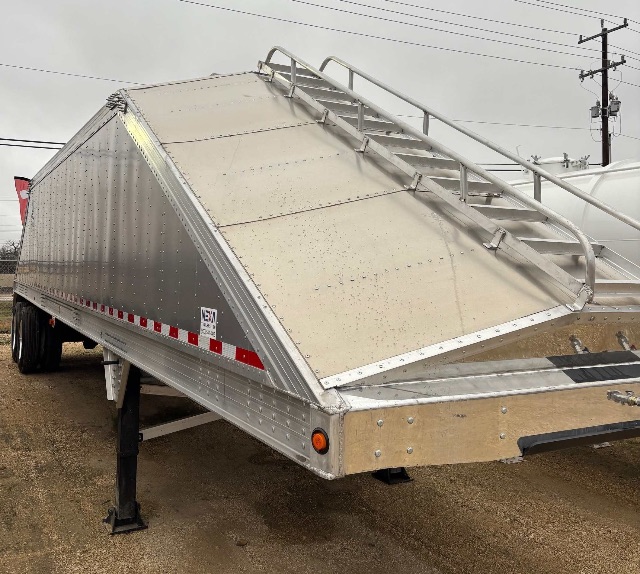
Have new aldura hopper trailer to sell? List it here to reach thousands of buyers.
About New Aldura Hopper Trailers
The first decision is usually commodity and discharge style. Some hopper trailers are set up as grain hoppers, while others are configured more specifically for sand service with bottom-drop gates and a heavier-duty floor and gate arrangement. Capacity is often measured in cubic yards or bushels depending on the application, and buyers should match trailer volume to material density, not just body size. A 40-foot hopper with a 102-inch width is a common setup, but the right choice depends on bridge laws, route conditions, and whether the trailer will stay local or run interstate. Fifth wheel height, overall height, kingpin setting, and axle spread all matter if the trailer needs to match a particular tractor or comply with regional weight distribution rules.
Running gear and unloading hardware deserve close attention on a new hopper trailer. Common specs in this segment include tandem 30,000 lb axles, air ride suspension, FMVSS-compliant air brake systems with ABS, and 24.5-inch rubber on steel wheels. Manual top and bottom gates are common because they are simple and durable, but gate opening size and seal quality matter if the trailer will handle fine materials like sand. Buyers should also look at landing gear brand, coupler construction, crossmember and subframe design, and how the electrical harness and LED lighting are protected. These are the details that affect uptime in daily loading, unloading, and washout cycles.
Aldura hopper trailers appeal to fleets and owner-operators that want a straightforward bulk hauler with a light aluminum build and standard serviceable components. If the work includes abrasive material, check floor thickness, gate wear points, and how easily the discharge system can be maintained. If the trailer will be used in ag service, pay attention to trap operation, weather sealing, and how fast it can unload at elevators or auger-fed sites. A well-matched hopper trailer should fit the commodity, the legal payload target, and the tractor it will run behind, while staying simple enough to service without extended downtime.
Frequently Asked Questions
What is an Aldura hopper trailer typically used for?
An Aldura hopper trailer in this class is typically used to haul bulk commodities that discharge through bottom openings, including sand, grain, feed, seed, and some fertilizer products. The exact use depends on gate design, body construction, and material density. Sand service usually puts more emphasis on abrasion resistance and gate sealing, while grain service focuses more on volume, clean flow, and fast unload times at elevators or auger locations.
Why choose an aluminum hopper trailer instead of steel?
Aluminum hopper trailers are popular because they reduce tare weight and improve corrosion resistance. Lower empty weight can translate into more legal payload, which is a major advantage in bulk hauling. Aluminum also holds up well in many moisture-prone environments, though buyers hauling abrasive commodities should still inspect structural design, wear areas, and floor construction because material type alone does not determine durability.
What specs matter most when comparing new hopper trailers?
The most important specs are capacity, empty weight, axle rating, suspension type, gate configuration, overall height, fifth wheel height, and kingpin setting. Buyers should also compare body material, subframe construction, brake system, tire size, and discharge opening dimensions. These specifications affect legal payload, tractor compatibility, unloading speed, and how well the trailer fits a specific commodity and route.
Are hopper trailers and grain trailers the same thing?
A grain trailer is a type of hopper trailer, but not every hopper trailer is optimized for grain. The term hopper trailer refers to the bottom-discharge design, while grain trailer usually describes a setup intended for agricultural commodities. Some hopper trailers are built for sand or heavier bulk materials and may use different floors, gate arrangements, and capacities than a traditional ag-spec grain hopper.
How do I know if a hopper trailer is suited for sand hauling?
A hopper trailer suited for sand hauling should have a body and floor design that can handle abrasive material, along with tight-sealing discharge gates and a capacity matched to the density of sand. Buyers should verify cubic-yard capacity, empty weight, axle and suspension ratings, gate dimensions, and wear-prone structural areas. Fine material exposes weak sealing surfaces quickly, so discharge hardware and maintenance access are especially important.