
Used Wilson Flatbed Trailers For Sale
Browse used Wilson flatbed trailers with insight on combo construction, axle setups, dimensions, deck specs, and freight applications.
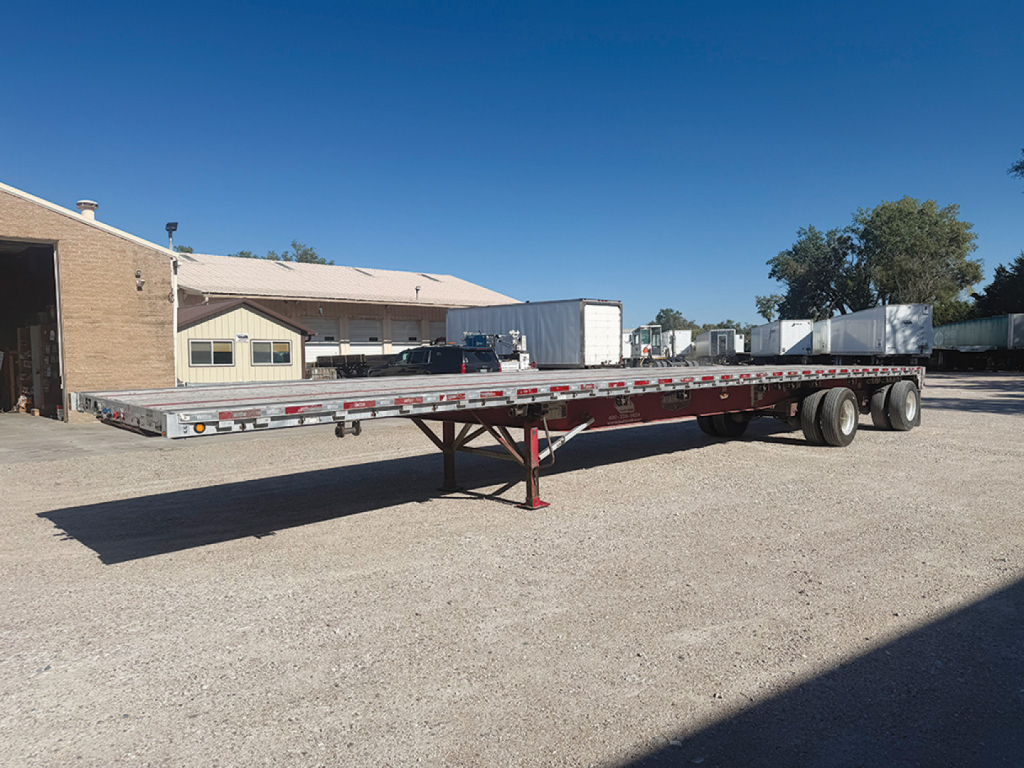

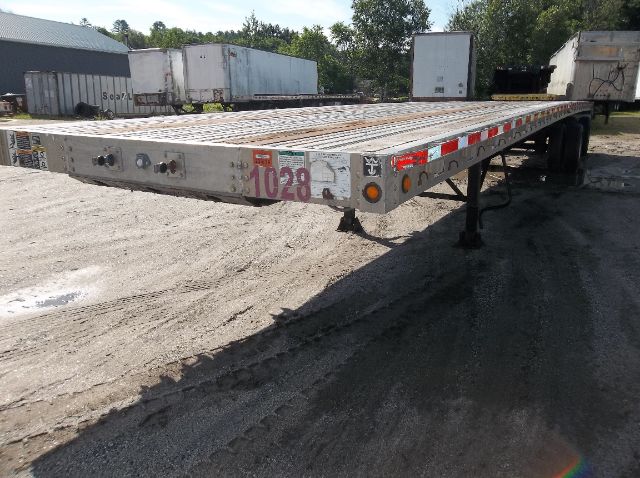

Selling a used wilson flatbed trailer? List your used wilson flatbed trailer for sale and reach thousands of commercial buyers.
Used Wilson Flatbed Trailers
A buyer comparing used Wilson flatbeds should start with the trailer’s construction type, axle layout, and deck condition. Combo units are popular because they help maximize payload while still holding up in daily loading cycles with forklifts, coils, pipe, or bundled products. Spread axle trailers are also common and can improve load distribution and bridge compliance, but they can add tire scrub in tight turns and may not suit every operating environment. Crossmember condition, deck wear, fifth wheel plate area, kingpin wear, suspension components, brake system condition, and tire size all deserve close attention on a used trailer. Many used units in this category run 22.5 low-profile tires, so ride height and replacement tire availability may factor into your decision.
Flatbed buyers should also look closely at securement and trailer usability details. Winch track placement, sliding winches, stake pockets, rub rail condition, chain spool setups, and the overall straightness of the frame matter just as much as brand name. If the trailer will haul steel, lumber, or dense freight, inspect for concentrated deck damage, bent outriggers, and signs of overloading near axle groups or landing gear. If the work is more general freight, an older Wilson flatbed can still be a strong value if the structure is straight and the brake, tire, and suspension maintenance has been kept up. Aluminum corrosion resistance is an advantage, but it does not replace a careful inspection of stress points, fasteners, and repaired sections.
For many fleets and owner-operators, a used Wilson flatbed sits in the sweet spot between payload efficiency and everyday versatility. The category appeals to buyers who need a trailer that can move between construction products, agricultural loads, crated machinery, and legal-width freight without stepping up to a specialized platform. The right used unit depends on how often it will be loaded from the side, what axle laws apply in your lanes, and how much tare weight matters against your freight mix. A well-kept Wilson flatbed with solid running gear, a sound deck, and clean structural history can remain productive for years in demanding service.
Frequently Asked Questions about Used Wilson Flatbed Trailers
What is a Wilson combo flatbed trailer?
A Wilson combo flatbed typically uses aluminum construction to reduce empty weight, with steel added in key high-wear or high-stress areas for durability. This design is popular because it helps preserve payload capacity while giving the trailer better resistance to damage around critical structural points than a light all-aluminum build alone.
What should I inspect first on a used Wilson flatbed trailer?
Start with the deck, crossmembers, kingpin area, fifth wheel plate, axle alignment, suspension, brakes, and tires. On a used flatbed, structural straightness and evidence of past overloading are more important than cosmetic appearance. Look for bent rails, damaged outriggers, uneven tire wear, cracked welds, deck soft spots, and repairs around the neck, landing gear mounts, and axle group.
Are spread axle Wilson flatbeds better than tandem axle models?
A spread axle flatbed can improve bridge compliance and help distribute weight across the load, which is useful for many legal freight applications. The tradeoff is increased tire scrub in tight turns and potentially higher tire wear in urban or confined loading environments. Tandem axle setups are generally easier to maneuver, so the better choice depends on your lanes, loading yards, and freight profile.
What freight is a used Wilson flatbed trailer commonly used for?
Used Wilson flatbeds are commonly used for lumber, steel products, machinery, building materials, palletized freight, agricultural products, and other loads that can be secured from the side or top. A standard 48-foot by 102-inch flatbed is one of the most versatile trailer formats in the market, making it a fit for both regional and over-the-road hauling.
Do tire size and deck height matter on a used flatbed?
Yes. Tire size affects ride height, deck height, replacement cost, and sometimes loading compatibility. Trailers equipped with 22.5 low-profile tires may offer advantages in deck height and freight clearance, but buyers should confirm that the setup matches their operations, maintenance preferences, and available replacement tire stock.