
Wilson Flatbed Trailers For Sale in Maine
Browse Wilson flatbed trailers for sale in Maine. Compare 48x102 setups, spread axles, aluminum combo builds, and fleet-ready hauling specs.
Learn more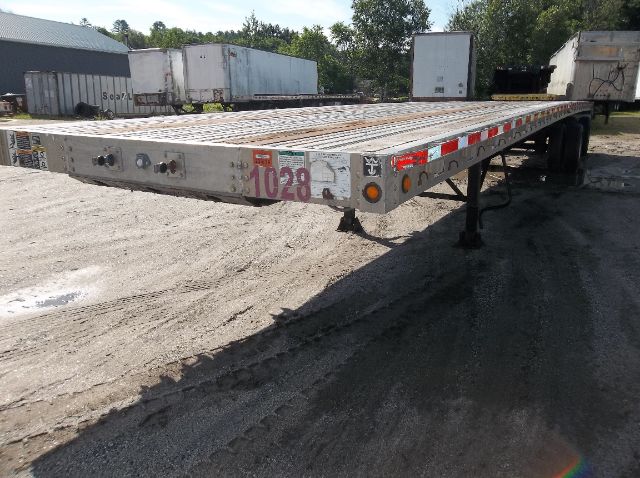
Have wilson flatbed trailer to sell? List it here to reach thousands of buyers.
About Wilson Flatbed Trailers in Maine
Axle layout is one of the first decisions that matters. A spread axle Wilson flatbed can improve weight distribution and help with heavier legal payloads, but it can also increase tire scrub in tight turns and may be less convenient in confined job sites or older yards across the Northeast. Tire size, suspension condition, brake life, and wheel-end service history deserve close attention, especially in a state where seasonal weather, road salt, and frost-heave roads can accelerate wear. Buyers should also inspect crossmembers, main rails, the rear structure, slider components if equipped, and the kingpin area for repairs, cracks, or signs of hard use.
Deck material and trailer construction affect both maintenance cost and day-to-day usability. Many Wilson flatbeds are aluminum or aluminum-steel combo units, and that lighter build can be a real advantage when every pound of payload counts. The tradeoff is that buyers should be disciplined about checking for floor damage, rub rail wear, winch track condition, and any distortion from concentrated loads such as forklifts, pipe, or machinery. Features like low-profile 22.5 tires, coil package setups, sliding winches, ratchet strap storage, and updated fifth wheel plate or kingpin components can add value depending on the freight mix.
For Maine operators, it also makes sense to think beyond the trailer's basic dimensions and focus on how it will live in your lane. A Wilson flatbed used for regional building supply runs has different priorities than one hauling steel or equipment across New England and into Quebec or the Mid-Atlantic. Look for a trailer with clean maintenance records, consistent tire wear, solid brake performance, and a deck and frame that match the type of cargo you secure every day. A good Wilson flatbed should be easy to strap, legal to load, and predictable to maintain over the long haul.
Frequently Asked Questions
What makes a Wilson flatbed trailer a strong choice for general freight hauling?
Wilson flatbed trailers are valued for light overall weight, good corrosion resistance, and durable construction that suits a broad mix of freight. Many are built with aluminum or combo designs, which can improve payload capacity compared with heavier all-steel trailers. That makes them a practical fit for lumber, palletized products, machinery, and other open-deck freight where every pound of legal payload matters.
Is a spread axle Wilson flatbed better than a tandem axle model?
A spread axle setup can offer better weight distribution and stronger legal payload performance, which is useful for heavier commodities and certain loading patterns. The tradeoff is more tire scrub in tight turns, added wear in confined yards, and possible maneuverability challenges on older job sites or narrow roads. Tandem axles are often easier to back and turn, so the right choice depends on route type, loading environment, and commodity weight.
What should I inspect first on a used Wilson flatbed trailer?
Start with the frame, crossmembers, kingpin area, suspension, brakes, tires, and wheel ends. Then inspect the deck, rub rails, winch track, rear frame, and any sliding or adjustable components for cracks, repairs, or distortion from heavy point loads. On trailers operated in Maine and the broader Northeast, corrosion exposure from winter road treatment makes understructure condition especially important.
Why do 48x102 Wilson flatbed trailers show up so often in the market?
The 48x102 size is a standard open-deck configuration because it balances cargo space, legal width, and freight compatibility across many industries. It handles common pallet footprints well and works for a wide range of construction materials, equipment, and manufactured goods. For many buyers, it is the most versatile size for regional and over-the-road flatbed work.
Do low-profile 22.5 tires matter on a flatbed trailer?
They can. Low-profile 22.5 tires may help with deck height and overall trailer stance, which can matter for load height compliance and ease of loading certain freight. Buyers should still focus more on tire condition, matching tread, wear pattern, and axle alignment than on tire profile alone, because those factors have a bigger impact on operating cost and road reliability.