
Utility Flatbed Trailers For Sale
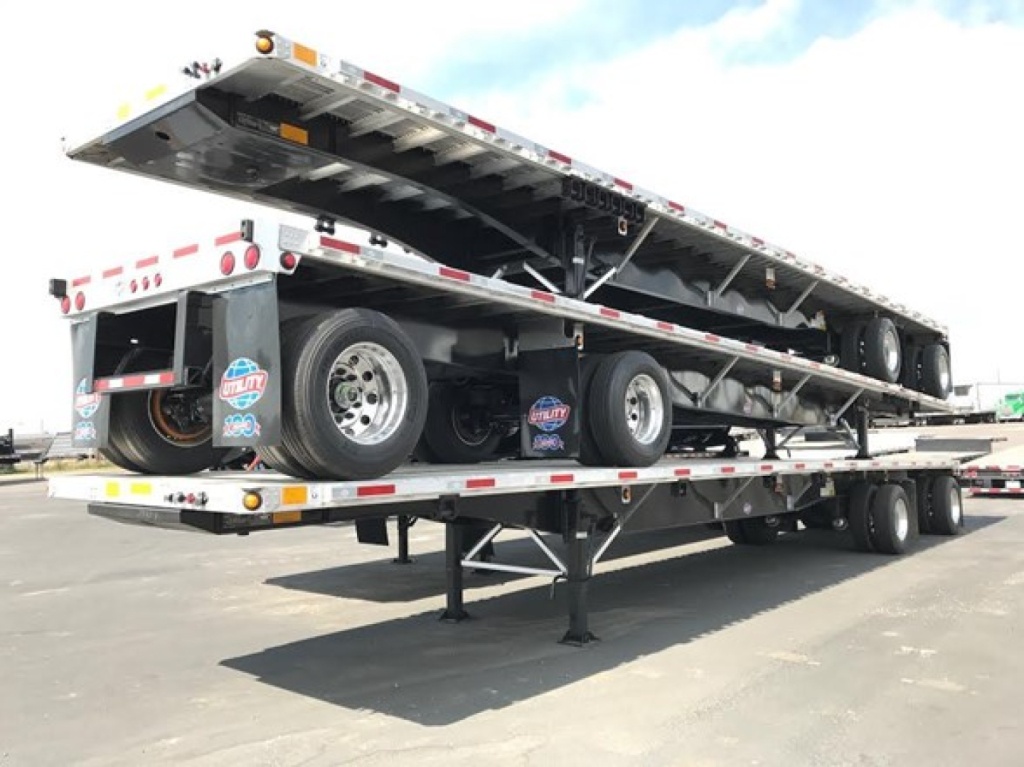
Shop Utility flatbed trailers built for steel, lumber, machinery, and general freight with combo or steel construction options.
Learn more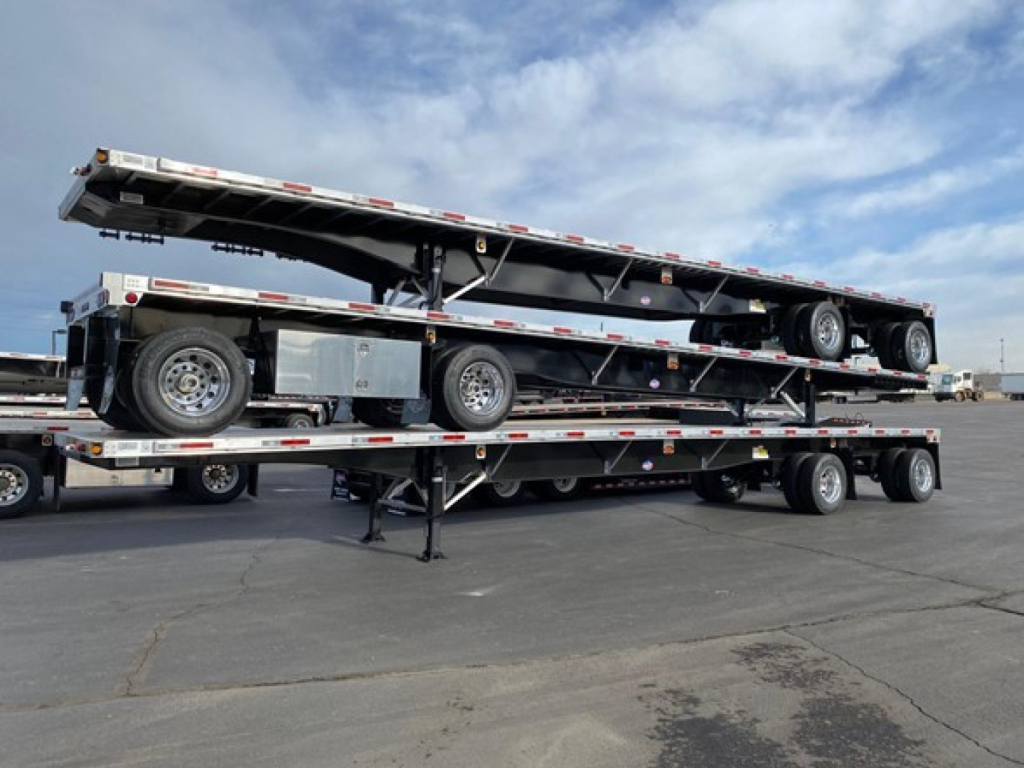
Have utility flatbed trailer to sell? List it here to reach thousands of buyers.
About Utility Flatbed Trailers
The first decision is usually deck and frame construction. A combo Utility flatbed typically appeals to fleets focused on lighter tare weight, corrosion resistance, and higher legal payload. A steel flatbed with an Apitong wood deck is often favored for harder-use applications, forklift traffic, and jobs where deck repairs need to be straightforward and cost-effective. Common lengths are 48 feet and 53 feet at 102 inches wide. Buyers should also pay close attention to axle layout. Fixed spread tandems, closed tandems, and rear slide axle setups all affect bridge compliance, California legality, turning characteristics, and how easily the trailer can be adjusted for different freight and state requirements.
Securement package matters as much as the trailer structure. Many Utility flatbeds are equipped with stake pockets, double pipe spools, sliding winches, and winch tracks on both road and curb sides. Two nail strips are common and help preserve the deck during repeated securement. A coil package is a major spec point for steel haulers, with some trailers set up for 47,000-pound concentrated coil loads. Toolboxes, ICC bumpers, air ride suspension, and 22.5 low-profile tires are also common in this category. Air ride is generally preferred for better cargo protection and ride quality, while spring ride can still make sense for operators who prioritize simplicity and lower upfront cost.
When comparing Utility flatbed trailers for sale, focus on tare weight, beam design, suspension type, axle spacing, and the exact securement hardware already installed. Check deck condition, rail condition, slider function, and tire and wheel spec if the trailer has been in service. For operations crossing multiple states, kingpin setting and axle spread can be just as important as trailer length. Utility has long been a recognized name in trailer manufacturing, and their flatbeds are typically spec'd for mainstream freight applications where durability, legal payload, and resale value all matter.
Frequently Asked Questions
What is the difference between a Utility combo flatbed and a full steel flatbed?
A Utility combo flatbed typically uses steel main beams with aluminum crossmembers, deck, and rails. That reduces tare weight and helps maximize payload while still keeping structural strength in the main frame. A full steel flatbed is generally heavier but can be a strong fit for severe-duty use, repeated forklift loading, and buyers who prefer the repairability and feel of a steel trailer with a wood deck such as Apitong.
What lengths are most common for Utility flatbed trailers?
The most common Utility flatbed lengths are 48 feet and 53 feet, usually at 102 inches wide. A 48-foot trailer remains a standard choice for general flatbed freight and many regional applications. A 53-foot flatbed offers more deck space and can be the better option for longer freight, but axle configuration and state regulations become more important when maximizing legal payload and bridge compliance.
Why is a coil package important on a flatbed trailer?
A coil package is designed for hauling concentrated steel coil loads safely. It usually includes reinforced flooring or framing in the coil area and is rated for a specified concentrated weight, often around 47,000 pounds on trailers in this class. If steel products are part of the freight mix, a true coil package is a key spec because it affects load placement, trailer durability, and legal, safe operation under heavy concentrated cargo.
Should I choose air ride or spring ride on a Utility flatbed trailer?
Air ride is the more common choice for many fleets because it provides a smoother ride, helps protect cargo, and is often preferred for higher-value or more damage-sensitive freight. Spring ride is simpler and can cost less upfront, which may appeal to buyers focused on basic general freight or lower acquisition cost. The right choice depends on lane conditions, cargo type, maintenance preference, and how often the trailer will be loaded near capacity.
What securement features should I look for on a Utility flatbed?
Most buyers should look for a complete securement package that matches the freight they haul every week, not just occasionally. Useful features include stake pockets, sliding winches, winch tracks on both sides, double pipe spools, nail strips, and a properly spec'd coil package if steel is involved. A trailer already equipped with the right securement hardware can reduce setup costs, improve loading efficiency, and make the trailer more versatile across different types of open-deck freight.