
Used Utility Flatbed Trailers For Sale
Browse used Utility flatbed trailers with details on 48' x 102" specs, combo vs steel construction, axle setups, deck types, and securement features.
Learn more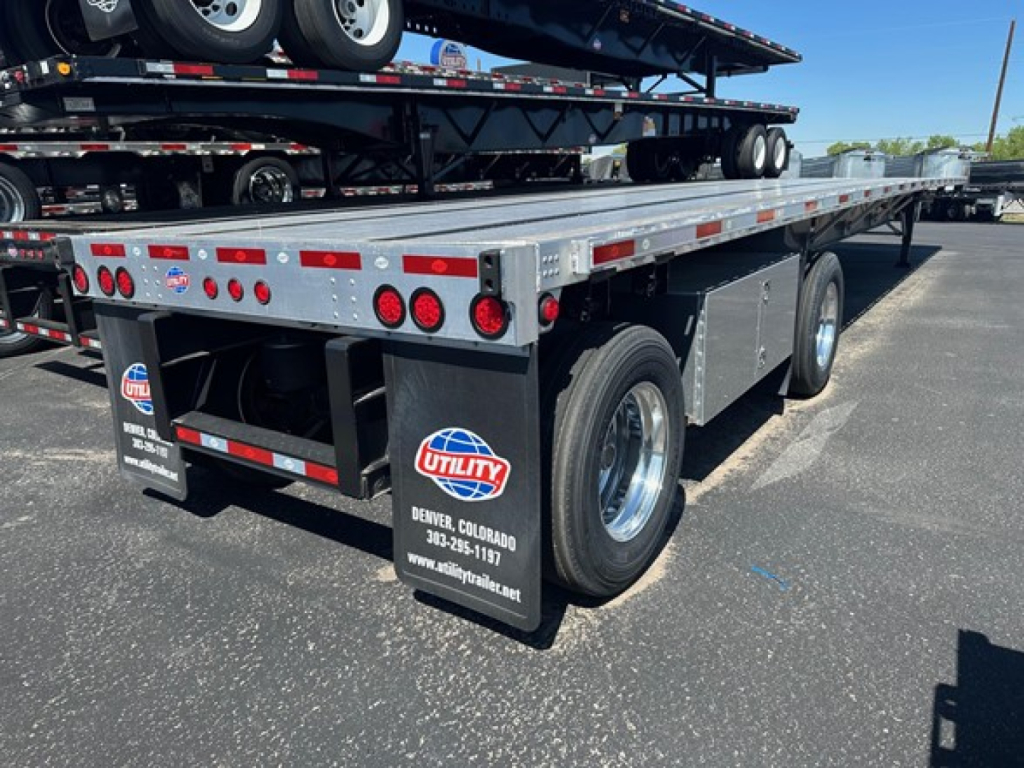
Showing 13 to 16 of 16 results
Have used utility flatbed trailer to sell? List it here to reach thousands of buyers.
About Used Utility Flatbed Trailers
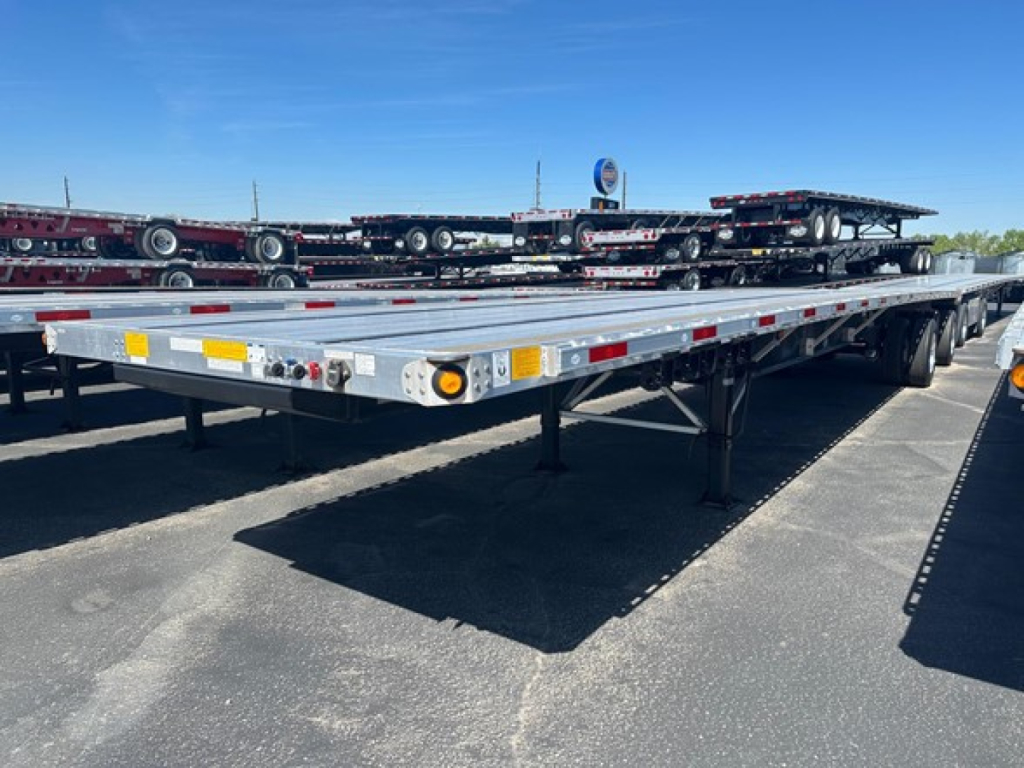
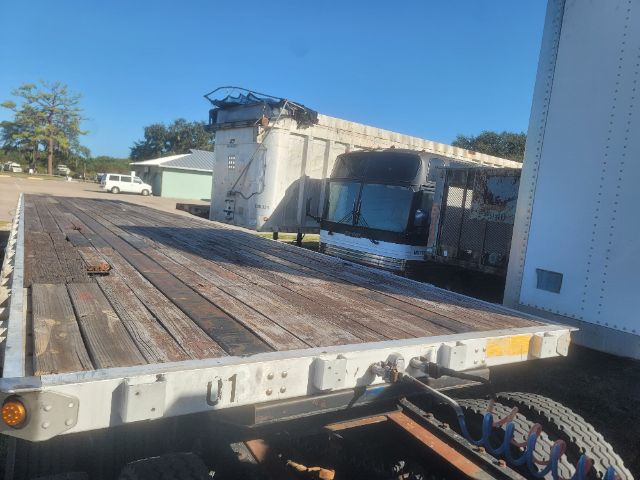
A buyer should look closely at deck design and securement equipment first. Aluminum decks and Apitong wood decks both show up regularly in Utility flatbeds, and each serves a different operation. Wood decks are familiar, easier to replace board by board, and often preferred for certain machinery or construction loads. Aluminum deck systems can help lower empty weight but should be checked carefully for wear, damage, and past repairs. Stake pockets, sliding winches, pipe spools, nail strips, coil packages, and tool boxes are all practical indicators of how the trailer was spec'd for real freight. A coil package is especially important if steel coils are part of the lane mix, since proper load positioning and securement are critical to safety and axle compliance.
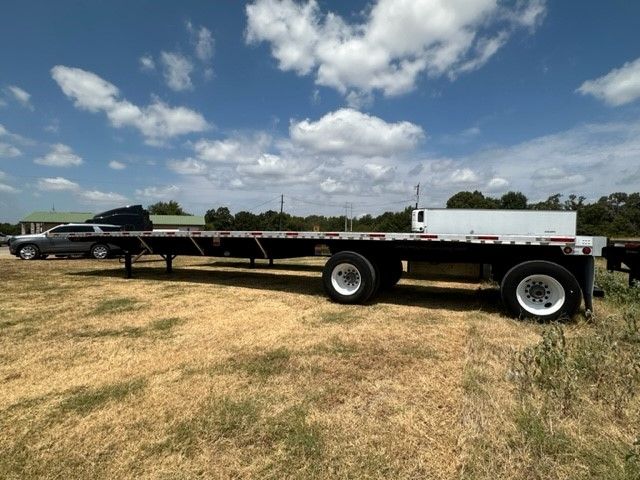
Suspension and axle layout will affect both maintenance cost and operational flexibility. Used Utility flatbeds in this class commonly appear with fixed spread axles on air ride or with a closed tandem and slider, sometimes on spring ride. A fixed spread air ride trailer can offer good ride quality and can be attractive in applications where bridge law and weight distribution favor a spread setup, but it gives up some maneuverability in tight yards and urban deliveries. A sliding tandem is more versatile for states with varying axle regulations and for operations that need to fine-tune kingpin settings and axle placement by load. Tire size, wheel material, brake condition, and overall alignment should all be inspected because they directly affect tire life, tracking, and operating cost.
On a used Utility flatbed, condition matters more than age alone. Pay attention to main beam integrity, crossmember condition, deck wear, rail damage, landing gear operation, suspension wear points, and signs of concentrated loading around the coil area or forklift contact points. Buyers should also check for corrosion at mixed-metal interfaces on combo trailers, verify that winch tracks and stake pockets are not distorted, and confirm the trailer's actual tare weight if payload is a key factor. Utility has long been a recognized name in the trailer market, and a well-maintained used flatbed from this brand can be a practical choice for fleets and owner-operators who need a standard open-deck trailer with familiar parts, strong resale appeal, and specifications that line up with common freight demands.
Frequently Asked Questions
What is the most common size for a used Utility flatbed trailer?
The most common size is 48 feet long by 102 inches wide. That configuration works for a wide range of legal open-deck freight and remains the standard for many flatbed operations. It gives enough deck length for bundled building materials, steel products, palletized cargo, and machinery while staying compatible with common routing, customer facilities, and securement practices.
What is the difference between a combo Utility flatbed and a steel Utility flatbed?
A combo flatbed usually has steel main beams with aluminum components such as the deck, crossmembers, or side rails. The goal is lower tare weight and better payload capacity. A steel flatbed is heavier but may be preferred in severe-duty service because many shops find steel simpler to repair. The right choice depends on freight type, payload priorities, corrosion exposure, and how the trailer will be maintained over time.
Is a spread axle or sliding tandem better on a used flatbed trailer?
Neither is automatically better. A fixed spread axle setup can work well for weight distribution and often rides well when paired with air suspension, but it can be less maneuverable and more restrictive in some operating environments. A sliding tandem offers more flexibility for state bridge laws, kingpin-to-rear-axle adjustment, and varying freight positions. Buyers should match the axle setup to their lanes, customer yards, and freight profile rather than choosing by habit alone.
What features should I look for on a used Utility flatbed if I haul steel or machinery?
Look for stake pockets, sliding winches, pipe spools, a sound deck surface, and a coil package if coils are part of the operation. Tool boxes are useful for storing chains, binders, straps, edge protection, and tarping gear. For machinery or concentrated loads, inspect the main beams, crossmembers, and deck closely for repairs, cracking, or deformation. Securement equipment should be straight, usable, and positioned to support real-world loading patterns.
What should be inspected first on a used Utility flatbed trailer?
Start with the structural areas that are expensive to correct. Inspect the main beams, crossmembers, side rails, suspension mounting points, landing gear, and deck condition. Then check winch tracks, stake pockets, axle alignment, brakes, tires, wheels, and signs of corrosion or impact damage. On combo trailers, inspect for galvanic corrosion where steel and aluminum components meet. A used flatbed can look acceptable from a distance but still have wear issues that affect safety, payload, or long-term maintenance cost.