
Utility Flatbed Trailers For Sale in Colorado
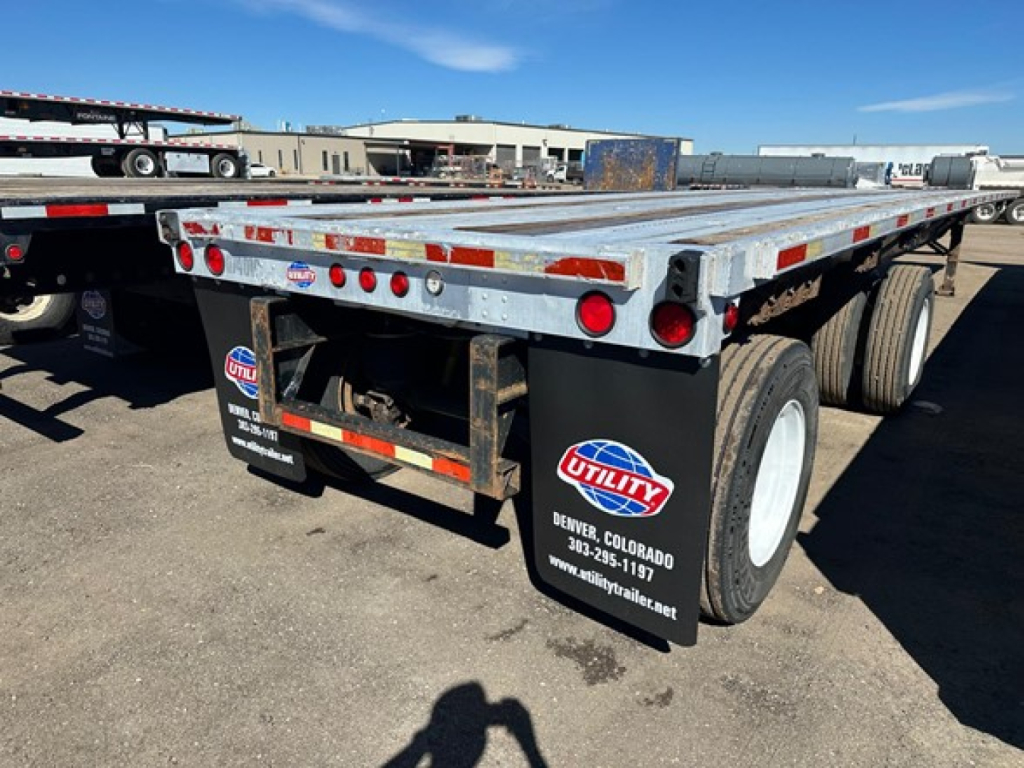
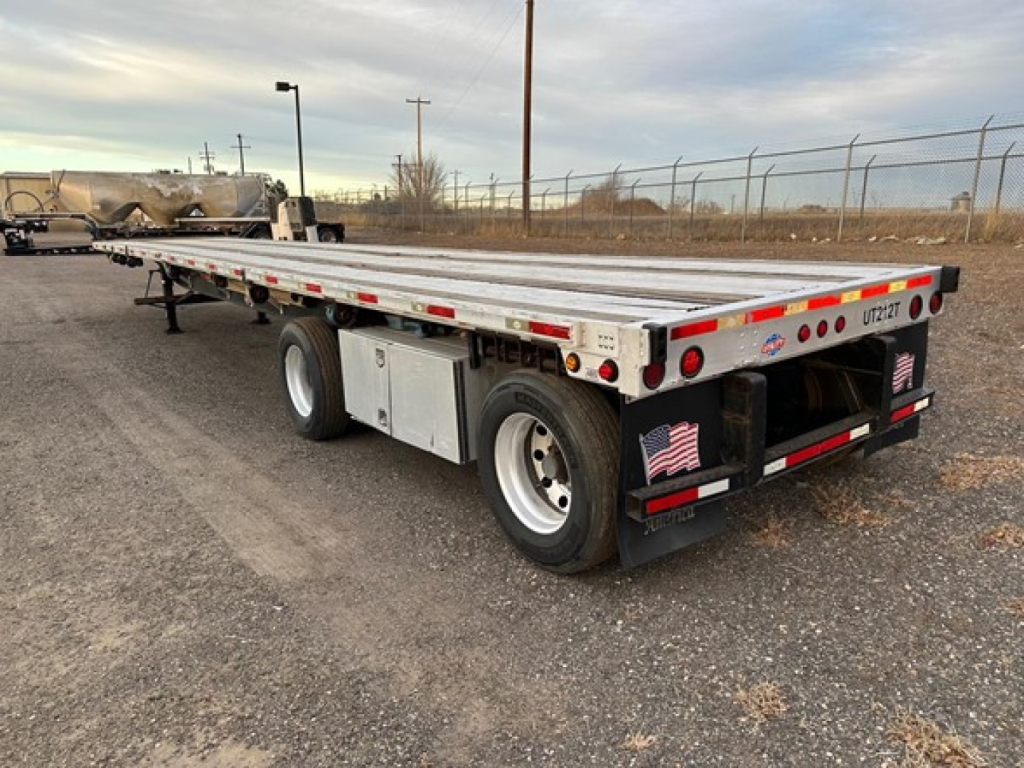
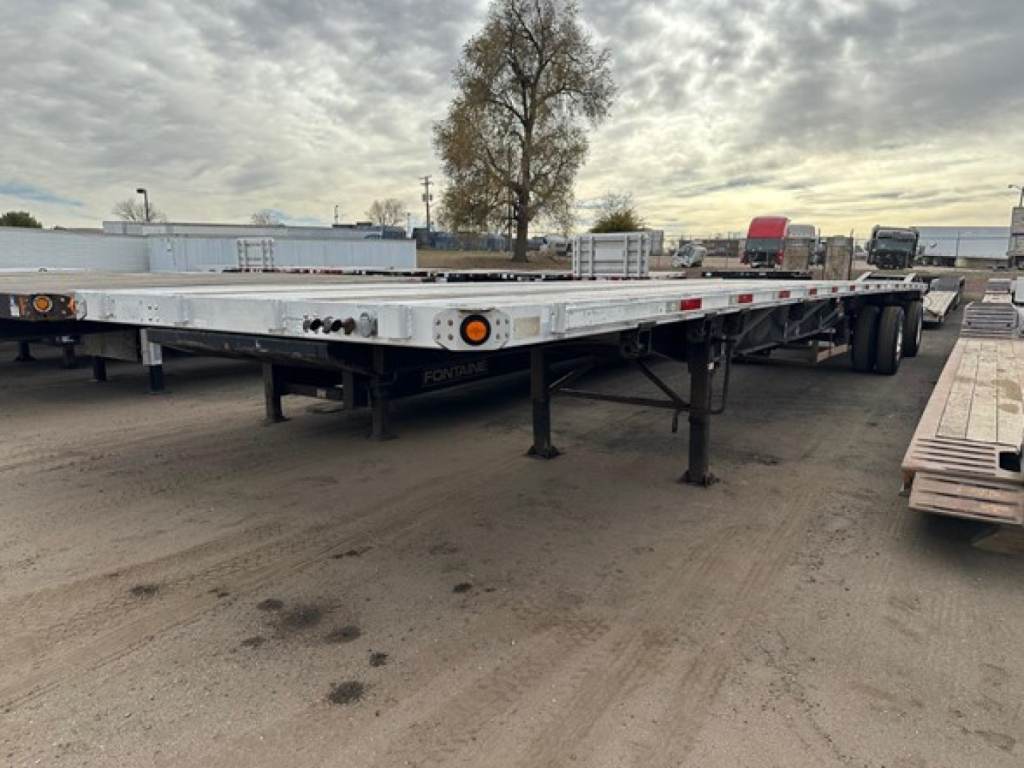
Shop Utility flatbed trailers with combo construction, spread air ride, coil packages, sliding winches, and 48' to 53' deck options.
Learn more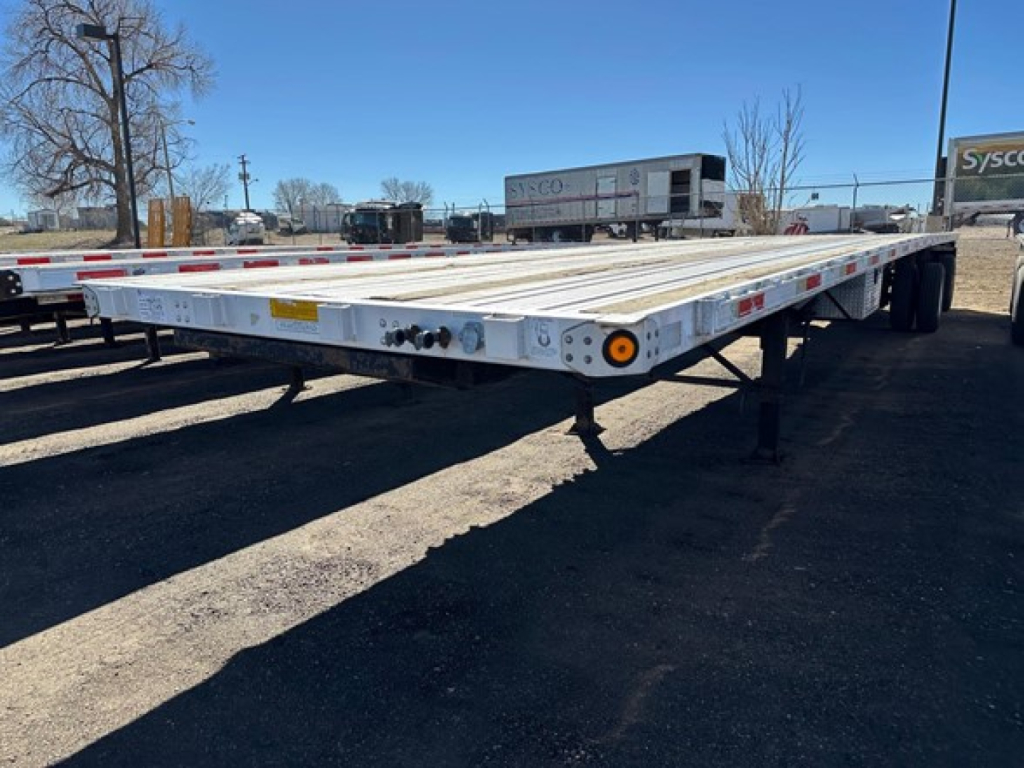

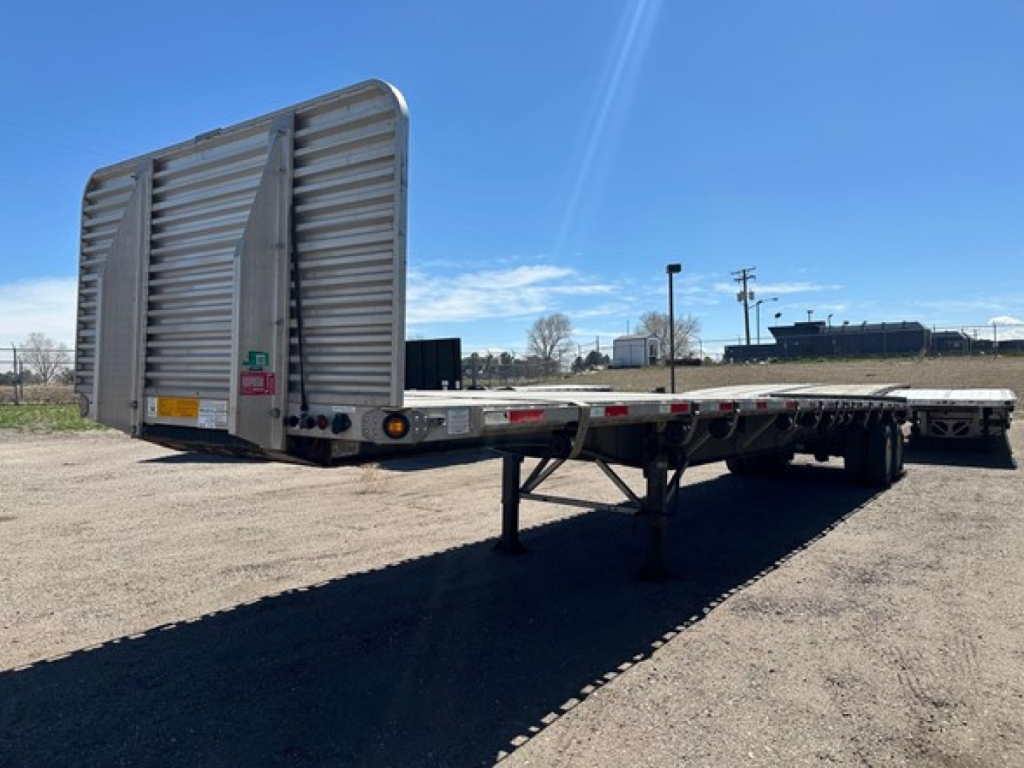
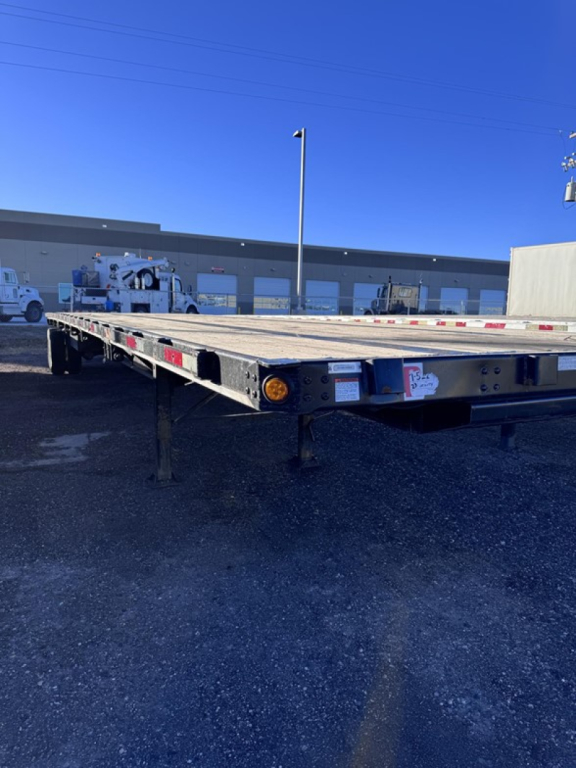
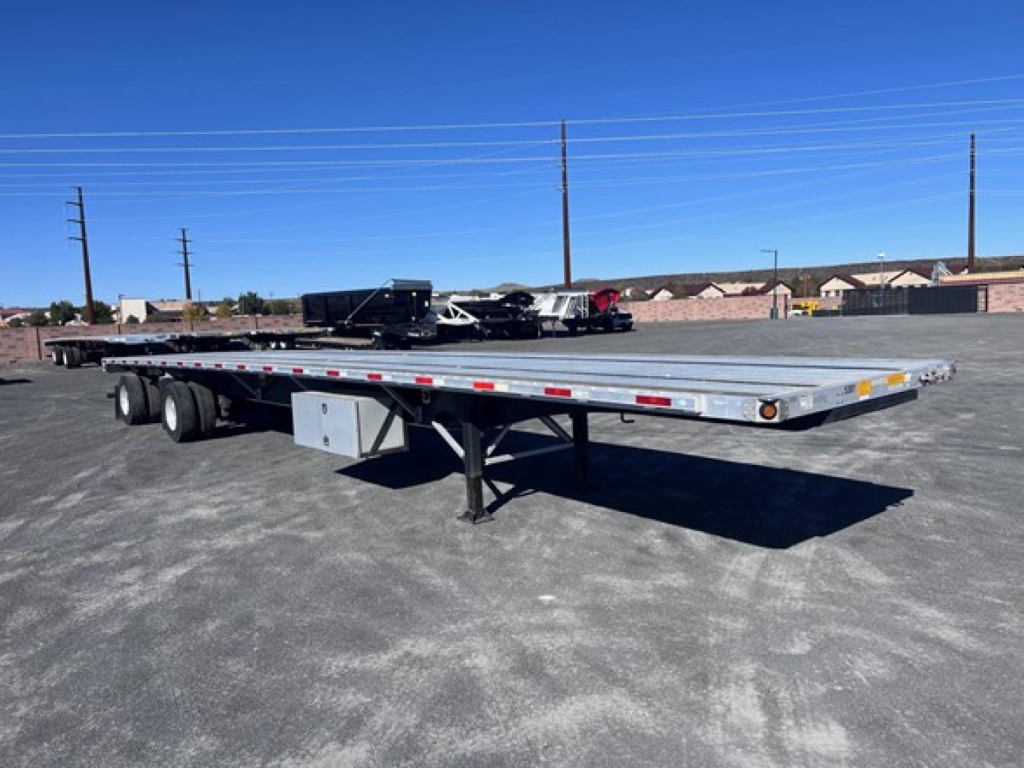
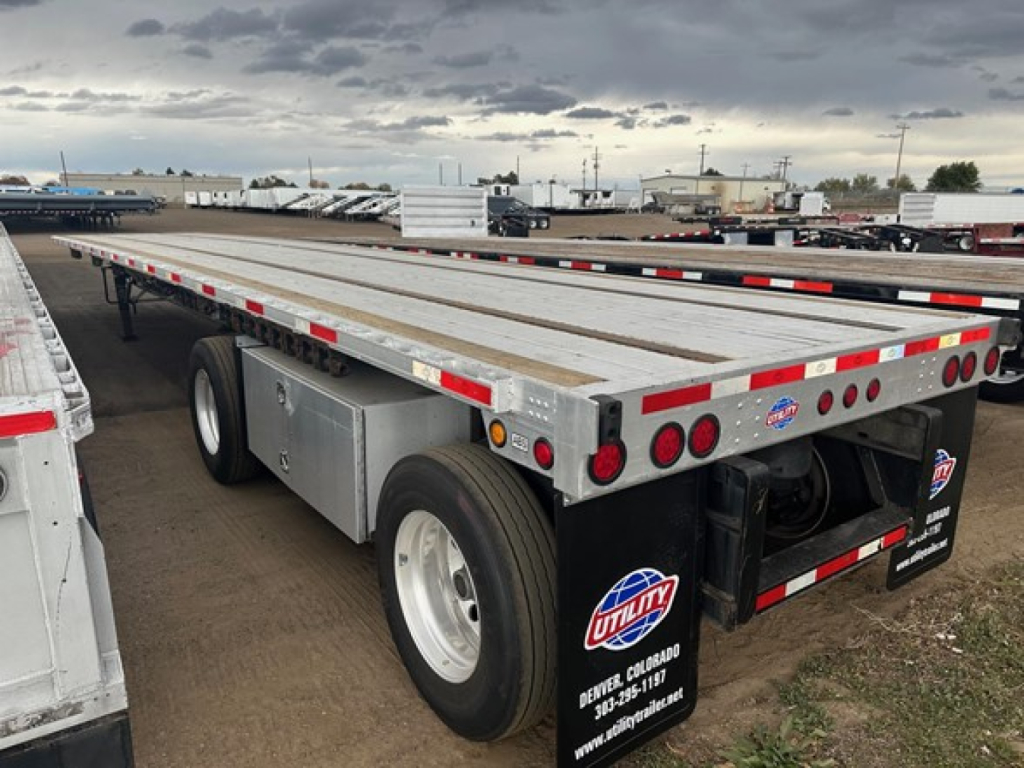
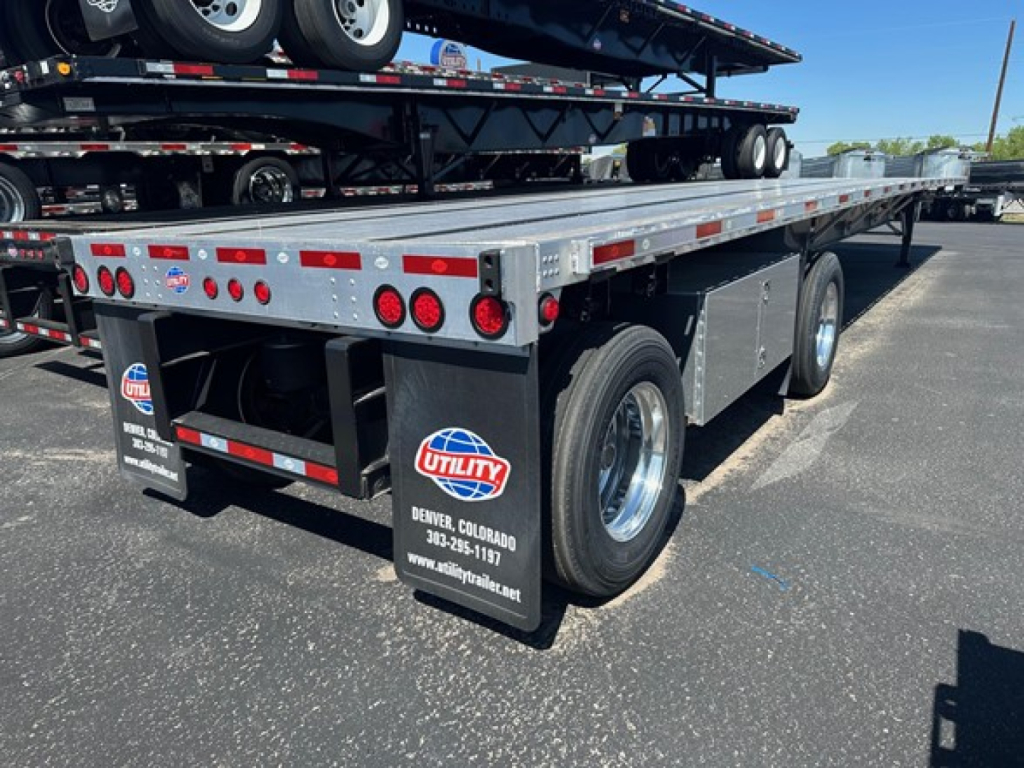
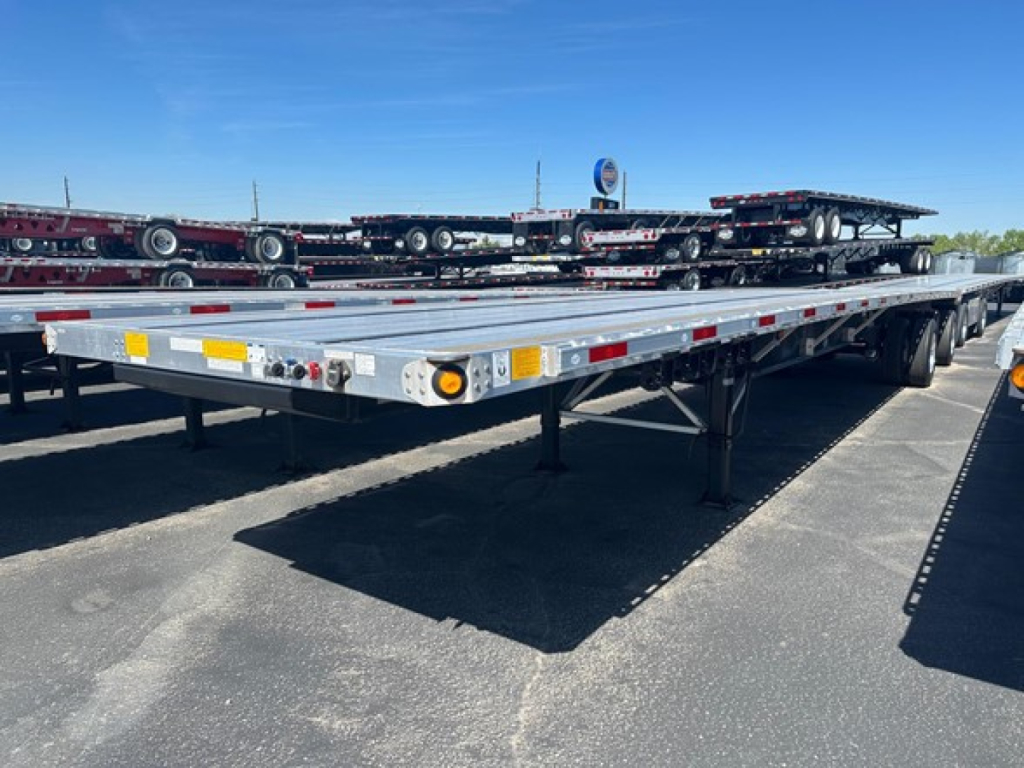
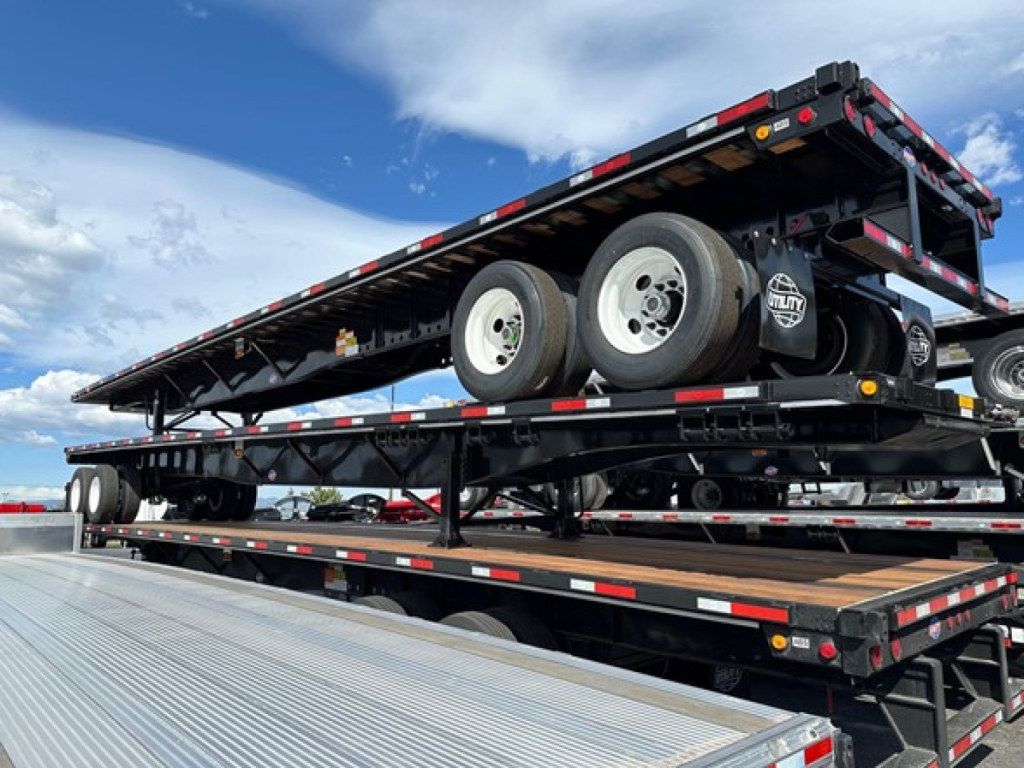
Showing 1 to 12 of 18 results
Have utility flatbed trailer to sell? List it here to reach thousands of buyers.
About Utility Flatbed Trailers in Colorado
For many buyers, the spec sheet matters more than the badge. A serious Utility flatbed usually includes stake pockets, sliding winches, pipe spools, nail strips, and often winch track on one or both sides. Coil packages are especially important if the trailer will touch steel service, and many Utility flats in the market are set up for 47,000-pound concentrated coil loads. Aluminum floors help keep weight down, while combo designs with steel beam structure hold up well in mixed freight service. Tire size, wheel material, and axle spacing also affect usable payload, maintenance cost, and how the trailer performs across state bridge laws.
In Colorado and across the Mountain West, spread air ride is a strong fit for fleets running building materials, machinery, palletized freight, pipe, and steel. Air ride helps protect higher-value cargo and improves handling on uneven secondary roads, while dump valves can help in slick yard conditions or during tight maneuvering. Fixed spread setups are common, but buyers should still confirm axle placement, kingpin setting, and rear swing for the lanes and customer yards they run most. A lighter trailer can add revenue on dense freight, but the right securement package is what keeps a trailer versatile day after day.
Condition and age matter, but spec discipline matters more. On a used Utility flatbed, inspect the floor, crossmembers, main beams, side rails, winch track, suspension, and tire wear pattern before focusing on cosmetics. Check for damage around coil wells, spool mounts, and stake pockets if the trailer has seen steel freight. On newer models, compare tare weight against features like tool boxes, aluminum wheels, and full securement packages. A well-spec'd Utility flatbed trailer, also known simply as a flatbed trailer or open-deck trailer, can cover a broad mix of freight with fewer compromises than many specialized trailer types.
Frequently Asked Questions
What are the most common specs on a Utility flatbed trailer?
Many Utility flatbed trailers are spec'd as 48-foot or 53-foot by 102-inch combo trailers with steel main beams, aluminum crossmembers, aluminum decking, and air ride spread axles. Common freight-control features include stake pockets, sliding winches, pipe spools, nail strips, and winch tracks. Coil packages are also common on this brand and are important for buyers hauling steel coils or other concentrated loads.
What is a combo flatbed trailer, and why do buyers want one?
A combo flatbed uses a mix of steel and aluminum, usually steel for the main structure and aluminum for crossmembers, floor, and rails. Buyers choose this design because it keeps tare weight lower than an all-steel trailer while maintaining the strength needed for general freight and steel service. That balance can improve payload without giving up durability in the areas that take the most stress.
Is spread axle air ride a good choice for flatbed work in Colorado?
Spread axle air ride is a strong choice for many Colorado operations because it adds stability, rides better with sensitive freight, and often helps with bridge distribution. It can be especially useful on mixed routes that include interstate miles, mountain corridors, and rougher customer access roads. Buyers should still verify axle spread, turning requirements, and local operating conditions, since spread setups can be less forgiving in tight urban yards than closer tandem configurations.
Why is a coil package important on a flatbed trailer?
A coil package allows the trailer to handle concentrated steel coil loads safely by reinforcing the trailer for that application and providing the proper load placement area. Even if steel is not the only freight being hauled, a coil-rated trailer gives a carrier more flexibility in the open-deck market. Buyers should confirm the actual coil rating, deck configuration, and securement layout instead of assuming every flatbed is equally suited for concentrated loads.
What should I inspect first on a used Utility flatbed trailer?
Start with the structural and wear items that affect safety, maintenance, and payload. Look closely at the main beams, crossmembers, aluminum floor, side rails, suspension components, wheel ends, and tire wear. Then inspect stake pockets, winch tracks, pipe spools, and any coil-area reinforcement for cracking, bending, or heavy wear, since these areas often show how the trailer was used and how much life is left in the securement system.