
Transcraft Flatbed Trailers For Sale
Browse Transcraft flatbed trailers with specs on combo and steel builds, axle setups, deck materials, tie-down options, and hauling applications.
Learn more
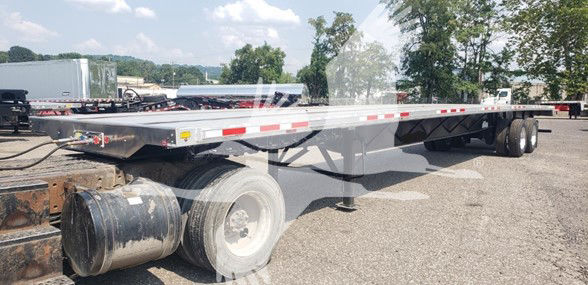
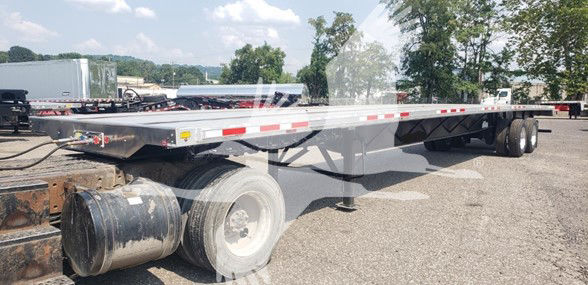
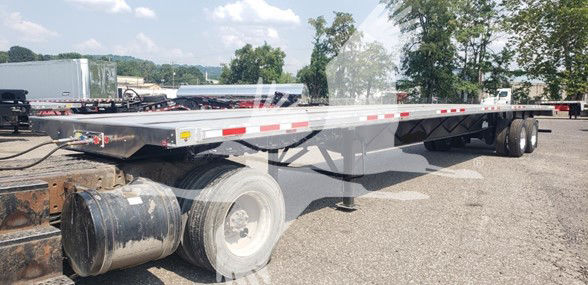
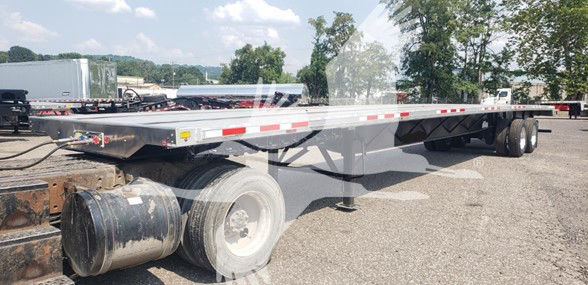
Showing 13 to 18 of 18 results
Have transcraft flatbed trailer to sell? List it here to reach thousands of buyers.
About Transcraft Flatbed Trailers
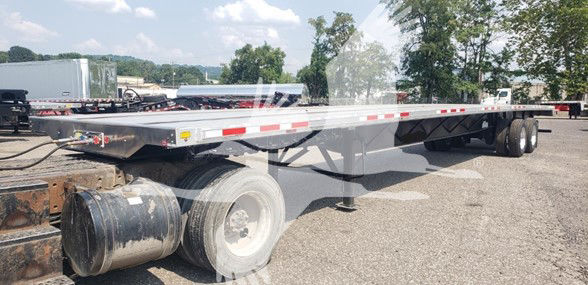
The most important buying decision is usually deck and securement setup. Many Transcraft flatbeds are equipped with apitong or aluminum floors, nail strips, stake pockets, pipe spools, sliding winches, and winch tracks. A coil package is a major advantage if you haul steel coil, and buyers should confirm the trailer’s beam rating, crossmember spacing, and concentrated load capacity if that is part of the freight mix. Side rail construction, number of winches, and tie-down layout affect how efficiently drivers can secure lumber, palletized freight, pipe, or fabricated steel. If the trailer will run in California or other length-sensitive markets, axle placement and kingpin setting deserve close attention because they directly affect bridge law compliance and legal loading flexibility.
Suspension and axle configuration also shape how a Transcraft flatbed works in day-to-day service. Air ride is common and preferred for protecting cargo and improving ride quality, but buyers should still check suspension condition, slider operation, and alignment history on used units. Spread axle trailers can offer bridge advantages and weight distribution benefits, while sliding tandems give more flexibility at docks and in regional freight operations. Tire size, wheel type, landing gear brand, mud flap brackets, and rear light package are not small details on a flatbed. They affect maintenance cost, roadside serviceability, and uptime across long-haul lanes.
Used Transcraft flatbed trailers can vary widely in age, deck condition, and original spec, so inspection should focus on the areas that carry the load and absorb the abuse. Look closely at the main beams, crossmembers, side rails, floor wear, suspension hangers, and slider rails. Check for repairs around stake pockets, winch track mounting points, rear frame sections, and the kingpin area. On combo units, pay attention to corrosion where steel and aluminum components meet. A well-spec'd Transcraft flatbed can serve a broad freight mix, but the best trailer for your operation is the one with the right deck material, securement package, axle spread, and weight profile for the lanes you actually run.
Frequently Asked Questions
What is the difference between a Transcraft combo flatbed and a Transcraft steel flatbed?
A Transcraft combo flatbed typically uses steel main beams with aluminum components such as the deck, side rails, or other structural parts to reduce empty weight. That lower tare weight can improve payload for operations hauling dense freight. A steel flatbed is generally heavier but is often favored for durability, repair simplicity, and demanding service where the trailer sees frequent loading damage, forklift traffic, or rougher jobsite conditions.
What length and axle setups are common on Transcraft flatbed trailers?
The most common configurations are 48-foot and 53-foot flatbeds in 102-inch width. Tandem axle layouts are standard, with buyers often seeing sliding tandems, spread axles, or rear slide axle setups. A sliding tandem offers flexibility for loading and dock access, while spread and slider configurations can help with bridge law compliance and weight distribution depending on the states and freight involved.
What securement features should I look for on a used Transcraft flatbed trailer?
Key securement features include stake pockets, sliding winches, winch tracks, pipe spools, nail strips, and a coil package if steel hauling is part of the operation. The right setup depends on the freight. Lumber and palletized freight benefit from a practical winch and strap layout, while steel, pipe, and machinery loads often require stronger concentrated load support and more versatile tie-down points. Buyers should also inspect side rails and winch track areas for damage or repairs.
Are Transcraft flatbed trailers good for heavy steel or coil hauling?
They can be, but the exact trailer spec matters more than the brand name alone. For steel or coil work, buyers should verify beam rating, crossmember spacing, floor condition, coil package equipment, and overall structural integrity. A trailer built for general commodity freight may not be the best choice for concentrated heavy loads. If coil hauling is regular work, the trailer should have the proper load support and securement package from the start.
What should I inspect first on a used Transcraft flatbed?
Start with the main beams, crossmembers, floor, side rails, suspension, and axle slider assembly because those areas determine load support, legal operation, and repair cost. Then inspect the kingpin area, landing gear mounts, rear frame, lights, brakes, tires, and wheels. On combo trailers, check carefully for galvanic corrosion and previous repairs where steel and aluminum meet. A used flatbed may look serviceable at a glance, but deck wear, rail damage, and suspension issues are what usually separate a strong trailer from an expensive reconditioning project.