
Used Reitnouer Flatbed Trailers For Sale
Browse used Reitnouer flatbed trailers built for lightweight payloads, strong load ratings, and efficient aluminum performance.
Learn more
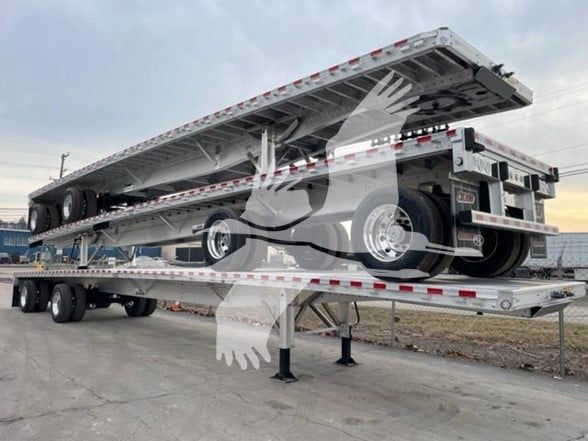
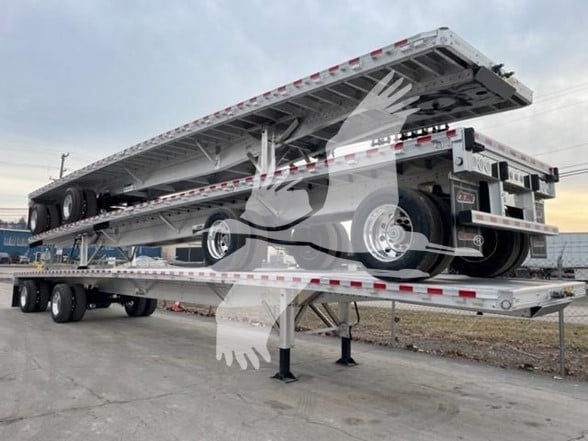
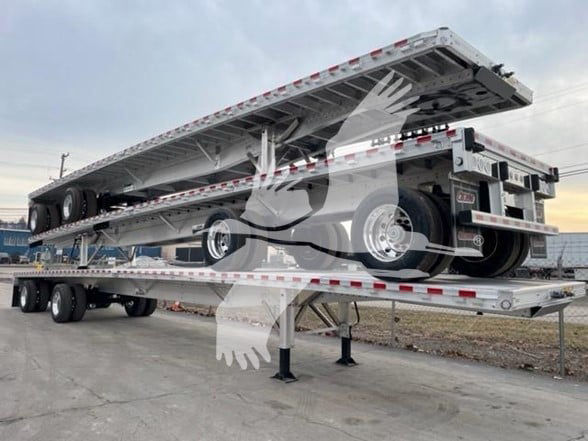
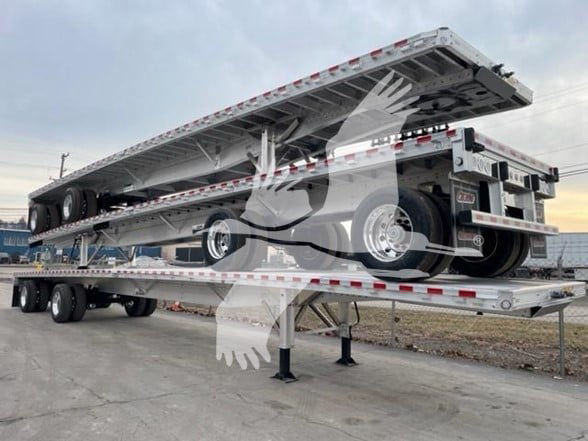
Showing 61 to 72 of 79 results
Have used reitnouer flatbed trailer to sell? List it here to reach thousands of buyers.
About Used Reitnouer Flatbed Trailers
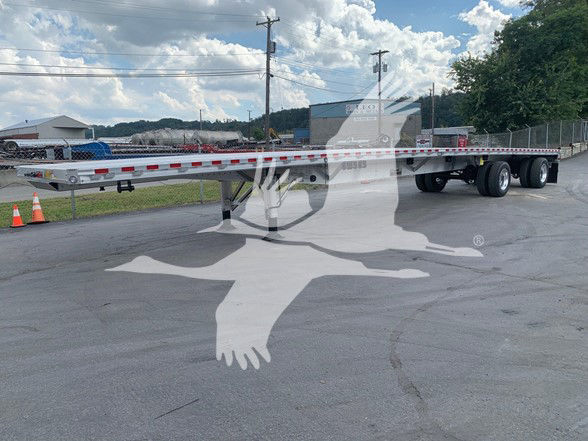
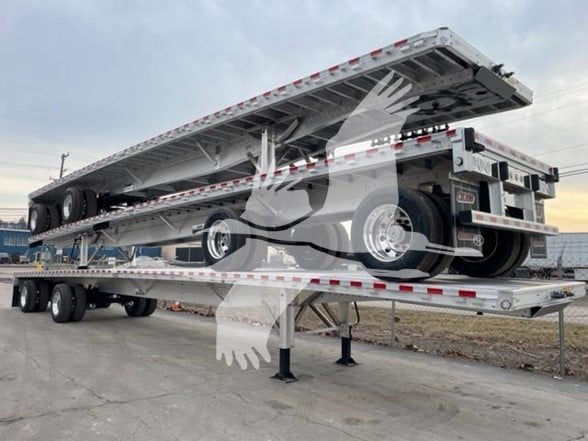
A lot of buyers start with deck and running gear specs, and that is the right place to begin. Many used Reitnouer flatbeds are 48 feet long and 102 inches wide, with tandem axles, air ride suspension, and a 30-inch kingpin setting. Common configurations include aluminum floors, aluminum side rails, aluminum front and rear members, and 15-inch crossmember centers. That combination is designed to keep the trailer light while still supporting concentrated loads. Some trailers also include mini coil packages with additional crossmembers for steel coils or denser freight. If your freight mix includes coils, pipe, crated machinery, or mixed LTL flatbed work, check the load rating in 4 feet and 10 feet, crossmember spacing, winch track layout, and whether the trailer has the securement setup your operation actually uses.
Securement and serviceability matter just as much as base construction. Used Reitnouer flatbeds often show up with curbside or both-side winch tracks, sliding winches, pipe spools, nailing strips, toolboxes, and Jost two-speed landing gear. Buyers should verify how the trailer is equipped versus how it will be loaded day to day. A trailer set up for strap freight may need changes if your freight is chain-heavy, and some lightweight aluminum flatbeds are spec'd differently around tiedowns, spool arrangements, or deck accessories. Suspension brand and axle setting also deserve a close look because they affect weight distribution, bridge compliance, and ride quality. Features like Hendrickson Intraax air ride, disc brakes, tire inflation systems, dump valves, and aluminum wheels can add operating value, but condition is everything on a used trailer.
The smartest way to evaluate a used Reitnouer flatbed is to focus on structural condition first, then wear items. Inspect the aluminum deck, side rails, crossmembers, and neck area for signs of overload stress, repairs, or corrosion-related damage from mixed-metal contact. Check suspension components, brake type and remaining life, tire condition, wheel condition, lighting, and landing gear operation. Confirm the kingpin area and slider-related mounting points are sound if equipped. Reitnouer trailers have a strong following because they are lightweight, practical, and widely accepted across general flatbed applications, but the right trailer still comes down to deck spec, concentrated load capability, and how closely the trailer matches your freight profile.
Frequently Asked Questions
What are the main advantages of a used Reitnouer flatbed trailer?
The main advantages are low tare weight, solid payload potential, and a design that is well known in general flatbed service. Reitnouer trailers are typically all-aluminum, which helps reduce empty weight compared with many steel-based trailers. That matters to buyers hauling weight-sensitive freight because a lighter trailer can increase legal payload and improve efficiency. On the used market, Reitnouer is often attractive to fleets that want a recognizable aluminum flatbed with broad resale appeal.
What specs should I check first on a used Reitnouer MaxMiser?
Start with trailer length, width, axle count, suspension type, kingpin setting, crossmember spacing, and published load ratings. Then look at deck material, nailing strips, winch track placement, number of sliding winches, and any coil package or extra crossmembers. These details determine how well the trailer handles your freight. A 48-foot by 102-inch aluminum flatbed with tandem axles and air ride is common, but the exact securement setup and concentrated load capacity are what separate a good match from a poor one.
Are used aluminum flatbed trailers durable enough for heavy freight?
Yes, if the trailer is correctly spec'd and in sound structural condition. Aluminum flatbeds are widely used for heavy and dense commodities, but buyers need to match the trailer's crossmember spacing, deck design, and concentrated load ratings to the actual freight. A lightweight trailer is not automatically a light-duty trailer. The key is to inspect the frame structure, deck, side rails, and high-stress areas carefully and confirm the trailer has not been overstressed or improperly repaired.
Why do coil packages and crossmember spacing matter on a flatbed trailer?
Coil packages and tighter or reinforced crossmember layouts help the trailer handle concentrated weight over a smaller footprint. That matters for steel coils, machinery, and other dense freight that can overstress a standard deck if the trailer is not built for it. A used Reitnouer with a mini coil package and additional crossmembers may be more versatile for heavier commodity work. Buyers hauling mixed freight should verify both the 4-foot and 10-foot load ratings before making a decision.
What should I inspect most carefully on a used Reitnouer flatbed?
Pay closest attention to the aluminum structure, especially the deck, crossmembers, side rails, neck, kingpin area, and suspension mounting points. Also inspect brakes, tires, wheels, lights, winch tracks, landing gear, and any tire inflation or dump valve systems. On a used flatbed, condition tells the story more than brand alone. Signs of cracking, poor weld repairs, deck damage, or uneven suspension wear can be more important than the trailer's age.