
Manac Flatbed Trailers For Sale
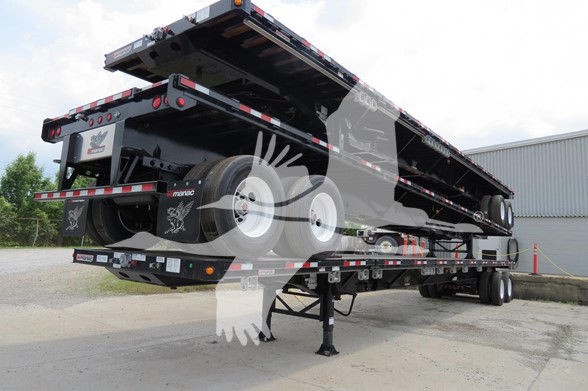
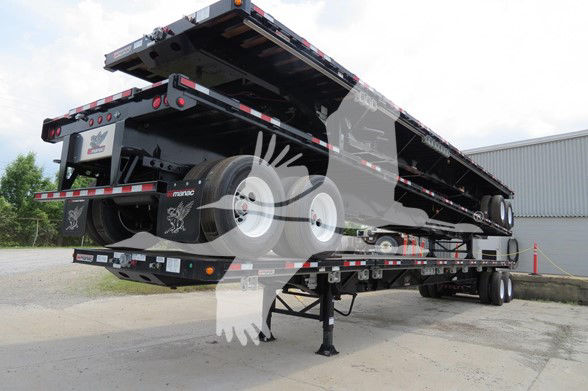
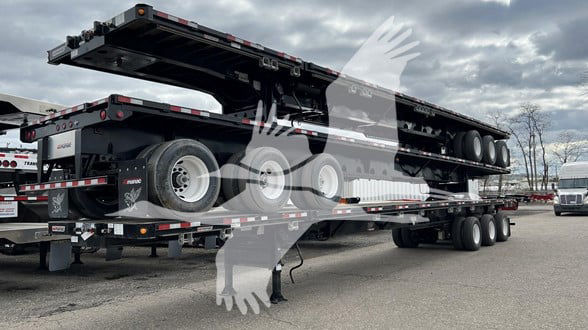
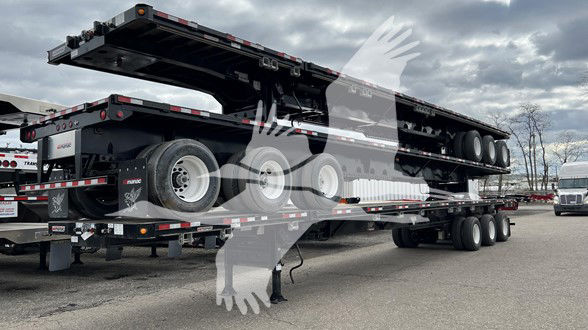
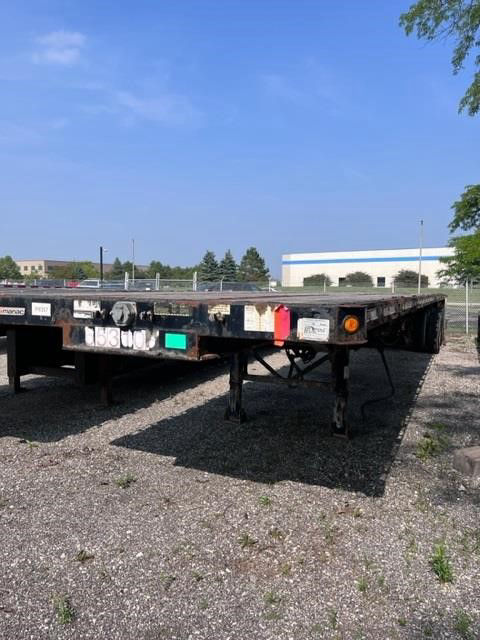
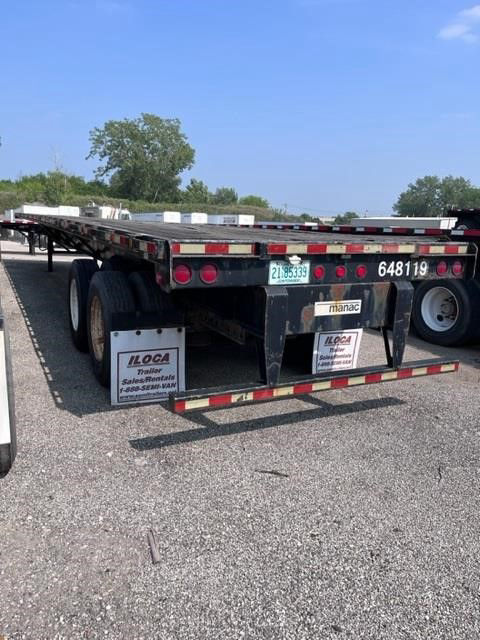
Shop Manac flatbed trailers with steel construction, tandem axles, Apitong floors, sliding tandems, and extendable deck options.
Learn more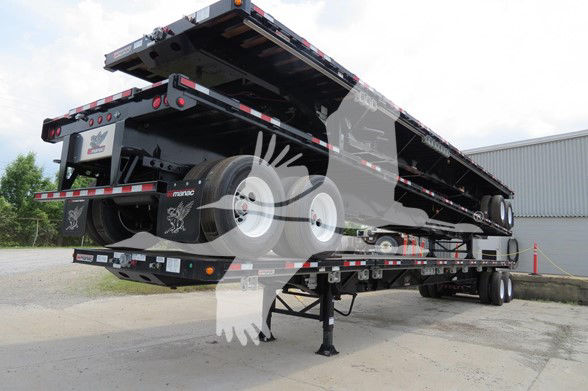
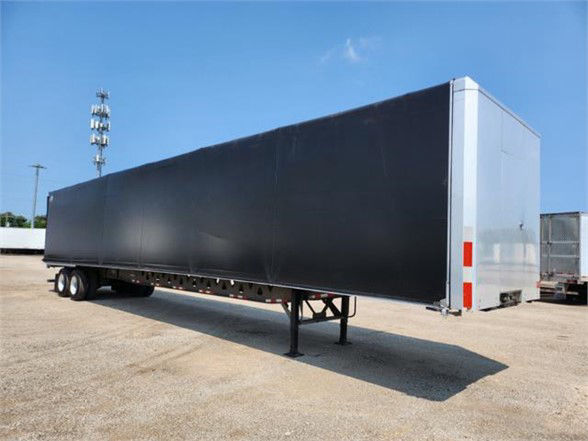
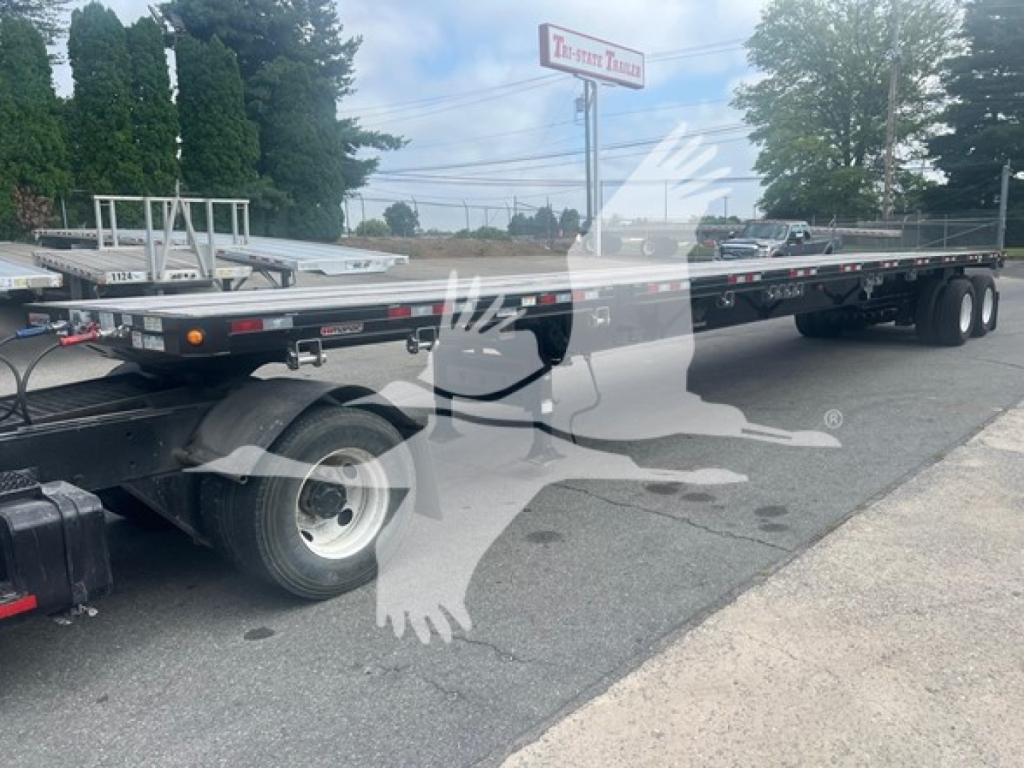
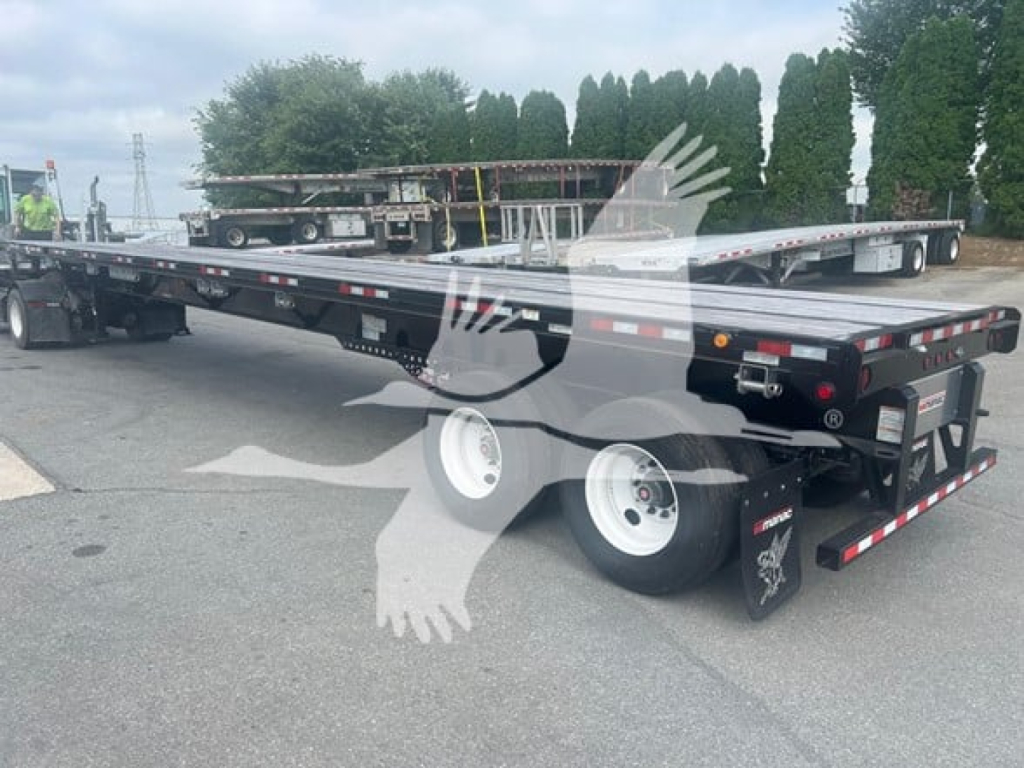
Showing 13 to 23 of 23 results
Have manac flatbed trailer to sell? List it here to reach thousands of buyers.
About Manac Flatbed Trailers
A key buying decision in Manac flatbeds is standard fixed deck versus extendable flatbed. Standard 48-foot models are a good fit for dense, legal-length freight and high-cycle regional or over-the-road hauling. Extendable models, often stretching from 48 feet to 80 feet in 5-foot increments, give more flexibility for long material, pipe, fabricated steel, trusses, and oversized loads that do not justify a dedicated stretch fleet. If long freight is part of the mix, pay close attention to extension design, lock spacing, empty weight, and how the trailer balances when stretched.
On the spec side, buyers will typically see steel side rails, stake pockets, pipe spools, roadside winch tracks, and sliding winches, often in 10 to 12 winch configurations. Many Manac flatbeds also use 1-1/8 inch Apitong flooring, 12-inch crossmember spacing, tandem axles, and 49-inch sliding tandems. Suspension can be spring ride or air ride, and that choice matters. Spring ride is simple and durable for rough-duty applications, while air ride can help with ride quality for higher-value or more damage-sensitive freight. Kingpin setting, axle slide range, landing gear brand, tire size, and galvanized crossmembers or rear impact guards are all worth reviewing if uptime, corrosion resistance, and bridge-law flexibility are priorities.
For used Manac flatbed trailers, condition details matter more than model year alone. Check floor wear, side rail damage, winch track condition, crossmember corrosion, tandem slide operation, suspension wear points, and signs of frame repairs around the neck and rear. On extendable trailers, inspect the slide mechanism, cable or roller components, locking system, wiring extensions, and deck alignment through the full range. A well-spec'd Manac flatbed can be a dependable open-deck trailer for carriers, owner-operators, steel haulers, and construction fleets that need a durable platform with familiar parts and practical load securement.
Frequently Asked Questions
What are the most common specs on a Manac flatbed trailer?
Many Manac flatbed trailers are configured as 48-foot by 102-inch tandem axle units with steel construction, 1-1/8 inch Apitong flooring, sliding tandems, and roadside winch tracks with sliding winches. Common supporting specs include 11R22.5 tires, steel wheels, stake pockets, pipe spools, and 12-inch crossmember spacing. Depending on the application, buyers will also find spring ride and air ride suspension options.
Should I choose a standard Manac flatbed or an extendable model?
A standard flatbed is usually the better choice for general freight, higher load frequency, and simpler maintenance. An extendable Manac flatbed makes more sense when the freight mix includes pipe, steel beams, trusses, poles, or other long loads that exceed a fixed 48-foot deck. The tradeoff is more complexity, higher tare weight in many cases, and the need to inspect the extension system carefully on used equipment.
Is spring ride or air ride better on a Manac flatbed trailer?
Spring ride is often preferred for simplicity, lower parts cost, and rugged service in demanding environments. Air ride is a better fit when cargo protection, ride quality, and smoother handling are important. Buyers hauling machinery, finished products, or freight prone to shifting may prefer air ride, while heavy material haulers often stay with spring ride if durability and straightforward maintenance are the main priorities.
What should I inspect on a used Manac extendable flatbed?
Focus on the extension locks, slide rails, cable or extension mechanism, wiring and light connections, floor condition across fixed and extendable sections, and frame alignment when fully retracted and fully extended. Also inspect the tandem slide, suspension components, brake condition, tire wear, and any repairs near high-stress areas. Extendable trailers can be very productive, but deferred maintenance in the stretch system can be expensive to correct.
Why does kingpin setting and sliding tandem position matter on a flatbed?
Kingpin setting and tandem position affect axle loading, bridge-law compliance, and how easily the trailer can be balanced for different commodities. A common setup such as a 24-inch or 30-inch kingpin with a 49-inch sliding tandem gives fleets flexibility to adjust weight distribution based on cargo length and placement. That becomes especially important for steel, machinery, or mixed partial loads where legal axle weights can change quickly.