
Flatbed Trailers For Sale in Maine
Shop flatbed trailers for sale in Maine. Compare 48-foot and 53-foot specs, axle setups, deck materials, and hauling applications.
Learn moreBrowse Flatbed Trailers by Make
Have flatbed trailer to sell? List it here to reach thousands of buyers.
About Flatbed Trailers in Maine
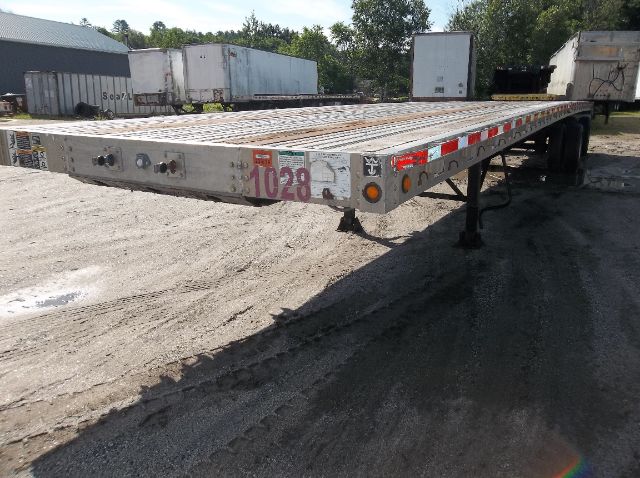
Construction matters because it affects tare weight, durability, and long-term repair cost. Aluminum flatbeds and combination trailers are popular when payload is the priority. Steel sections add strength in high-stress areas, while all-aluminum designs help maximize legal cargo weight. Buyers should also look closely at floor type, crossmember spacing, main beam condition, and the state of the fifth wheel plate and kingpin area. On used flatbed trailers, deck wear, rub rail condition, stake pockets, winches, and coil package components can tell you a lot about how the trailer was worked and maintained.
Suspension and running gear have a direct effect on tire life and road manners, especially on rough secondary roads and frost-heaved pavement common in the Northeast. Air ride suspension is widely preferred for better load protection and smoother tracking. Tire size, wheel condition, brake life, and axle alignment deserve a close inspection because these items add up fast after purchase. Spread axle flatbeds can offer better weight distribution, but they may scrub tires more in tight turns than a closed tandem. Maine operators hauling heavier building materials or mixed freight often compare these tradeoffs carefully depending on route density, yard space, and bridge laws.
A good flatbed trailer is really a securement platform as much as a deck. The details that matter are the number and condition of tie-down points, winch track layout, chain slots, and how easily the trailer accepts tarps, lumber tarps, edge protectors, and coil racks. If the trailer will see winter service in Maine, corrosion resistance, wiring condition, ABS function, and air system integrity should be checked closely. The right flatbed should match your freight mix, legal weight targets, and loading method, not just the price tag.
Frequently Asked Questions
What size flatbed trailer is most common for general freight?
The most common flatbed trailer sizes for general freight are 48 feet and 53 feet in length, typically with a 102-inch wide deck. A 48-foot flatbed remains very common for steel, lumber, machinery, and building materials because it works well with many legal weight and bridge requirements. A 53-foot flatbed gives more deck space for lighter, longer, or more awkward freight, but payload and routing considerations should always be checked against the loads you expect to haul.
Is a spread axle flatbed better than a tandem axle flatbed?
A spread axle flatbed can improve weight distribution and can be a strong choice for certain legal load setups, especially when hauling dense freight that benefits from bridge spacing. A tandem axle flatbed is often easier to maneuver in tight yards and can reduce tire scrub during sharp turns. The better choice depends on your normal routes, loading practices, and the weight profile of your freight rather than a simple one-size-fits-all rule.
What should I inspect first on a used flatbed trailer?
Start with the structural areas and the wear items that are expensive to correct. Check the main beams, crossmembers, floor condition, kingpin and fifth wheel plate area, suspension, brakes, tires, wheels, and air system. Then inspect the rub rails, stake pockets, winches, chain ties, and any signs of deck damage from forklifts or concentrated loads. On trailers used in northern climates, corrosion, wiring repairs, and brake component condition deserve extra attention.
What deck material is best on a flatbed trailer?
The best deck material depends on the freight and your payload goals. Aluminum and combination flatbeds are popular because they reduce trailer weight and help maximize legal cargo. Steel components can add durability in high-stress areas, but they also add tare weight. Buyers hauling dense freight often pay close attention to the balance between structural strength, repairability, and payload capacity when comparing deck and frame construction.
Why is air ride suspension common on flatbed trailers?
Air ride suspension is common on flatbed trailers because it helps protect cargo, improves ride quality, and can reduce shock transfer to both the load and the trailer structure. That matters when hauling machinery, building products, or palletized freight over uneven roads. Air ride also tends to be preferred by carriers focused on freight condition and driver acceptance, although the system should be inspected carefully for leaks, valve issues, and overall maintenance history.