
Flatbed Trailers For Sale in Kentucky
Shop flatbed trailers for sale in Kentucky. Compare aluminum and steel specs, lengths, axle setups, deck options, and securement features.
Learn moreBrowse Flatbed Trailers by Make
Have flatbed trailer to sell? List it here to reach thousands of buyers.
About Flatbed Trailers in Kentucky
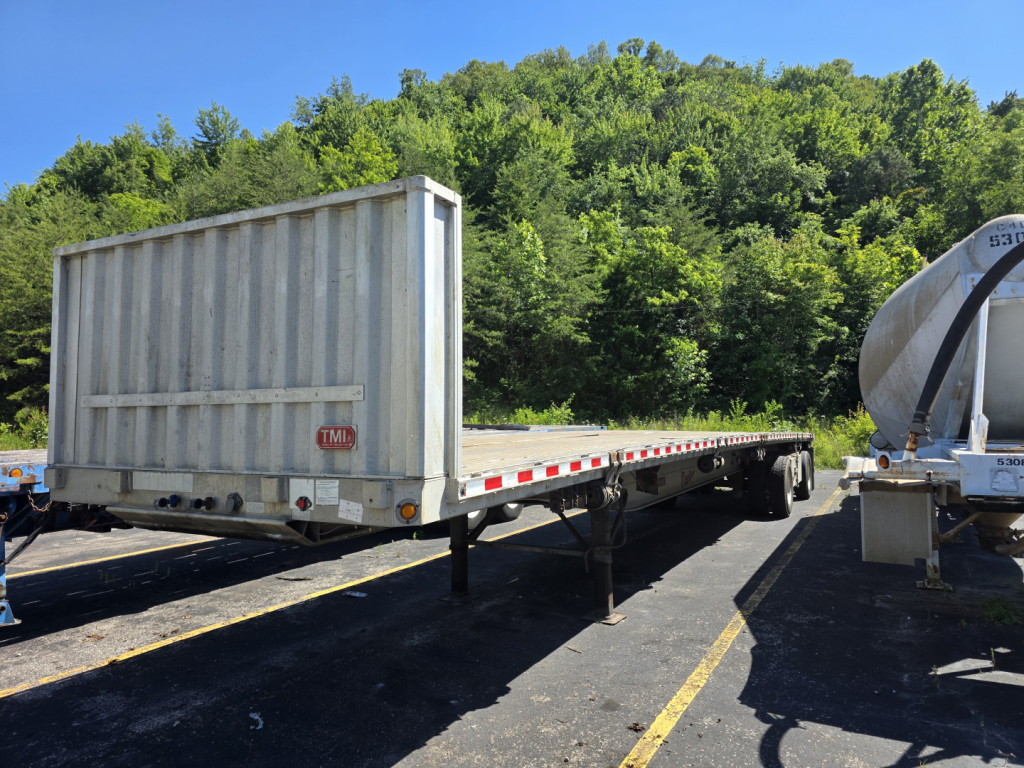
Most flatbed trailers on the market are 48 feet or 53 feet long and 102 inches wide, with tandem axle configurations being the most common. Buyers should look closely at trailer weight, axle rating, concentrated load rating, floor condition, and crossmember spacing, especially if the trailer will see forklifts, coils, or dense machinery. Deck height matters too. A lower deck can make loading easier and help with legal height on taller freight. Common equipment includes chain racks, winch tracks, sliding winches, rub rails, stake pockets, header boards, and toolboxes. On some units, tire inflation systems, aluminum wheels, and dock level rear ends can also affect day-to-day operating cost and loading flexibility.
Securement setup is a major part of flatbed value. A trailer with a clean rub rail, usable stake pockets, and properly spaced winches is easier to put to work across different commodities. Buyers hauling steel may prioritize coil package capability and stronger deck specifications, while general freight operators may focus more on lightweight construction and overall trailer condition. Check the deck for rot, broken boards, patchwork repairs, or bent sections. Inspect suspension components, air ride condition, brake wear, tire age, and signs of frame damage or uneven loading history. A well-spec'd flatbed should match both the freight mix and the loading method used by the shipper.
For Kentucky operators, it also makes sense to think about terrain, weather exposure, and freight density. Routes that cross rolling grades or run year-round in wet conditions can make maintenance history and corrosion resistance more important. Aluminum trailers are common for fleets trying to keep payload up, while older steel trailers still appeal in severe-duty applications where repair simplicity matters. Also known as an open-deck trailer or flatbed trailer, this category remains one of the most versatile trailer types in trucking because it can adapt to a wide range of cargo with the right securement gear and deck specification.
Frequently Asked Questions
What length flatbed trailer is most common?
The most common flatbed trailer lengths are 48 feet and 53 feet, with 102-inch width being standard. A 48-foot flatbed is still widely used in many fleets and owner-operator applications, while 53-foot models are often chosen when extra deck space is important for lighter or more dimensional freight. The right length depends on commodity mix, shipper requirements, and how often the trailer needs to scale heavy.
Is an aluminum flatbed better than a steel flatbed?
An aluminum flatbed is usually lighter, which helps increase legal payload and can improve operating efficiency over time. A steel flatbed may offer different durability characteristics and can make sense in severe-duty service or in operations where repair approach and upfront cost matter more than tare weight. Many buyers also consider combo trailers because they balance weight and structural strength differently than full aluminum or full steel designs.
What should I inspect on a used flatbed trailer?
Pay close attention to the frame, crossmembers, suspension, brakes, tires, lights, air system, and deck surface. The deck should be checked for broken boards, soft spots, patches, bent areas, and signs of repeated concentrated loading. Securement components such as stake pockets, rub rails, winches, and chain racks should also be inspected because damage there can limit how easily the trailer can be put to work.
What freight is a flatbed trailer typically used for?
Flatbed trailers are used for freight that needs open access for loading or unloading, including steel, lumber, machinery, construction materials, palletized products, and many agricultural or industrial loads. They are especially useful when freight is too wide, too tall, or too awkward to load through van doors. The trailer's deck rating, securement layout, and overall tare weight should match the type of cargo being hauled most often.
What flatbed trailer features matter most for cargo securement?
The most important cargo securement features usually include a strong rub rail, usable stake pockets, winch track, sliding or fixed winches, chain storage, and a solid header board when needed for the application. Buyers hauling specialized freight may also want coil package capability, specific crossmember spacing, or deck arrangements that handle forklifts and concentrated loads better. Securement hardware condition matters just as much as the trailer's overall cosmetic appearance.