
Fontaine Flatbed Trailers For Sale in Kentucky
Browse Fontaine flatbed trailers for sale, including lightweight all-aluminum models built for general freight, steel, lumber, and machinery.
Learn more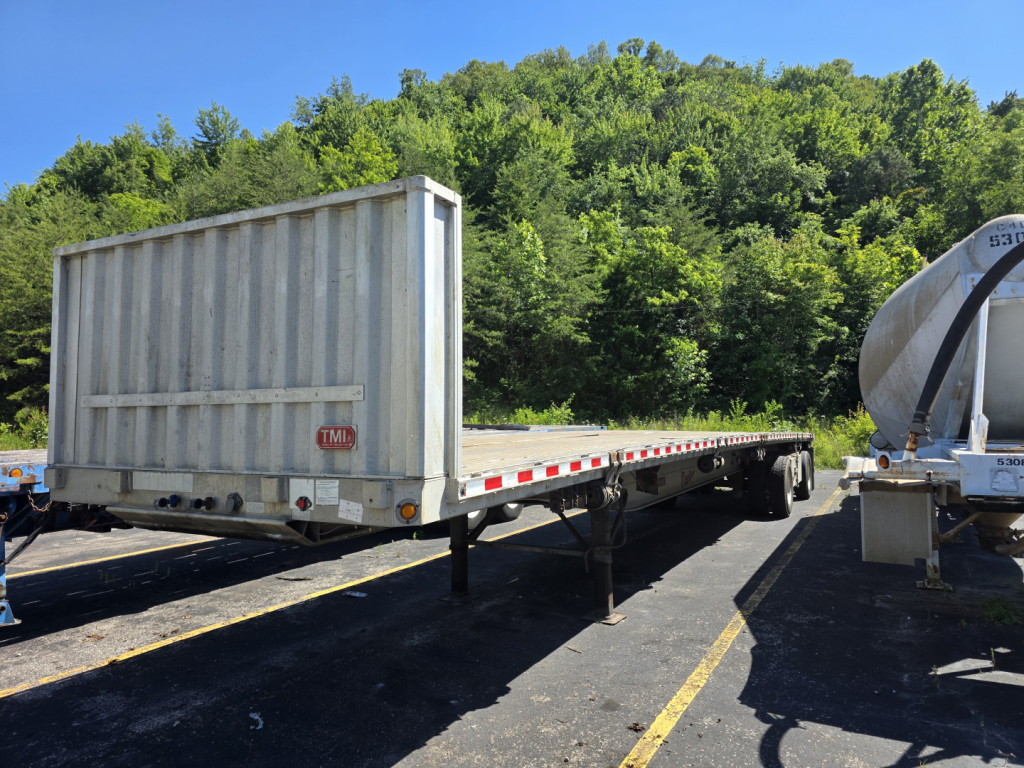
Have fontaine flatbed trailer to sell? List it here to reach thousands of buyers.
About Fontaine Flatbed Trailers in Kentucky
The first decision is usually material and deck design. Many Fontaine flatbeds use an aluminum frame and aluminum components to keep tare weight down, but buyers should still check crossmember spacing, floor type, deck condition, and the presence of coil package reinforcement if steel hauling is part of the job. Trailer length and width are only part of the story. Load rating, concentrated load capacity, and deck height matter just as much if the trailer will see forklifts, palletized freight, pipe, or heavier machinery. Features like a headache rack, winch track, sliding winches, stake pockets, rub rail design, and chain tie-down points make a real difference in day-to-day flexibility.
Suspension and running gear deserve close attention on a used Fontaine flatbed. Air ride suspension is common and helps protect cargo, but axle ratings, brake type, wheel end condition, tire size, and tire wear pattern will tell you a lot about how the trailer has been maintained. Buyers should inspect the landing gear, lights and wiring, ICC bumper, frame rail condition, and any signs of deck replacement or repairs around the rear transition and axle area. On aluminum flatbeds, look carefully for cracks, previous weld repairs, and damage around crossmembers, outriggers, and attachment points. Securement equipment also adds value if it matches the freight you haul, especially chain racks, strap storage, and a serviceable header board.
Fontaine flatbeds fit a wide range of open-deck operations because they are simple, versatile, and easy to spec around the freight. Some are set up for general commodity hauling, while others are better suited for dedicated building materials, fabricated steel, or equipment moves. The right trailer comes down to payload target, deck durability, securement layout, and how often the trailer will load from the side versus the rear. A well-matched Fontaine flatbed can be a strong choice for carriers and owner-operators who want an efficient open-deck trailer with proven resale appeal and broad freight compatibility.
Frequently Asked Questions
What are the most common Fontaine flatbed trailer sizes and configurations?
A common Fontaine flatbed configuration is 48 feet long by 102 inches wide, often in an all-aluminum design to reduce trailer weight. Depending on the application, buyers may also find different deck types, securement layouts, and accessory packages such as header boards, chain racks, winch tracks, and sliding winches. The best configuration depends on freight mix, loading method, and target payload.
Why do buyers choose an all-aluminum Fontaine flatbed trailer?
All-aluminum flatbeds are popular because they typically weigh less than comparable steel-heavy designs, which can improve legal payload capacity. Aluminum also resists corrosion well, which is valuable for trailers exposed to weather, road salt, and heavy year-round use. Buyers still need to inspect aluminum trailers carefully for fatigue, weld repairs, and structural damage, especially around crossmembers, suspension mounts, and tie-down areas.
What should I inspect on a used Fontaine flatbed trailer?
Key inspection points include deck condition, crossmembers, frame rails, outriggers, landing gear, suspension, axle alignment, brakes, wheel ends, and tire wear. Buyers should also check the rub rails, stake pockets, chain tie-down points, wiring, lighting, and the condition of any header board or storage racks. On aluminum units, signs of cracking or prior structural repair deserve extra attention because they can affect long-term durability and resale value.
Is a Fontaine flatbed trailer suitable for steel, lumber, and machinery hauling?
Yes, Fontaine flatbeds are commonly used for general freight, steel products, lumber, machinery, and other open-deck cargo. Suitability depends on the trailer's load rating, deck strength, concentrated load capacity, and securement setup. If the trailer will regularly haul steel coils, heavy equipment, or dense industrial freight, buyers should verify that the structure and tie-down equipment match that specific application.
What features matter most on a flatbed trailer for Kentucky hauling?
For Kentucky operations, buyers often prioritize corrosion resistance, durable deck construction, dependable brakes and suspension, and flexible securement options for mixed freight. Routes may include local construction deliveries, steel and manufacturing freight, agricultural loads, and regional highway work, so practical features like a header board, chain and binder storage, and accessible tie-down points can improve efficiency across different load types.