
Hyundai Flatbed Trailers For Sale
Shop Hyundai flatbed trailers with specs buyers want: 53' x 102", combo construction, sliding tandems, air ride, winches, stake pockets, and more.
Learn moreNo exact matches found for your search
Showing Flatbed Trailers instead.
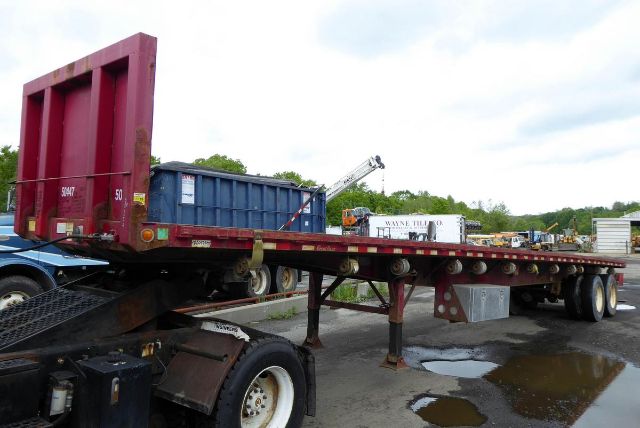
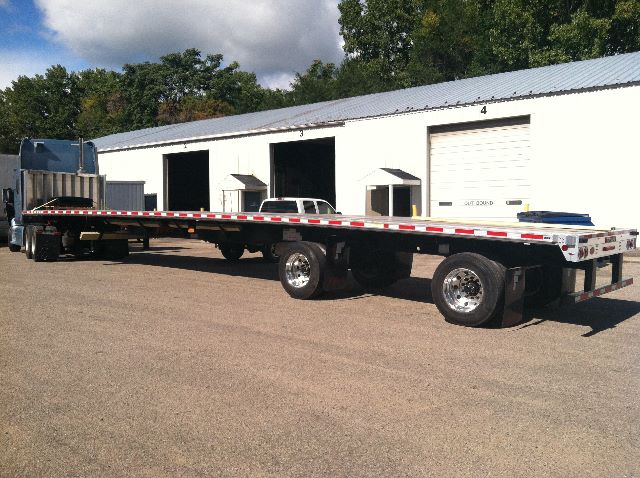
Showing 409 to 410 of 410 results
Have hyundai flatbed trailer to sell? List it here to reach thousands of buyers.
About Hyundai Flatbed Trailers
One of the first things to evaluate on a Hyundai flatbed is axle configuration and slide setup. Tandem axle layouts are common, and many buyers look specifically for air ride suspension with an air slide or rear sliding axle for easier bridge law compliance and load positioning. A California legal combo setup can be especially relevant for carriers running the West Coast, where axle spacing and legal weight rules can limit flexibility. Tire size, wheel material, and overall tare weight also deserve close attention because they directly affect payload capacity, maintenance cost, and how the trailer performs across regional freight lanes.
Deck and securement details matter as much as the frame. Common Hyundai flatbed features include stake pockets, sliding winches, winch tracks, pipe spools, nail strips, and rub rails designed to support a wide range of tiedown methods. Aluminum floors are common on combo trailers and help reduce empty weight, while steel components in the main structure provide durability in high-stress areas. Buyers hauling coil, pipe, lumber, palletized freight, or equipment should inspect deck condition, crossmember spacing, rail integrity, and signs of concentrated load wear, especially around securement points and slider systems.
A Hyundai flatbed trailer is usually a practical fit for fleets and owner-operators who need a standard open-deck platform without stepping into a specialized trailer segment. Also known as a flatbed semi trailer or open-deck trailer, this equipment class is valued for versatility, easy loading from the sides or overhead, and broad freight compatibility. The best buying decision usually comes down to tare weight, suspension type, slider functionality, legal configuration, and the condition of high-wear components such as brakes, tires, bushings, floors, and landing gear.
Frequently Asked Questions
What are the most common specs on a Hyundai flatbed trailer?
Common Hyundai flatbed trailer specs include a 53-foot length, 102-inch width, tandem axles, air ride suspension, and combo construction with steel main beams and an aluminum deck or rails. Many units also include sliding winches, stake pockets, pipe spools, nail strips, and tandem slider arrangements. Exact specifications vary by model and application, so buyers should compare tare weight, axle spread, deck material, and securement equipment closely.
What is a combo flatbed trailer, and why do buyers choose one?
A combo flatbed trailer uses a mix of steel and aluminum, usually steel in the main beams for strength and aluminum in the deck or side structure to reduce weight. Buyers choose combo trailers because they offer a good compromise between durability and payload capacity. This construction is especially useful in freight operations where every pound of tare weight matters but the trailer still needs to handle demanding loading conditions.
Why does a sliding tandem or rear slide axle matter on a flatbed trailer?
A sliding tandem or rear slide axle helps adjust axle weight distribution to meet bridge laws and state regulations. It also improves flexibility when freight is loaded in different positions on the deck. For carriers operating in states with stricter axle rules, including California, a legal configuration can be a major advantage because it reduces the risk of compliance issues and helps keep more loads moving without rework.
What should I inspect on a used Hyundai flatbed trailer?
Key inspection points include the condition of the main beams, crossmembers, aluminum floor or wood interface areas, suspension components, slider rails, brake system, tires, wheels, and landing gear. Buyers should also inspect rub rails, stake pockets, winch tracks, and tiedown points for cracks, distortion, or heavy wear. On combo trailers, corrosion around dissimilar metals and damage from forklifts or concentrated loads should be checked carefully.
What freight is a Hyundai flatbed trailer best suited for?
Hyundai flatbed trailers are commonly used for lumber, steel, machinery, palletized materials, pipe, construction products, and other cargo that can be loaded from the side, rear, or overhead. They are a strong fit for operations that need a versatile open-deck trailer rather than a highly specialized platform. The right setup depends on your freight mix, securement requirements, legal weight targets, and how often you run in states with tighter axle spacing rules.