
Great Dane Flatbed Trailers For Sale in Wyoming
Shop Great Dane flatbed trailers with specs buyers want: 53' x 102", combo construction, air ride, winches, stake pockets, and PSI options.
Learn more
Have great dane flatbed trailer to sell? List it here to reach thousands of buyers.
About Great Dane Flatbed Trailers in Wyoming
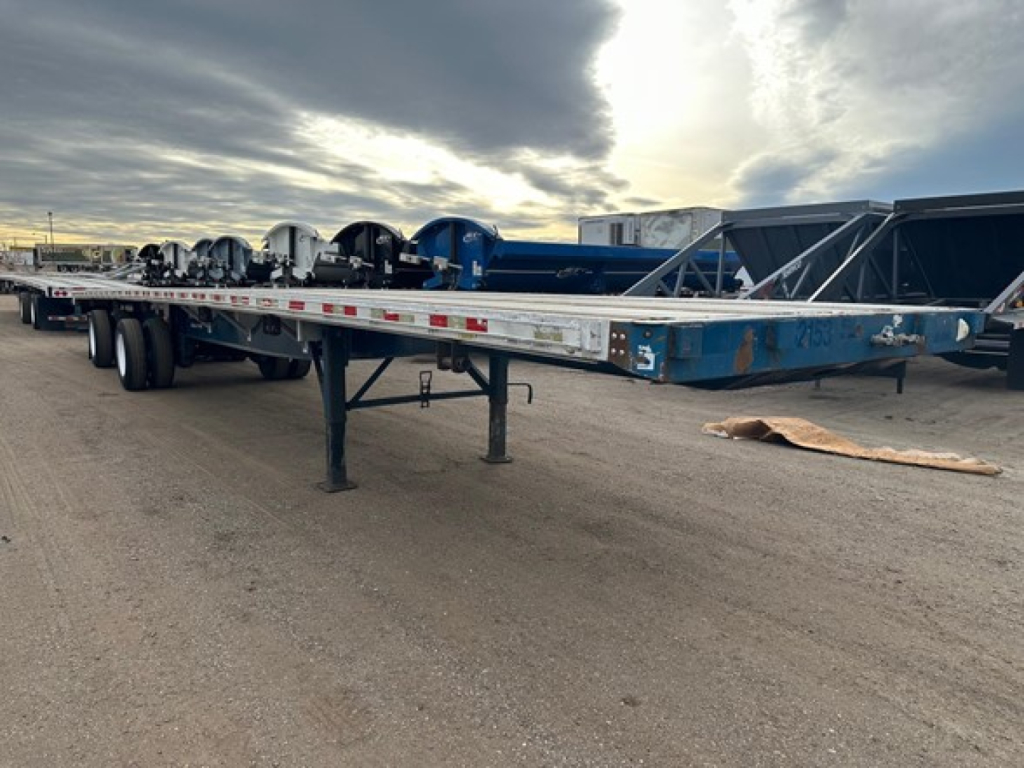
One of the most common configurations in this category is a 53-foot by 102-inch combo flatbed, often with steel main beams and aluminum crossmembers, deck, or side rails. That combo construction matters because it balances strength with tare weight. Buyers comparing Great Dane flatbeds often focus first on deck condition, rail straightness, crossmember integrity, and signs of concentrated load damage over the axles and at the rear. Nail strips, aluminum flooring, and rub rail condition tell you a lot about how the trailer was used. If your freight mix includes coils, pipe, lumber, or crated machinery, securement details such as winch track placement, spool count, and stake pocket spacing are just as important as the basic GVWR.
Suspension and axle layout also deserve a close look. Fixed spread air ride setups are common on road-spec Great Dane flatbeds because they help with ride quality and cargo protection while staying familiar to most fleets and owner-operators. Tire size, wheel material, and systems like PSI tire inflation can affect operating cost over long western routes where service intervals matter. Buyers running interstate freight should also verify bridge compliance, California-legal dimensions if that lane matters, and the condition of wear items like brakes, bushings, airbags, shocks, and slider components if applicable. A clean underside, even tire wear, and consistent brake maintenance usually tell a more useful story than fresh paint.
Great Dane flatbeds are also known as open deck trailers or straight flatbeds, and they remain a practical choice when you do not need the height restrictions of a step deck or the side protection of a curtain trailer. The right trailer depends on your commodity, loading method, and securement routine. If forklifts load from the side, deck edge condition and rub rail design matter. If you haul pipe or construction material through Wyoming and the surrounding mountain and plains region, durability in wind, weather, and long mileage service becomes a bigger factor. Buyers who compare structure, securement options, suspension spec, and empty weight carefully usually end up with a flatbed that works across a wider range of freight and stays productive longer.
Frequently Asked Questions
What should I look for first when buying a used Great Dane flatbed trailer?
Start with the structure before anything cosmetic. Check the main beams, crossmembers, deck, rub rails, stake pockets, and rear frame for cracks, repairs, twists, or corrosion. Then review suspension condition, brake wear, tire age and wear pattern, wheel condition, and any tire inflation system. On a flatbed, securement hardware and deck integrity usually matter more to daily usability than appearance.
Are Great Dane combo flatbeds a good choice for weight-sensitive freight?
Yes, combo construction is popular because it blends steel strength in high-stress areas with aluminum components to reduce trailer weight. That can improve payload potential compared with an all-steel trailer. The tradeoff is that buyers should inspect aluminum deck and rail components carefully for damage from forklifts, chains, and repeated edge loading, especially on older trailers.
What freight is a Great Dane flatbed trailer commonly used for?
Great Dane flatbeds are commonly used for lumber, steel products, palletized building materials, machinery, pipe, agricultural supplies, and general open-deck freight. The exact trailer setup determines how flexible it is. Features like sliding winches, pipe spools, nail strips, and stake pockets make the trailer more adaptable to mixed loads and different securement methods.
Does air ride suspension matter on a flatbed trailer?
Air ride suspension matters if you haul freight that benefits from a smoother ride or if you want better cargo protection over rough highways. It can also help reduce vibration on palletized goods, equipment, and certain finished materials. For many buyers, air ride is a desirable spec because it supports load stability and is widely accepted across general freight applications.
Why do buyers in Wyoming pay attention to tire and suspension specs on flatbeds?
Wyoming routes often involve long distances, wind exposure, temperature swings, and stretches where downtime is costly. That makes tire condition, inflation systems, air ride components, and brake health more important than on short-haul regional work. A flatbed with solid running gear and well-documented maintenance is usually the better value than one that only looks clean on the surface.