
Great Dane Flatbed Trailers For Sale in South Dakota
Browse Great Dane flatbed trailers with common specs, deck options, suspension details, and hauling applications for general freight.
Learn more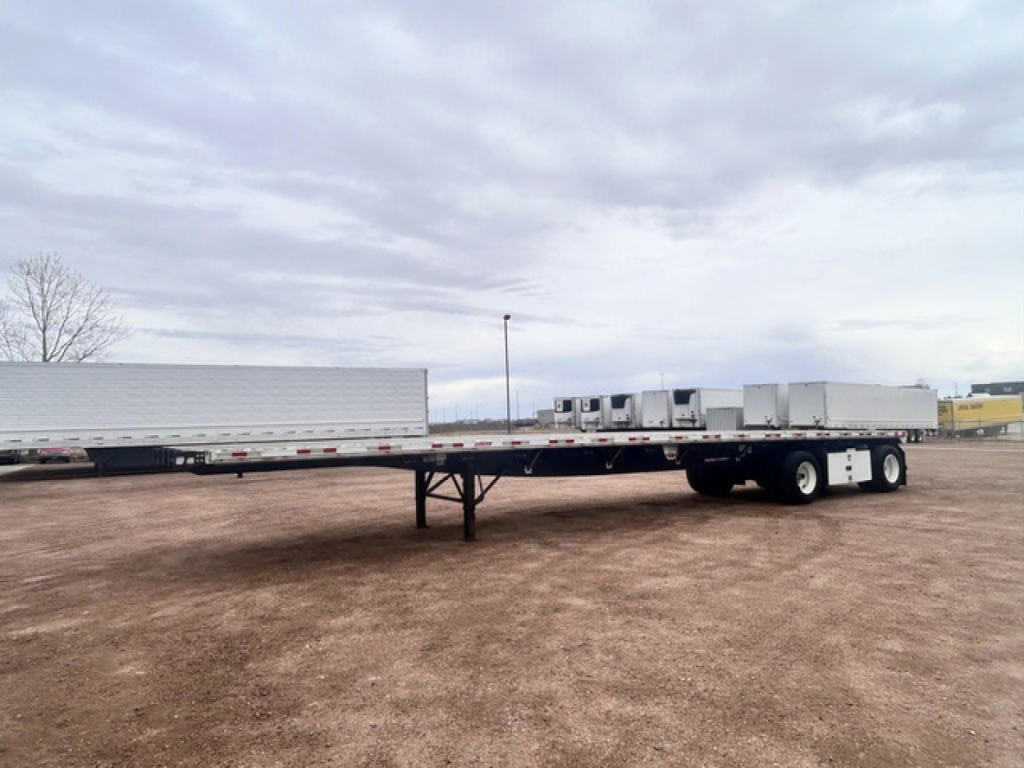
Have great dane flatbed trailer to sell? List it here to reach thousands of buyers.
About Great Dane Flatbed Trailers in South Dakota
On a used Great Dane flatbed, the frame and deck deserve the closest look. Straight rails, crossmember condition, floor wear, and any signs of concentrated loading matter more than cosmetics. Wood floors remain common because they are practical for mixed freight and easy to repair, while aluminum components can help reduce tare weight. Many trailers in this class are equipped with air ride suspension, which is preferred for ride quality and cargo protection, especially when hauling palletized freight, crated machinery, or finished materials. Tire condition, brake life, wheel-end service history, and any evidence of uneven wear also tell you a lot about how the trailer has been maintained.
Spec details can make one flatbed much more useful than another. Toolboxes, winch tracks, sliding winches, chain ties, coil package setups, and stake pockets all affect how quickly a driver can secure different loads. Some operators want a simple general-purpose deck, while others need a trailer set up for steel, lumber, pipe, or machinery. In South Dakota and across the Upper Midwest, buyers often prioritize a durable floor, solid suspension, and corrosion resistance because trailers see seasonal weather, road salt, and a mix of highway and farm-to-yard work. If your freight changes week to week, a flexible flatbed spec usually brings the best long-term value.
Great Dane has long been a recognized trailer manufacturer, and that matters when it comes to parts support, resale, and repair familiarity. For buyers comparing multiple used flatbed trailers, the right choice usually comes down to structural condition, empty weight, securement equipment, and how well the trailer’s setup matches the lanes you run. A lighter trailer may improve payload, but a heavier-spec unit with the right floor, suspension, and tiedown package can be the better earner if it fits your freight profile.
Frequently Asked Questions
What should I inspect first on a used Great Dane flatbed trailer?
Start with the main frame rails, crossmembers, outriggers, and floor. Look for bent or repaired rails, cracked welds, soft spots in the deck, and signs of heavy point loading. After that, check suspension components, brakes, tires, hubs, lights, and the condition of stake pockets, rub rail, and securement gear. Structural condition usually matters more than paint or appearance.
What length is most common for a Great Dane flatbed trailer?
A 48-foot flatbed is one of the most common configurations because it works well for a wide range of general freight and building materials. Other lengths such as 45-foot and 53-foot can also be found. The best length depends on the freight you haul, bridge laws, axle spacing, and customer loading requirements.
Is air ride suspension worth it on a flatbed trailer?
Air ride suspension is often worth the added cost for operators hauling freight that benefits from a smoother ride. It can reduce cargo shock, improve ride quality, and help protect palletized goods, machinery, and finished products. For rough-service applications or highly specialized freight, the right suspension choice still depends on duty cycle, terrain, and maintenance preferences.
What features make a flatbed trailer more versatile?
Versatility usually comes from securement and deck setup. Toolboxes, winch tracks, sliding winches, chain ties, stake pockets, rub rails, and a sound wood floor make it easier to handle mixed freight. A trailer with flexible tiedown options can adapt to steel one day and palletized materials the next, which is valuable for operators running variable loads.