
Great Dane Flatbed Trailers For Sale in New York
Shop Great Dane flatbed trailers for sale in New York. Compare lengths, deck construction, axle setups, GVWR, and load securement features.
Learn more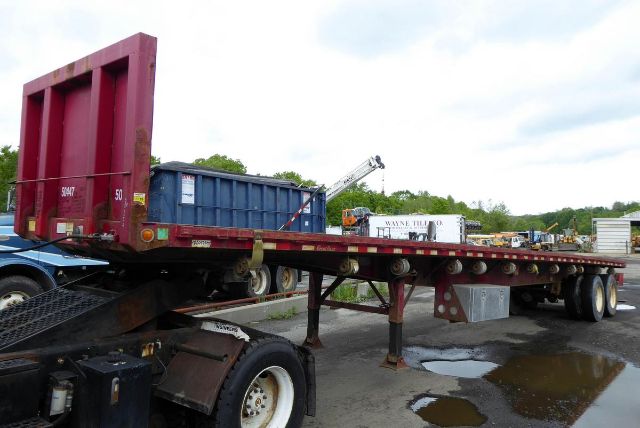
Have great dane flatbed trailer to sell? List it here to reach thousands of buyers.
About Great Dane Flatbed Trailers in New York
On Great Dane flatbeds, buyers typically focus first on trailer construction and running gear. Steel flatbeds are common for hard-use applications because they hold up well in demanding regional work, while aluminum or combo designs are often preferred when payload matters more. Common specs include 45-foot and 48-foot lengths, tandem axles, air brakes, spring or air ride suspension, and 22.5 low-profile tires depending on the application. Deck details matter as much as the headline specs. Wood floors with steel crossmembers remain popular because they balance durability, repairability, and traction for forklifts and mixed freight. Features such as fixed or sliding tandems, rub rails, stake pockets, chain spools, winches, and headache racks can make a major difference in how quickly a trailer can be turned and how versatile it is across different loads.
The right Great Dane flatbed depends on the freight mix. Building materials, machinery, palletized products, fabricated steel, and equipment all place different demands on the deck and securement system. A lower deck height can help with legal loaded height, especially on taller freight, while a heavier-duty frame and higher GVWR are more important if the trailer will see concentrated loads. Buyers in New York should also pay attention to corrosion exposure from winter road treatment, frame condition, brake and suspension wear, and the state of the floor if the trailer has seen repeated forklift loading. On used units, tire condition, wheel ends, crossmember integrity, and signs of deck damage around securement points are worth a close inspection.
Great Dane has long been a recognized name in commercial trailers, and that matters in the flatbed segment because serviceability and parts support are part of total cost of ownership. A well-matched Great Dane flatbed can work in local delivery, regional building supply, agricultural freight, or general over-the-road open-deck hauling. Buyers comparing listings should look beyond year and price and weigh empty weight against strength, confirm actual deck specs, and make sure the securement layout fits the freight they haul most often. The best flatbed is the one that meets legal weight and height requirements, loads efficiently, and stands up to repeated securement and forklift traffic without becoming expensive to keep on the road.
Frequently Asked Questions
What should I look for first when buying a Great Dane flatbed trailer?
Start with the deck length, empty weight, axle setup, and trailer construction because those four factors determine most of the trailer’s real-world usefulness. A buyer should then confirm deck height, suspension type, floor condition, brake system, and the securement package, including stake pockets, rub rails, winches, and chain tie-down points. On a used flatbed, crossmember condition, corrosion, tire wear, and signs of concentrated load damage are often more important than appearance.
Are Great Dane flatbed trailers better in steel or aluminum construction?
The better choice depends on the freight. Steel flatbeds usually make sense for harsher service and repeated forklift traffic because they are robust and often cost less to buy, but they carry more tare weight. Aluminum or combo flatbeds are typically chosen when payload is the priority because they reduce empty weight, which can improve legal hauling capacity. The right decision comes down to freight density, loading method, route type, and maintenance expectations.
What flatbed specs matter most for New York operation?
In New York, buyers should pay close attention to overall trailer weight, deck height, brake condition, and corrosion resistance. Seasonal road treatment can accelerate rust on frames, crossmembers, suspension parts, and air system components, so understructure condition matters. Deck height is also important because it affects loaded height on machinery, bundled building products, and other tall freight. Regional operators may also prefer spec choices that balance durability with maneuverability in tighter delivery environments.
How do I know if a flatbed trailer is set up for my type of freight?
Match the trailer’s securement and deck layout to the loads you haul most often. Machinery and steel can require stronger concentrated load support and chain securement points, while palletized freight often benefits from a clean floor, good forklift access, and enough straps or winch positions for fast loading. Features like a headache rack, Moffett forklift setup, air ride suspension, or specific kingpin and tandem configurations may be valuable if they directly support your operation.
Is deck height important on a Great Dane flatbed trailer?
Yes. Deck height directly affects loaded legal height, ease of loading, and sometimes center of gravity. A lower deck can give more flexibility for taller freight and can help reduce permit issues on certain loads. Buyers should compare deck height with the typical freight profile they carry, especially if they move equipment, crated machinery, or other products that already push height limits before securement is added.