
Fruehauf Flatbed Trailers For Sale
Browse Fruehauf flatbed trailers with specs buyers want, including 48-foot decks, steel construction, tandem axles, slider suspensions, and Apitong floors.
Learn more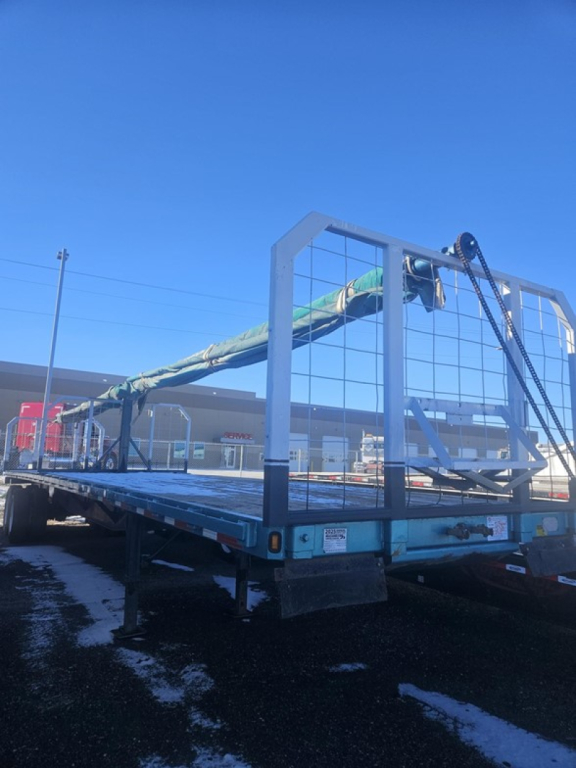

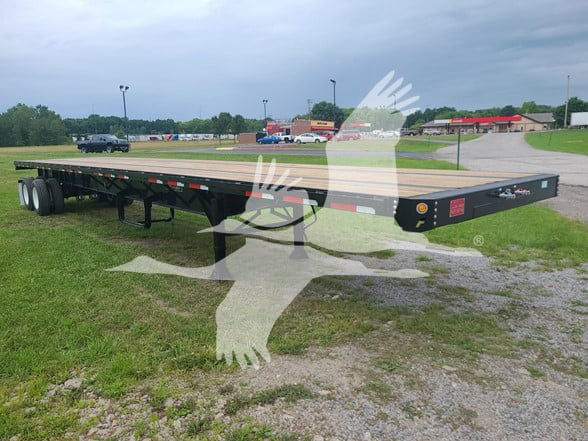
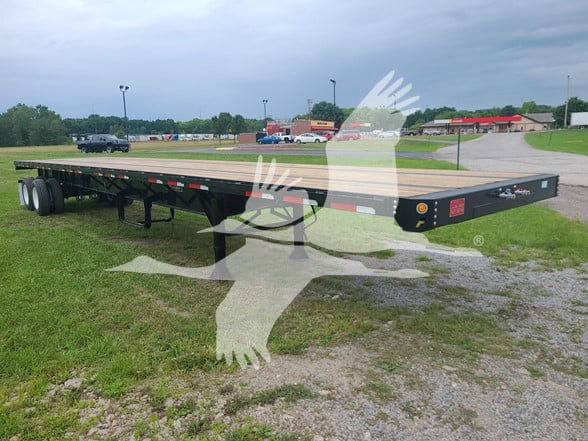
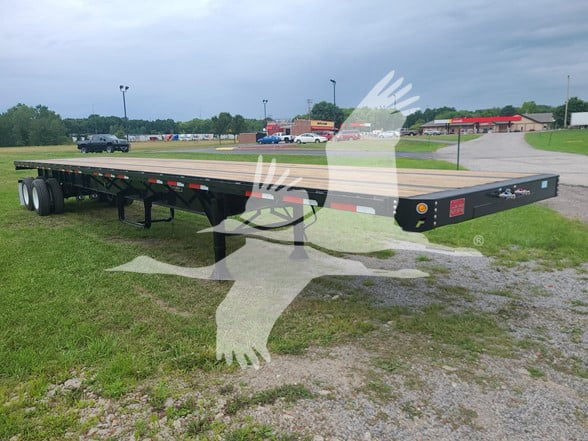
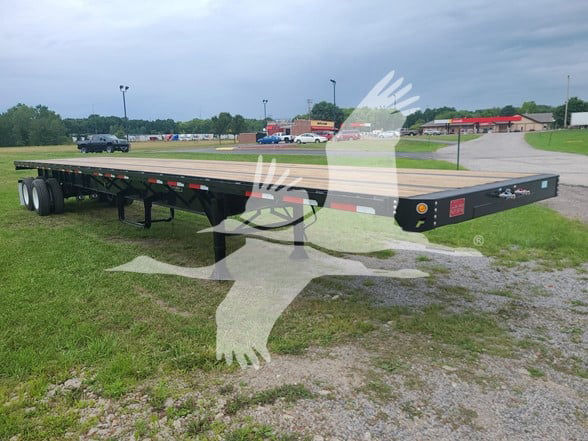
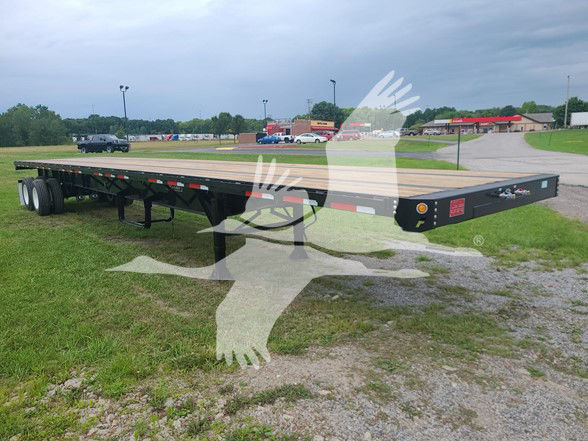
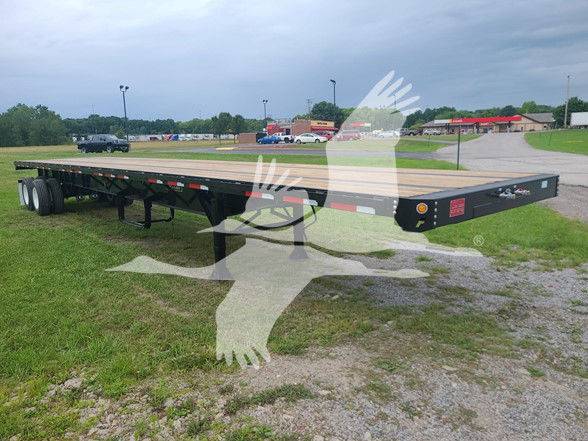
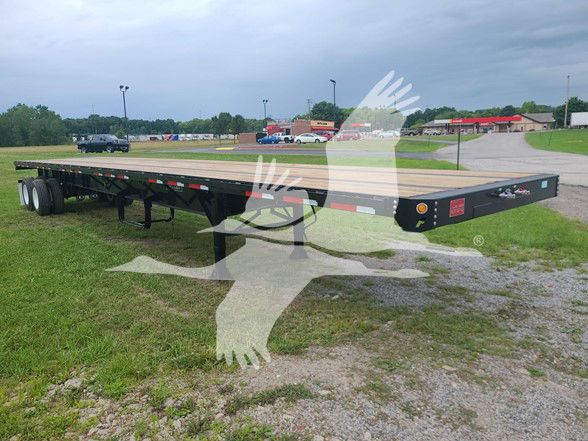
Showing 1 to 12 of 24 results
Have fruehauf flatbed trailer to sell? List it here to reach thousands of buyers.
About Fruehauf Flatbed Trailers
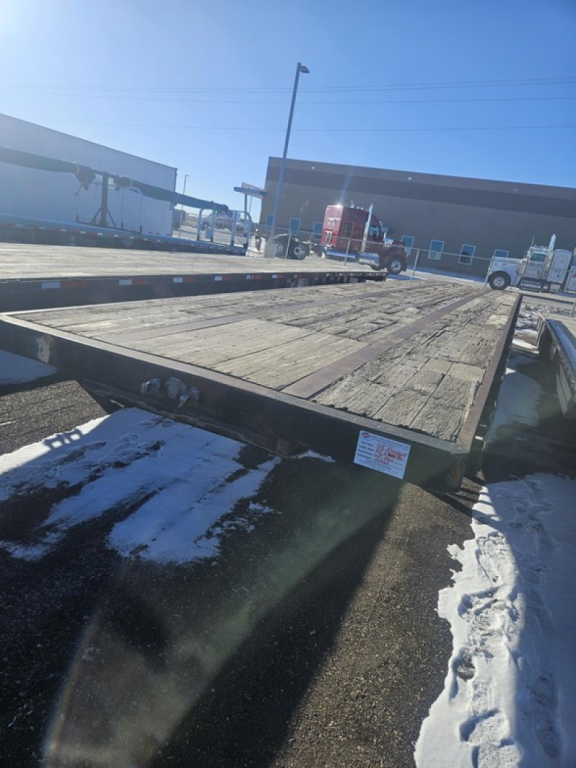
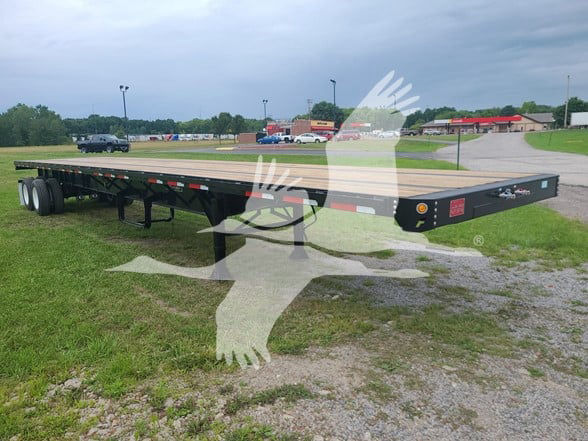
A lot of the buying decision comes down to deck construction and securement setup. Steel-frame Fruehauf flatbeds with Apitong flooring are a common spec because Apitong holds up well under repeated forklift traffic and concentrated freight contact. Steel side rails, winch tracks, sliding winches, and pipe spools matter if the trailer will spend most of its time on palletized building products, pipe, steel, or machinery. Crossmember spacing also matters more than many buyers think. Closer centers, such as 12-inch spacing, help support heavier point loads and improve deck durability over time. If your freight mix includes coils or other concentrated loads, check for a coil package, floor ratings, and the condition of the main beams, crossmembers, and side rail attachment points.
Suspension and axle configuration affect both compliance and day-to-day usability. Many Fruehauf flatbeds in this segment are tandem axle trailers with a sliding suspension and spring ride. A slider gives flexibility for bridge law compliance and axle weight distribution across different states and load profiles. Spring ride is simple and proven, though some buyers hauling fragile freight may prefer air ride in other flatbed specs. Pay attention to kingpin setting, landing gear brand and condition, tire size, wheel type, and rear lighting. On used flatbeds, those details directly affect maintenance cost, ease of hookup, and how quickly the trailer can be put to work.
For buyers comparing Fruehauf flatbed trailers against other open-deck options, the real question is how the trailer matches your freight lane and loading method. A standard flatbed, also known as an open-deck trailer, is the right tool when shippers need unrestricted loading and unloading and the cargo can be tarped or shipped uncovered. Look closely at floor wear, tire age, brake condition, suspension travel, slider operation, winch function, and any signs of damage around the neck, rear frame, and rub rail. A clean, properly spec'd Fruehauf flatbed can be a dependable platform for regional or over-the-road work, particularly for carriers that value a conventional steel trailer that is easy to inspect, service, and keep moving.
Frequently Asked Questions
What are the most common specs on a Fruehauf flatbed trailer?
Many Fruehauf flatbed trailers are spec'd as 48-foot by 102-inch tandem axle units with a steel frame, wood floor, and sliding suspension. Buyers will also commonly see Apitong flooring, steel side rails, roadside winch tracks, sliding winches, 22.5-inch wheels, and standard kingpin settings around 30 inches. These are practical fleet specs because they fit a broad range of general open-deck freight.
Is a steel Fruehauf flatbed better than an aluminum flatbed?
A steel flatbed usually offers durability, repair simplicity, and lower upfront cost, while an aluminum flatbed generally saves tare weight and can improve payload on weight-sensitive freight. For buyers hauling dense building materials, machinery, or steel products, a steel Fruehauf flatbed is often a strong fit because it stands up well to hard use. The tradeoff is higher empty weight compared with aluminum designs.
Why does sliding suspension matter on a flatbed trailer?
A sliding suspension lets the tandem axle group move to help manage axle weights and meet bridge law requirements across different load types and jurisdictions. That matters on flatbeds because cargo placement can vary widely from one load to the next. A properly functioning slider gives the driver more flexibility to scale legal loads without reworking freight position as often.
What should I inspect first on a used Fruehauf flatbed?
Start with the main frame, crossmembers, floor condition, suspension, brakes, tires, and slider assembly. Then inspect the rub rail, winch track, side rails, landing gear, kingpin area, and rear structure for bends, cracks, excessive corrosion, or evidence of poor repairs. On a flatbed, securement components are just as important as the running gear because damaged winches, rub rails, or floor sections can limit the trailer's usefulness even if it still rolls well.
What freight is a Fruehauf flatbed trailer best suited for?
Fruehauf flatbed trailers are commonly used for lumber, packaged steel, machinery, construction materials, pipe, palletized products, and other cargo that can be loaded by crane or forklift from multiple directions. They are a good fit for freight that does not require van-style enclosure and can be secured with straps, chains, edge protection, and tarps when needed. The exact fit depends on deck strength, securement hardware, and whether the trailer has specialized options such as coil support features.