
Used Fontaine Flatbed Trailers For Sale
Shop used Fontaine flatbed trailers with specs on combo construction, deck options, axle setups, securement features, and hauling applications.
Learn more
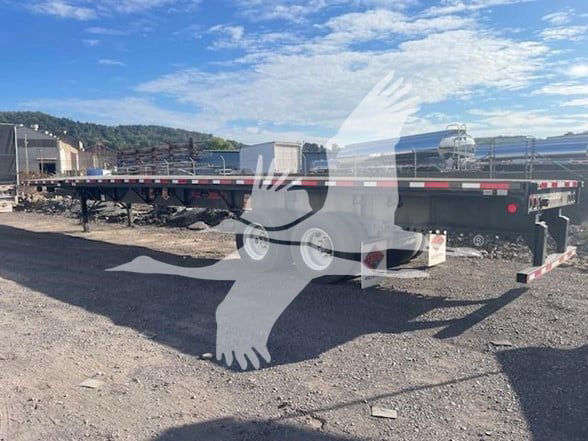
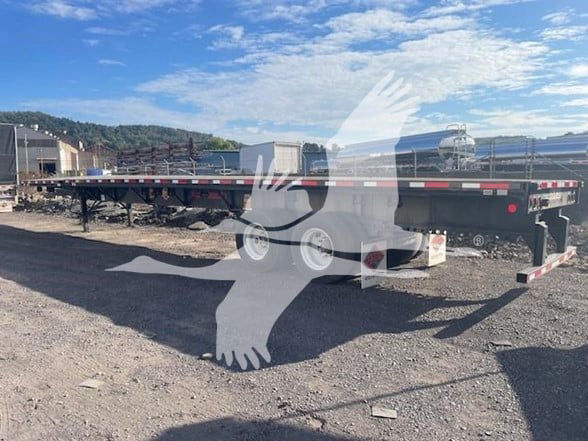
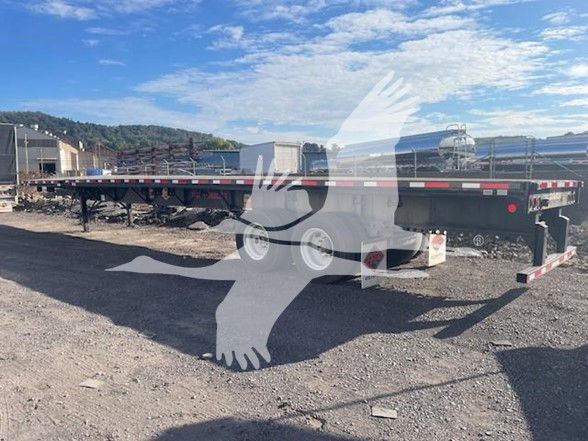
Showing 25 to 36 of 45 results
Have used fontaine flatbed trailer to sell? List it here to reach thousands of buyers.
About Used Fontaine Flatbed Trailers
A buyer comparing used Fontaine flatbeds should pay close attention to deck construction, axle spacing, and securement layout. Many trailers in this class are spec'd with apitong floors or aluminum decking, nail strips, stake pockets, pipe spools, and roadside winch tracks with sliding winches. Coil packages, pull-up chain ties, recessed tie-down points, and RASR-style rails can make a major difference depending on whether the freight mix includes steel, machinery, building products, or palletized loads. On combo trailers, check the condition of the steel beams and crossmembers, look for deck wear around forklift traffic areas, and inspect side rails for damage from chains, binders, and edge loading.
Suspension and axle setup also affect how a Fontaine flatbed performs in daily service. Used units are commonly found with air ride or spring ride suspensions, sliding tandems, fixed spread axles, or spread air ride arrangements. Each setup changes bridge compliance, ride quality, tire wear, and loading flexibility. Tire size, wheel material, kingpin setting, landing gear condition, and crossmember centers are worth reviewing closely, especially if the trailer will be matched to a specific tractor or used in heavy regional work. Extendable Fontaine flatbeds add another layer of inspection, including extension locks, inside track systems, wiring connections, and wear points created by repeated retraction and extension cycles.
For most buyers, the right used Fontaine flatbed comes down to freight type and operating lane. A standard 48-foot combo flatbed fits construction materials, crated freight, lumber, machinery, and steel products. An extendable flatbed is better suited for overlength loads such as pipe, structural members, and equipment that cannot fit a fixed deck. Features like bulkheads, headache racks, dunnage racks, tool boxes, tire carriers, and container locks can add real operational value if they match the work. The best approach is to look beyond length and price and focus on tare weight, securement package, suspension spec, and deck condition, because those are the details that determine how profitable a flatbed trailer will be once it goes to work.
Frequently Asked Questions
What is the advantage of a used Fontaine combo flatbed trailer?
A Fontaine combo flatbed typically uses steel main beams with aluminum components such as the deck and side rails. That design helps reduce trailer weight without giving up the beam strength needed for demanding flatbed freight. For many buyers, a combo trailer offers a good middle ground between payload capacity, durability, and repair practicality.
What should I inspect first on a used Fontaine flatbed trailer?
Start with the deck, main beams, crossmembers, side rails, and suspension. Look for cracked welds, bent crossmembers, deck rot or excessive wear, rail damage around winch and chain tie areas, and uneven tire wear that may point to alignment or suspension issues. On extendable models, inspect the extension mechanism, lock positions, and wiring at full and partial extension.
Are Fontaine extendable flatbed trailers a good fit for general freight?
They can handle general flatbed freight, but they are best suited for operations that regularly move overlength loads. An extendable trailer adds flexibility for pipe, steel, trusses, and long machinery, but it also adds weight and more maintenance points than a standard fixed-length flatbed. Buyers who mostly haul standard 48-foot freight often find a conventional flatbed simpler and lighter.
Which securement features matter most on a used flatbed trailer?
The most valuable securement features depend on the cargo, but common priorities include sliding winches, a winch track, stake pockets, chain tie-downs, pipe spools, nail strips, and a coil package. Buyers hauling steel or machinery usually need more chain securement points and a coil setup, while mixed freight operations often focus on versatile strap and winch placement along the full deck.
How do axle and suspension specs affect a used Fontaine flatbed?
Axle layout and suspension type affect bridge law compliance, ride quality, maintenance cost, and how easily the trailer can be loaded. Sliding tandems give flexibility for weight distribution, while spread axle configurations can improve stability and legal payload in some applications. Air ride is often preferred for ride quality and cargo protection, while spring ride can be simpler and less expensive to maintain.