
Fontaine Flatbed Trailers For Sale in Pennsylvania
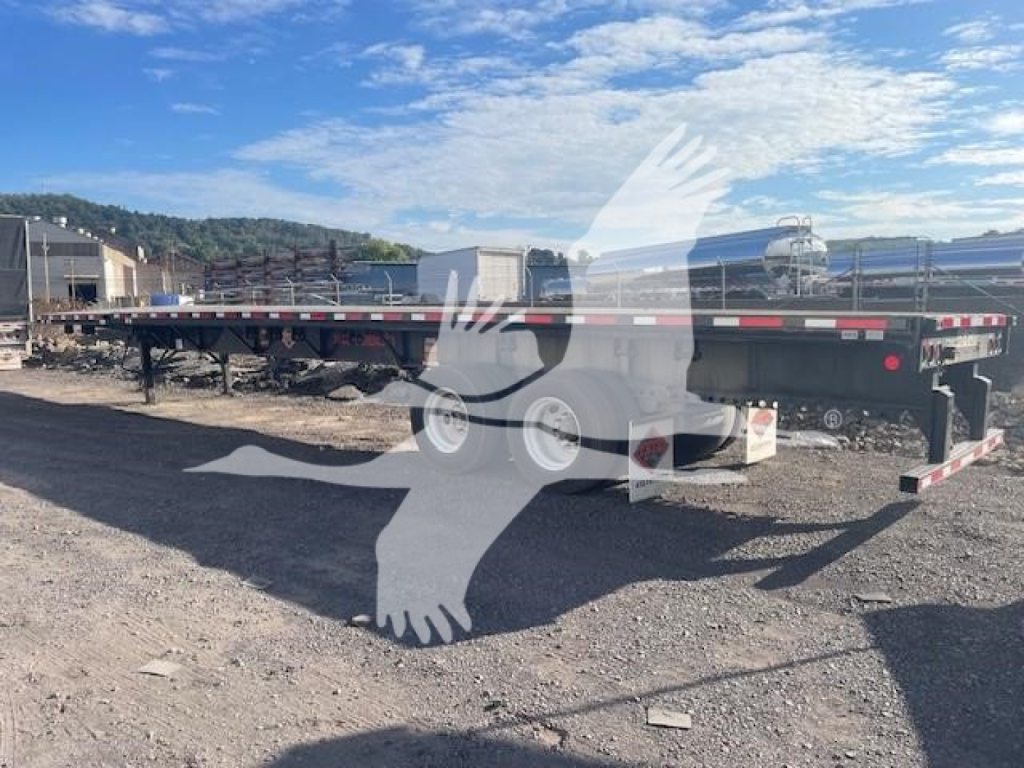
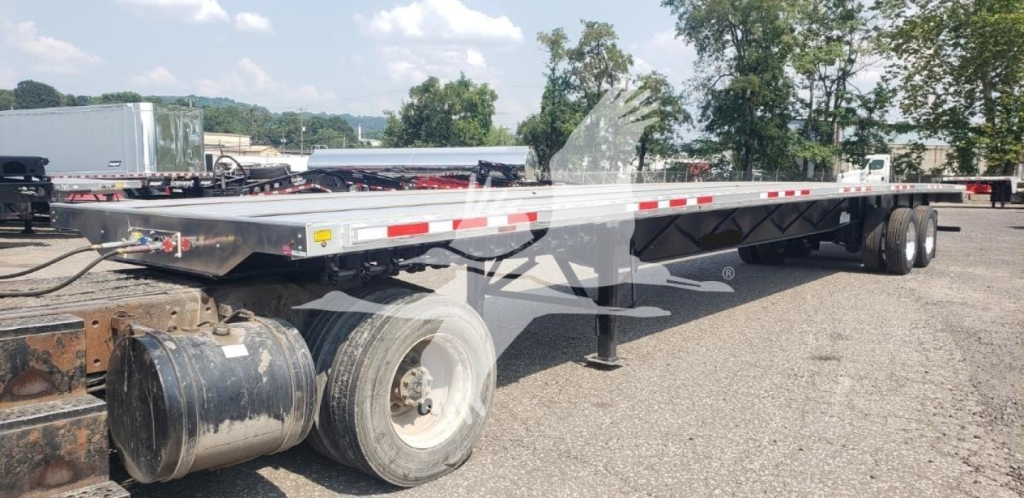
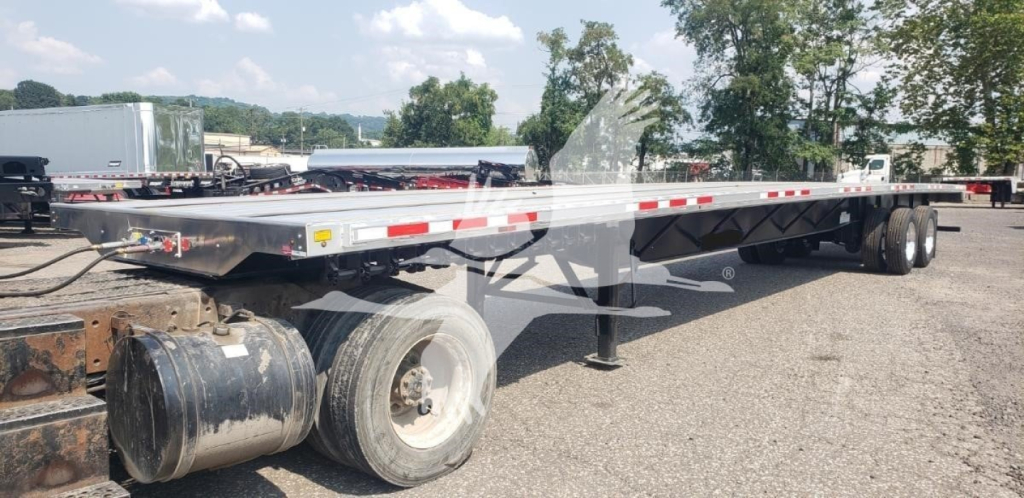
Showing 25 to 27 of 27 results
Have fontaine flatbed trailer to sell? List it here to reach thousands of buyers.
Fontaine Flatbed Trailers in Pennsylvania
The most common sizes in this category are 48-foot by 102-inch flatbeds, often with tandem or spread axle layouts. Key spec points include kingpin setting, sliding tandem range, crossmember spacing, floor material, and suspension type. Apitong flooring remains a popular choice because it holds up well under forklifts and repeated loading. Buyers comparing Fontaine trailers should also look at winch track placement, number of sliding winches, pipe spools, and rub rail condition, since these details directly affect how quickly a driver can secure mixed freight. Air-ride suspension is often preferred for more delicate loads, while spring ride can appeal to fleets prioritizing simplicity and lower maintenance cost.
Fontaine extendable flatbed trailers add another layer of versatility for carriers hauling structural steel, long pipe, precast components, and oversized freight. Models that extend from 48 feet out to 80 feet in 5-foot increments are useful when load lengths vary from job to job. On these trailers, extension design, lock integrity, empty weight, and overall distributed rating deserve close attention. A 24-inch kingpin setting, 49-inch sliding tandem, 12-inch crossmember centers, and a roadside winch track are common working specs in this class. Buyers should also inspect side rails, landing gear, light package, and axle alignment, especially on units that have spent time in heavy regional service.
For Pennsylvania buyers, corrosion exposure and prior freight type are worth checking carefully. Road salt, coil hauling, and concentrated forklift traffic can all leave wear in places that do not show up in a basic walkaround. Look closely at frame condition, tire wear patterns, brake life, floor repairs, and any evidence of bent crossmembers or damaged outriggers. A well-spec'd Fontaine flatbed trailer can be a strong fit for regional construction freight, dedicated steel service, or general commodity hauling, provided the deck length, suspension, securement setup, and weight profile match the lanes you actually run.
Frequently Asked Questions about Fontaine Flatbed Trailers in Pennsylvania
What are the most important specs to compare on a Fontaine flatbed trailer?
The most important specs are trailer length and width, deck construction, empty weight, axle configuration, suspension type, kingpin setting, and tandem slide range. Buyers should also compare crossmember spacing, floor material such as Apitong, winch track setup, sliding winch count, and overall distributed weight rating. These details affect payload, securement options, bridge compliance, and how well the trailer fits the freight you plan to haul.
Are Fontaine combo flatbeds a good choice for maximizing payload?
Fontaine combo flatbeds are often selected when payload matters because the combination of steel and aluminum construction can reduce tare weight without giving up the structural strength needed for general freight. That makes them attractive for operators hauling building products, machinery, and other open-deck loads where every pound of legal payload counts. Buyers still need to confirm that the trailer's frame design and floor condition match the density and loading style of their freight.
When does an extendable Fontaine flatbed make more sense than a standard 48-foot flatbed?
An extendable Fontaine flatbed makes more sense when load lengths vary and you regularly haul freight that exceeds standard deck length, such as pipe, rebar, steel beams, trusses, or other long materials. A standard 48-foot flatbed is usually the better fit for routine palletized or jobsite freight because it is simpler and often lighter. The extendable design adds versatility, but buyers should evaluate extension lock condition, empty weight, and maintenance history before choosing one.
What should Pennsylvania buyers inspect closely on a used flatbed trailer?
Pennsylvania buyers should pay close attention to corrosion, especially on the frame, crossmembers, suspension components, electrical connections, and brake hardware. Road salt and wet Northeast operating conditions can accelerate rust and shorten service life if a trailer has not been maintained well. It is also smart to inspect the floor for forklift damage, check axle alignment and tire wear, and verify that lights, landing gear, sliding components, and securement hardware are all working properly.
Is air-ride or spring suspension better on a flatbed trailer?
Air-ride is generally preferred when freight is sensitive to vibration or when ride quality is a priority for higher-value loads. Spring ride is simpler, typically lower in cost, and can be attractive in hard-use applications where maintenance simplicity matters more than ride quality. The better choice depends on your freight mix, service area, maintenance program, and how much importance you place on cargo protection versus operating cost.