
New Fontaine Flatbed Trailers For Sale
Compare new Fontaine flatbed trailers with steel, aluminum, combo, spread axle, and forklift kit options for general freight and specialized hauling.
Learn more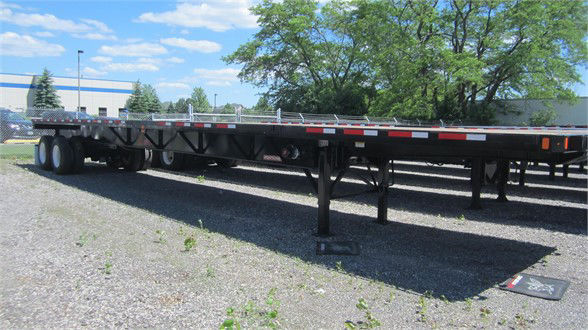
Showing 49 to 49 of 49 results
Have new fontaine flatbed trailer to sell? List it here to reach thousands of buyers.
About New Fontaine Flatbed Trailers
A 48-foot by 102-inch flatbed is the most common configuration, but shorter specialty lengths also show up for dedicated applications such as truck-mounted forklift use. Aluminum models are popular when payload matters and corrosion resistance is a priority. Steel models typically appeal to operators who want lower upfront cost and a rugged platform for demanding freight. Combo trailers sit in the middle and are often chosen for mixed-service work. Common specs in this class include sliding winches, stake pockets on regular centers, routed side rails, aluminum or wood-nailer floors, Jost landing gear, and tandem slider or spread axle suspensions. Suspension choice matters. Air ride can improve cargo protection and ride quality, while spring ride can keep the spec simple and cost-conscious.
Fontaine flatbeds are commonly used for building materials, machinery, steel products, pipe, lumber, vehicles, and palletized freight that loads from the side, top, or rear. Buyers moving dense freight should pay close attention to floor design, concentrated load ratings, crossmember structure, and securement layout. Features such as double-sided winch tracks, recessed lighting, protected conspicuity tape, bulkheads, tool boxes, and tire spec can make a real difference in day-to-day use. If a trailer will carry a piggyback forklift, look closely at factory forklift kits, counterweight design, axle configuration, and auto-sensing lift axle systems, since those details affect legality, deck access, and empty-road tire wear.
For a buyer comparing new Fontaine flatbed trailers, the smartest approach is to match the trailer to the freight first, then refine the spec around axle spread, kingpin setting, deck material, securement hardware, and expected duty cycle. A lightweight all-aluminum platform may pencil out best in high-mileage payload-sensitive operations. A steel flatbed may be the better long-term tool for rough loading environments or tougher point-load work. A combo trailer can be the practical middle ground for fleets that need versatility without going all-in on either extreme.
Frequently Asked Questions
What is the difference between a Fontaine steel, aluminum, and combo flatbed trailer?
The main difference is the balance between tare weight, durability, and repair economics. A steel flatbed usually has a lower acquisition cost and is well suited for hard use, dense freight, and rough loading conditions. An all-aluminum flatbed reduces empty weight and can increase payload while also improving corrosion resistance. A combo flatbed uses both materials to give buyers a middle-ground option that keeps weight down without giving up as much structural toughness in key areas.
What length and axle setup is most common on a new Fontaine flatbed?
The most common setup is a 48-foot by 102-inch flatbed, typically with a tandem axle slider or a spread axle. Tandem sliders offer flexibility for bridge laws, dock positioning, and load placement. Spread axles can improve stability and distribute weight well, but they are less flexible in some jurisdictions and tighter operating environments. The right axle setup depends on freight type, legal routes, and how often the trailer needs to adapt to different load lengths and weight distributions.
Are Fontaine flatbeds a good choice for carrying a truck-mounted forklift?
Yes, but the trailer needs the correct factory spec. A flatbed intended for piggyback forklift use should have an engineered forklift kit, proper counterweight provision, suitable bulkhead configuration, and often an axle or lift-axle setup designed to manage empty and loaded performance. Buyers should confirm the maximum forklift weight the trailer is designed to carry, how the counterweight system is integrated, and whether the setup affects deck length or load securement options.
What specs matter most when comparing new flatbed trailers for general freight?
The most important specs are deck construction, suspension, axle configuration, securement layout, and tare weight. Buyers should also review stake pocket spacing, number and style of winches, side rail design, floor type, kingpin setting, lighting protection, and wheel and tire package. Those details directly affect how quickly loads can be secured, how the trailer handles concentrated cargo, how easily it can be maintained, and how much legal payload it can carry.
Is air ride or spring ride better on a flatbed trailer?
Air ride is often preferred when cargo protection, ride quality, and driver acceptance are priorities. It can be especially useful for more delicate building products, machinery, or mixed freight. Spring ride is simpler and can reduce upfront cost while still serving well in many flatbed applications. The better choice depends on the freight, the operating environment, and how much value the buyer places on ride quality versus simplicity.