
Used Felling Flatbed Trailers For Sale
Browse used Felling flatbed trailers with specs that matter, including deck length, GVWR, ramp setup, suspension, and hitch type.
Learn more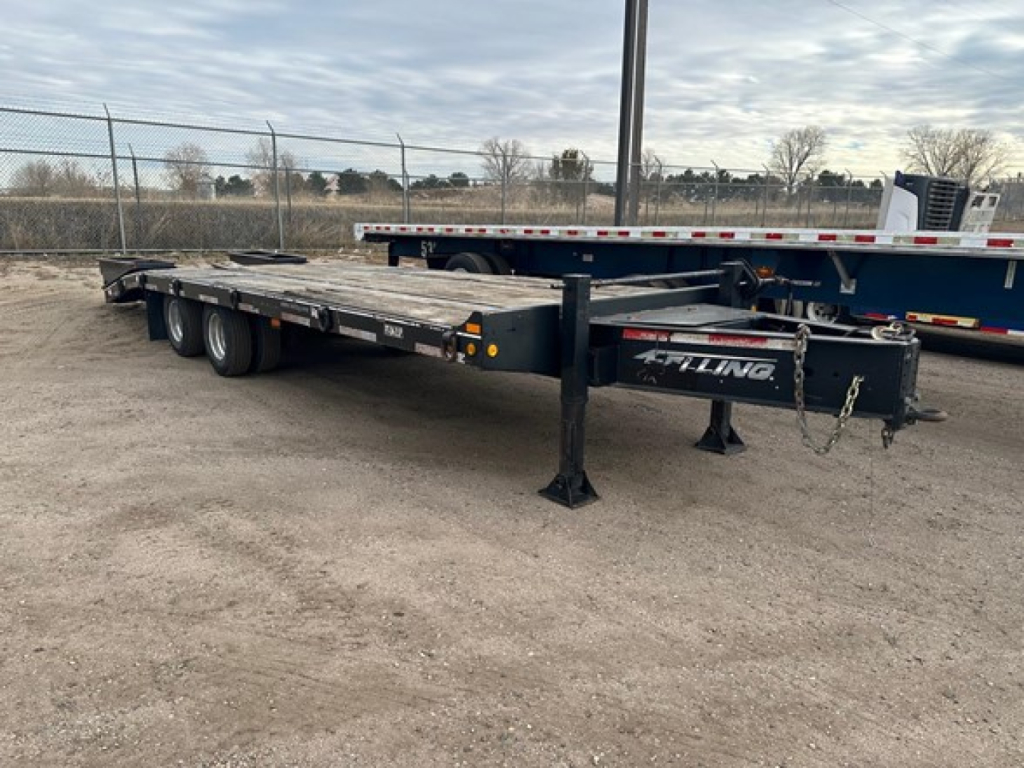
Have used felling flatbed trailer to sell? List it here to reach thousands of buyers.
About Used Felling Flatbed Trailers
The first buying decision is usually capacity and loading style. A Felling flatbed trailer may be set up with a pintle hitch or other pull-type connection, and that matters if the trailer will spend its life behind a dump truck, service truck, or medium-duty chassis. Deck length, deck height, and dovetail or beavertail design affect how easily you can load skid steers, mini excavators, small rollers, and similar equipment. Ramp angle is especially important for low-clearance machines. Buyers should also verify GVWR, axle ratings, brake type, tire size, and whether the trailer uses a closed tandem arrangement, since these details directly affect legal payload and road manners.
On a used Felling trailer, condition checks should focus on the frame, crossmembers, deck surface, suspension wear, brake performance, wiring, and ramp integrity. Wood deck condition can tell you a lot about prior use and storage habits, while uneven tire wear may point to alignment or axle issues. Look closely at hitch wear, coupler fit, lighting circuits, and any repairs around the beavertail, spring hangers, or ramp pivots. If the trailer has been used in equipment service, the presence and condition of tie-down points, D-rings, rub rail, and stake pockets matter just as much as deck size because securement flexibility is part of the trailer's real working value.
Felling flatbed trailers tend to fit buyers who want a simple, job-ready trailer with conventional parts and a broad range of applications. They are often used by contractors, municipalities, rental fleets, landscapers, and equipment owners moving machines locally or regionally. When comparing listings, focus less on model name alone and more on how the trailer is configured for your freight, tow vehicle, and loading routine. A used Felling flatbed with the right deck layout, suspension, hitch, and ramp setup will usually outperform a heavier or newer trailer that does not match the actual job.
Frequently Asked Questions
What are used Felling flatbed trailers commonly used for?
Used Felling flatbed trailers are commonly used to haul compact equipment, construction materials, attachments, and general jobsite cargo. Many are set up for skid steers, mini excavators, small tractors, pallets, and similar loads that need a simple open deck and easy loading access. Depending on the exact build, they can serve contractors, municipalities, rental operations, and owner-operators who need a practical trailer for short regional moves.
What should I inspect first on a used Felling flatbed trailer?
Start with the structural components and legal load-carrying systems. Check the frame rails, crossmembers, deck condition, ramps, beavertail area, suspension components, brakes, tires, wheels, and lighting. Then inspect the hitch or coupler for wear, look for cracks or repairs around high-stress points, and confirm that VIN and rating tags are present and readable. These items tell you more about long-term value than paint or cosmetic appearance.
Why does ramp and beavertail design matter on a flatbed trailer?
Ramp and beavertail design determine how easily equipment can be loaded without dragging, high-centering, or creating unsafe approach angles. A trailer hauling low-clearance machines benefits from a gentler loading angle, while heavier equipment requires ramps and hinge points that can handle repeated stress. Flip ramps, spring assist, and deck transition height all affect day-to-day usability, especially if loading happens often on uneven ground.
Is a pintle hitch common on Felling flatbed trailers?
A pintle hitch is common on many work-oriented Felling trailers, especially tag-style trailers used behind dump trucks, utility trucks, and medium-duty vocational chassis. Pintle setups are valued for durability and articulation on rougher jobsites, but the towing combination still needs to match the trailer's GVWR, tongue weight, brake requirements, and intended use. Buyers should confirm hitch type, lunette ring condition, and tow vehicle compatibility before purchase.
How do I compare one used Felling flatbed trailer to another?
Compare trailers by actual working specifications rather than model year alone. Focus on GVWR, axle capacity, deck length, deck width, suspension type, brake setup, hitch style, ramp configuration, and tie-down features such as stake pockets, rub rails, and D-rings. Also consider deck condition, tire age, evidence of frame repair, and how the trailer's layout matches the equipment or freight you plan to move. The best choice is usually the trailer that fits your load profile and towing setup with the fewest compromises.