
Used Dynaweld Flatbed Trailers For Sale
Shop used Dynaweld flatbed trailers, including step deck configurations, with details on deck height, GVWR, axle setups, and hauling use.
Learn more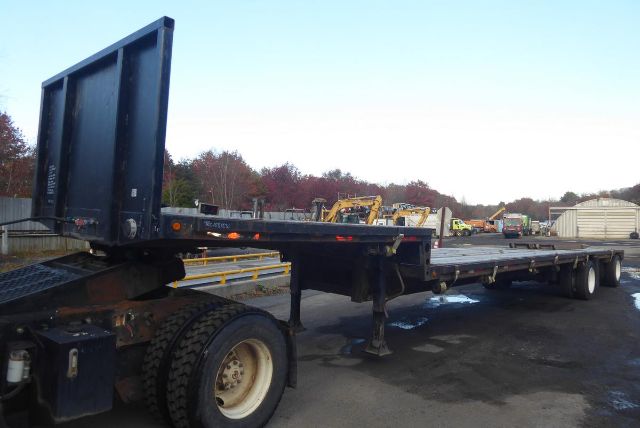
Have used dynaweld flatbed trailer to sell? List it here to reach thousands of buyers.
About Used Dynaweld Flatbed Trailers
The first specs to evaluate are deck length, deck height, trailer weight, and axle configuration. A typical used Dynaweld step deck may have a 48-foot overall length with a shorter upper deck and a longer main deck, plus an 80,000-pound GVWR and fixed spread tandem axles. Main deck height matters because a lower loaded deck can create valuable legal clearance for taller freight. Buyers should also pay attention to trailer composition and floor design. Steel trailers with wood-and-steel flooring are common in this class because they balance durability with load securement flexibility and forklift practicality.
Condition matters more than brand decals on an older flatbed trailer. Check the frame rails, crossmembers, outriggers, and suspension mounting points for rust, cracks, previous repairs, or signs of concentrated overloading. On used units, it is also smart to inspect the air ride or spring suspension, axle alignment, brake condition, wheel ends, tire wear, and the condition of the coupler area. If the trailer includes ramps, a headache rack, ratchets, straps, winches, or other securement gear, treat those as useful additions but still inspect them individually. A trailer can look serviceable and still need money in tires, brakes, bushings, or deck work.
For buyers comparing listings, the real question is how the trailer matches the freight lane. A Dynaweld flatbed or step deck used in regional machinery hauling may need different features than one assigned to general building products or steel service. Width is usually 102 inches, but deck height, ramp setup, suspension type, and securement points will affect daily usefulness more than basic dimensions alone. If your freight mix includes forklifts, equipment with low ground clearance, or taller legal loads, a used Dynaweld step deck can be a practical and cost-conscious trailer class to evaluate.
Frequently Asked Questions
What is the difference between a Dynaweld flatbed trailer and a Dynaweld step deck trailer?
A standard flatbed has one continuous deck height from front to rear, while a step deck, also called a drop deck, has an upper deck and a lower main deck. The lower main deck is the key advantage because it allows taller freight to move with more legal height than a standard flatbed. Many used Dynaweld trailers found in this category may actually be step deck configurations, so buyers should confirm deck layout, loaded deck height, and upper deck length before comparing listings.
What specs matter most when buying a used Dynaweld flatbed trailer?
The most important specs are overall length, deck length by section, deck height, GVWR, axle spread, suspension type, empty weight, and flooring composition. On a used trailer, those numbers affect legal loading, freight compatibility, and payload more than cosmetic condition. Buyers should also verify width, tire size, wheel type, and whether the trailer has fixed spread tandems, air ride suspension, ramps, or securement equipment that matches the intended work.
Is a steel Dynaweld trailer a good choice for heavy-duty hauling?
A steel trailer can be a strong choice for demanding service because it is durable and often well-suited for equipment, steel products, and rougher loading conditions. The tradeoff is tare weight. Steel construction typically weighs more than aluminum, which can reduce payload in some operations. For many buyers in machinery, construction, and mixed freight service, the durability and repair familiarity of a steel Dynaweld trailer are worthwhile, especially in the used market.
What should I inspect first on a used Dynaweld step deck or flatbed trailer?
Start with the structural areas that are expensive to repair or that affect safety and alignment. That includes the main frame rails, crossmembers, neck area, kingpin plate, suspension hangers, axle alignment, and landing gear mounts. After that, inspect brakes, air system components, tires, wheels, lights, and floor condition. If the trailer comes with ramps, straps, ratchets, or a headache rack, inspect those separately because included accessories do not guarantee road-ready condition.
Are ramps and securement gear important on a used Dynaweld trailer?
Yes, especially if the trailer will be used for machinery or mixed freight. Loose or rear-hook ramps can make a step deck far more useful for small equipment, forklifts, and wheeled units. Securement equipment such as ratchets, straps, winches, D-rings, and stake pockets affects how quickly and safely loads can be tied down. Buyers should confirm not just that the equipment is present, but that it is the right type, capacity, and condition for the freight they plan to haul.