
Dynaweld Flatbed Trailers For Sale in New York
Browse Dynaweld flatbed trailers for sale, including step deck and flatbed configurations built for steel, machinery, lumber, and general freight.
Learn more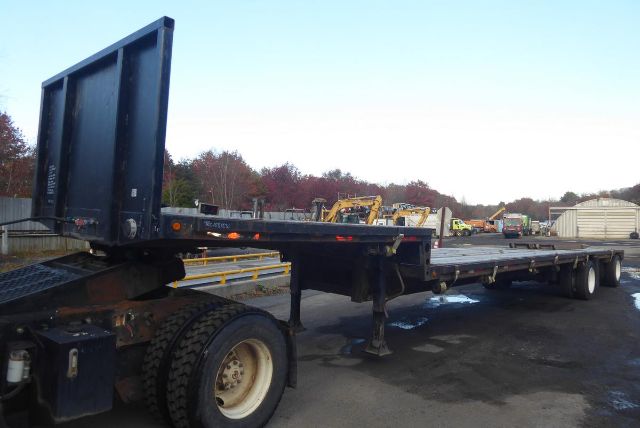
Have dynaweld flatbed trailer to sell? List it here to reach thousands of buyers.
About Dynaweld Flatbed Trailers in New York
The biggest buying decision is matching the trailer to the cargo mix. A standard flatbed works well for palletized building materials, steel, lumber, pipe, and equipment that loads cleanly from the side or overhead. A Dynaweld step deck adds flexibility for machinery, taller fabricated parts, and freight that benefits from an upper deck and lower main deck arrangement. Pay close attention to deck height, upper deck length, main deck length, and rear loading setup if ramps are included. Buyers hauling compact equipment, forklifts, or small construction machines should inspect ramp capacity, rear approach angle, and crossmember condition, especially on older trailers.
Spec details drive operating cost and usability. Suspension type affects ride quality and cargo protection, while axle spread and kingpin setting affect bridge law compliance and weight distribution. Tire size, wheel type, brake condition, and hub standard all matter for parts compatibility and maintenance planning. On a used Dynaweld flatbed, buyers should closely inspect the main beams, crossmembers, outriggers, winch track, rub rail, landing gear mounts, and rear frame for repairs or distortion. Floor wear, scuffing around chain tie-down points, and rust at stress areas can tell you a lot about how the trailer was worked and maintained.
For buyers operating in New York and the Northeast, corrosion exposure is a bigger factor than in drier regions, so underbody condition and air system integrity deserve extra attention. A good flatbed trailer should be easy to secure, legal to scale, and durable enough for repeated forklift loading and weather exposure. Dynaweld trailers appeal to buyers who want a no-nonsense platform for general commodity hauling, steel service, or equipment transport without paying for unnecessary complexity.
Frequently Asked Questions
What should I look for when buying a used Dynaweld flatbed trailer?
Start with structural condition. Inspect the frame rails, crossmembers, suspension hangers, landing gear area, and rear impact structure for cracks, repairs, bends, or heavy corrosion. Check the deck for soft spots, broken boards, or steel fatigue around concentrated load areas. Then review wear items such as brakes, tires, bushings, airbags, lights, and air lines. On a flatbed or step deck, tie-down equipment matters too, so inspect the rub rail, winches, chain slots, and stake pockets for damage or excessive wear.
Are Dynaweld step deck trailers different from standard flatbeds?
Yes. A Dynaweld step deck, also called a drop deck trailer, has two deck levels instead of one continuous deck. The upper front deck sits above the tractor tires, while the main deck drops lower behind it. That lower deck height allows taller freight to move legally compared with a standard flatbed. Buyers hauling equipment, crated machinery, or taller fabricated loads often prefer a step deck for the extra height clearance and easier loading angle.
What axle setup is common on Dynaweld flatbed trailers?
Tandem axle configurations are common, including fixed tandem and spread axle layouts. The right setup depends on freight weight, bridge law requirements, and the states where the trailer will run. Spread axles can help with weight distribution and can be common on flatbeds hauling dense loads, but they may change turning characteristics and tire scrub. Buyers should verify axle spacing, suspension type, and legal operating requirements before purchase.
Is steel construction a good choice on a flatbed trailer?
Steel construction offers durability, repairability, and strength for demanding freight applications, which is why many work-focused flatbeds use it. The tradeoff is weight. A heavier steel trailer may reduce payload compared with an aluminum design, but it can hold up well in rough service, repeated loading, and equipment hauling. For buyers prioritizing toughness and easier structural repair over maximum payload, a steel flatbed can be a practical choice.
What matters most on a flatbed trailer used in New York?
Corrosion resistance and braking condition should be near the top of the list. Road salt, freeze-thaw cycles, and heavy seasonal moisture can accelerate rust on the frame, crossmembers, air tanks, and brake components. Buyers in New York should inspect the underside carefully, look for seized or weakened hardware, and confirm that lights, ABS components, and air systems are in sound working order. Tire condition and suspension wear are also important because of rough roads and dense regional traffic.