
Flatbed Trailers For Sale in Connecticut
Shop flatbed trailers for sale in Connecticut. Compare aluminum and steel decks, axle setups, length, suspension, and cargo securement features.
Learn moreBrowse Flatbed Trailers by Make
Have flatbed trailer to sell? List it here to reach thousands of buyers.
About Flatbed Trailers in Connecticut
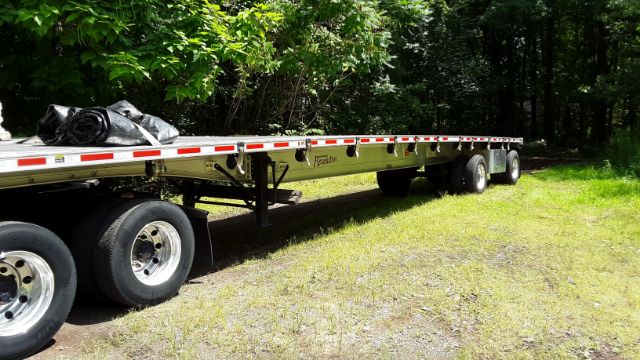
The first buying decision is usually deck construction and weight. Aluminum flatbed trailers reduce tare weight and help maximize payload, while steel and combo designs can offer a different balance of durability, repair cost, and purchase price. Common lengths are 48 and 53 feet, typically at 102 inches wide, with tandem or spread axle configurations depending on bridge law strategy and load distribution needs. Buyers should also look closely at kingpin setting, crossmember spacing, floor type, suspension, and brake specification. Air ride suspension is common on freight-sensitive applications, and features like a coil package, sliding winches, rub rail style, stake pockets, and chain spool locations can make a major difference in how efficiently the trailer handles real freight.
Cargo securement details matter as much as the base trailer. A good flatbed setup often includes enough winches for standard strap work, plus compatible stake pockets, chain ties, and a deck that supports dunnage use without excessive wear. Scuff protection, LED lighting, toolboxes, aluminum wheels, and tire inflation systems can also affect day-to-day uptime. For buyers comparing used flatbed trailers, condition should be evaluated around the main rails, crossmembers, floor fastening points, suspension components, slider or axle alignment, brake wear, tire wear pattern, and any signs of past deck overload or concentrated coil damage. Open-deck trailers tend to show their work history clearly if you know where to look.
A flatbed trailer is often the most versatile trailer in a fleet, but the right one depends on the freight lane, securement method, and weight target. Heavy commodity hauling may call for a more robust frame and concentrated load capability, while general freight operations often prioritize lighter empty weight and flexible securement options. In Connecticut and the broader Northeast, maneuverability, axle placement, and bridge compliance can matter just as much as raw deck length. Buyers who match trailer spec to freight profile usually see better payload efficiency, faster loading cycles, and lower maintenance cost over time.
Frequently Asked Questions
What size flatbed trailer is most common?
The most common flatbed trailer lengths are 48 feet and 53 feet, usually with a 102-inch wide deck. A 48-foot flatbed remains a common choice for general freight and regional work, while 53-foot models can provide more deck space for lighter or longer freight. The right length depends on freight profile, state bridge considerations, and how often the trailer operates in tight delivery areas.
Is an aluminum flatbed better than a steel flatbed?
An aluminum flatbed usually offers lower tare weight, which helps increase legal payload and improve fuel efficiency. A steel flatbed can be attractive for certain heavy-duty applications because of its structure, repair familiarity, and sometimes lower upfront cost. Many buyers also consider combo trailers that use both materials. The better choice depends on the freight being hauled, the target payload, corrosion exposure, and maintenance strategy.
What features matter most on a used flatbed trailer?
The most important used flatbed trailer checks are frame condition, crossmember integrity, floor wear, suspension condition, brake life, tire wear pattern, axle alignment, and cargo securement hardware. Buyers should also inspect the rub rails, stake pockets, winches, kingpin area, landing gear, and lighting harness. Signs of concentrated load damage, cracked welds, bent rails, or uneven deck wear can indicate a trailer that has seen hard service or improper loading.
What is a coil package on a flatbed trailer?
A coil package is a reinforcement and securement setup designed to handle steel coil hauling. It often includes rated coil wells or deck reinforcement and securement points suited for concentrated loads. This matters because coil freight places high stress on a small section of the deck. If steel coil is part of the freight mix, a proper coil package is an important spec rather than an optional extra.
Should I choose tandem axles or a spread axle flatbed?
Tandem axles can be easier to maneuver and are common in operations with tighter delivery conditions. Spread axle flatbeds can improve load distribution and are often chosen to help with bridge law compliance and weight placement on certain loads. The tradeoff is that spread configurations can increase tire scrub in tight turns. The best axle setup depends on route type, commodity weight, and how often the trailer operates in confined job sites or urban areas.