
Dump Trailers For Sale in Washington
Shop dump trailers for sale in Washington. Compare steel end dumps by axle count, cubic yard capacity, weight, tarp systems, and hydraulic specs.
Learn more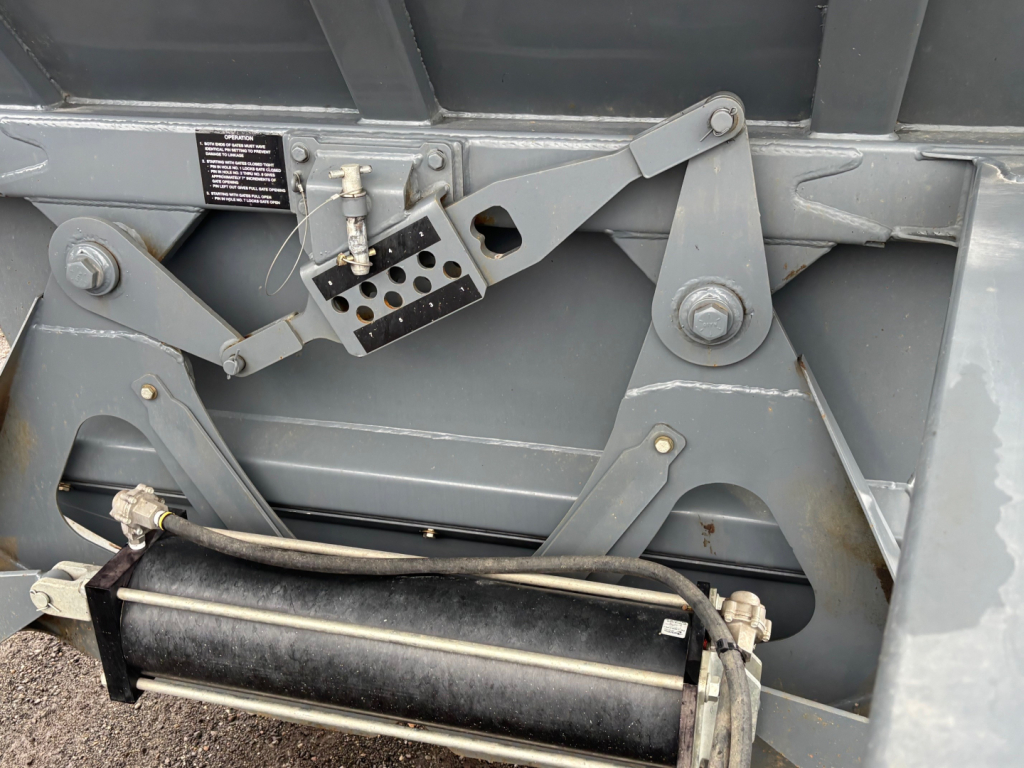
Have dump trailer to sell? List it here to reach thousands of buyers.
About Dump Trailers in Washington
A major buying decision is the balance between payload and durability. Lightweight steel and high-cube designs can improve legal payload while still standing up to abrasive material, but buyers should look closely at tub construction, crossmember design, kingpin plate reinforcement, and wear areas around the gate and hinge points. Capacity in this class often falls in the mid-20-yard range, though actual usable volume depends on material density and side height. Features such as bolt-on fenders, push blocks, drain plugs, infinite gate control, and front-to-back electric tarps add day-to-day practicality and can reduce downtime when the trailer is used hard.
Hydraulic compatibility is another point that should be confirmed before purchase. Many dump trailers in this class require a wet kit capable of roughly 2,500 to 2,700 PSI and about 25 to 30 GPM, although exact requirements vary by hoist and body spec. Suspension type affects both ride quality and maintenance, and air ride remains popular for reducing shock load on the trailer and tractor. In Washington, where haul routes can range from paved metro work to rough access roads around quarries and excavation sites, tire condition, brake life, and frame integrity deserve a close look on used units. Buyers should also check kingpin setting, overall length, and axle ratings against the tractor they plan to run and the bridge laws that apply to their lanes.
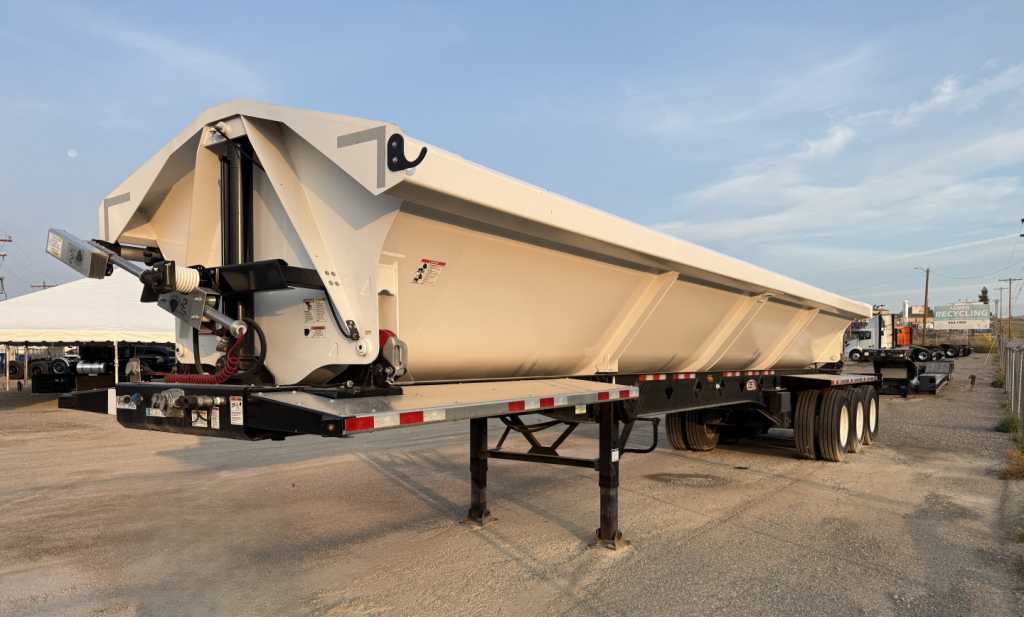
Steel dump trailers, also known as end dump trailers, are built for fast cycle times and simple unloading, but they are not all spec'd for the same material or route profile. A 42-foot tri-axle with a 36-foot tub suits many regional construction applications, while a 46-foot lightweight quad can make sense for operators chasing every pound of legal payload. The best choice comes down to what you haul most often, how rough the loading environment is, and how your truck's hydraulic system, fifth wheel setting, and overall wheelbase match the trailer. Buyers who focus on structural condition, suspension spec, gate control, and tare weight usually make the strongest long-term purchase in this category.
Frequently Asked Questions
What is the difference between a tri-axle and quad-axle dump trailer?
A tri-axle dump trailer typically offers a simpler, lighter setup that works well for many regional hauling applications, while a quad-axle dump trailer can improve weight distribution and may help maximize legal payload depending on the tractor and route. The tradeoff is that quads usually add complexity, tire expense, and overall trailer weight. The right choice depends on bridge law, target payload, material type, and how often the trailer runs in tight job sites versus open highway miles.
What hydraulic system does a dump trailer need?
Most end dump trailers require a tractor with a properly matched wet kit, and many common specs fall around 2,500 to 2,700 PSI with 25 to 30 GPM flow. That requirement can vary by cylinder design, body length, and trailer manufacturer. Buyers should confirm pressure, flow, reservoir capacity, plumbing, and valve compatibility before putting a trailer into service, because an under-spec'd hydraulic system can lead to slow cycle times, poor hoist performance, or premature component wear.
Is a steel dump trailer better than aluminum for this category?
Steel dump trailers are generally preferred when the job involves abrasive or impact-heavy materials such as demolition debris, riprap, broken concrete, and quarry products. Steel bodies usually tolerate abuse better and are easier to repair in severe-duty service. Aluminum can reduce empty weight and increase payload in the right application, but for many construction and aggregate operations in Washington, steel remains the more common choice when durability matters more than tare weight alone.
What capacity should I look for in a dump trailer?
Capacity should be matched to the material you haul most often, not just the biggest number on the spec sheet. Many dump trailers in this class are in the 24 to 28 cubic yard range, but light material may cube out before reaching gross weight, while dense aggregate can gross out well before the body is full. Buyers should compare cubic yard rating, side height, body length, empty weight, and axle ratings together to understand true earning potential.
What should I inspect on a used dump trailer?
Pay close attention to the tub floor, sidewalls, gate hardware, hinge area, frame rails, crossmembers, kingpin plate, suspension, and hoist mounting points. Uneven tire wear, brake condition, cracked welds, bent push blocks, and tarp system issues can signal hard use or deferred maintenance. It is also smart to verify axle lifts, landing gear operation, drain plugs, and signs of prior structural repair, especially on trailers that have hauled heavy aggregate or demolition material.