
Ranco Dump Trailers For Sale in Washington
Browse Ranco dump trailers for sale, including lightweight high-cube ag and construction haulers with common specs, axle options, and tarp setups.
Learn more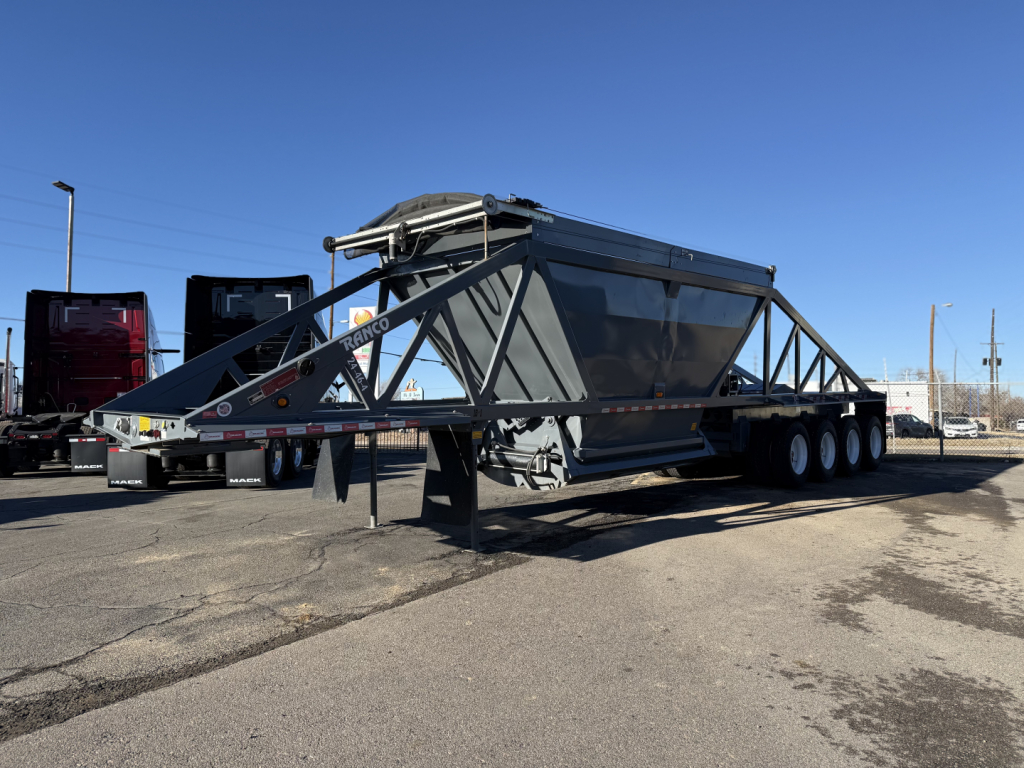
Have ranco dump trailer to sell? List it here to reach thousands of buyers.
About Ranco Dump Trailers in Washington
On this type of trailer, key specs usually come down to overall length, cubic yard capacity, liner and body material, kingpin plate design, suspension, and axle configuration. Common dump trailer considerations include quarter-frame versus frameless construction, air ride versus spring suspension, lift axles, gate style, and tarp system. Ranco trailers are often spec'd for lightweight hauling without giving up structural strength where it matters, so buyers should compare empty weight against intended material. If the trailer will spend most of its life on paved runs hauling sand, grain, or light aggregate, a high-volume lightweight trailer can pencil out well. If the route includes rough pit access, sharp rock, or frequent off-camber dumping, frame strength, cylinder condition, hinge area wear, and body cracking deserve extra attention.
A serious buyer should also evaluate how the trailer is set up for day-to-day loading and unloading. Electric front-to-back tarps, infinite gate controls, bolt-on fenders, and lift axle configurations can affect productivity as much as the body spec itself. Tire percentage, brake life, bushing wear, and hoist pin play tell you a lot about remaining service life. Rubber bushed kingpin plates and suspension components can help with ride quality and stress transfer, but they should still be inspected for wear and movement. On frameless or lightweight dump trailers, look closely at crossmember condition, upper rail straightness, rear frame alignment, and signs of twisting from uneven dumps.
For Washington operations, it also helps to match the trailer to the terrain and commodity. Mountain grades, wet pit conditions, and mixed highway-jobsite use put a premium on brake performance, stable tracking, and a tarp and gate system that works reliably in poor weather. A Ranco dump trailer can be a strong fit for fleets that need a lightweight bulk hauler, an end dump for general construction, or a higher-cube trailer for agricultural products. The right choice comes down to payload target, material type, axle spread, and how hard the trailer will be worked off-road versus on the highway.
Frequently Asked Questions
What should I look for first when buying a used Ranco dump trailer?
Start with empty weight, body condition, and suspension setup. A used Ranco dump trailer may be attractive because of its lightweight design, but the best value depends on how that weight savings aligns with your commodity and route. Inspect the hoist, hinge points, upper rails, floor, rear frame, and kingpin area for cracking, distortion, or signs of repeated overloading. Then check tire and brake remaining life, axle alignment, bushing wear, tarp operation, and gate controls because those items affect immediate operating cost.
Are Ranco dump trailers better for lightweight bulk hauling or heavy construction material?
Many Ranco dump trailers are popular in lightweight bulk hauling because they are often spec'd to maximize payload without excessive tare weight. That said, the right trailer can also handle construction materials if the body, frame design, and suspension are matched to the job. Buyers hauling sand, grain, mulch, or lighter aggregate may prioritize cubic capacity and low empty weight, while buyers hauling riprap, asphalt millings, or demolition debris should focus more on structural spec, body thickness, liner condition, and overall durability.
What axle and suspension options matter most on a dump trailer?
Axle count, lift axle configuration, and suspension type have a direct impact on payload flexibility, tire wear, ride quality, and legal operation. Air ride suspension is common on higher-spec dump trailers because it can improve ride and reduce shock transfer to the body, while lift axles can help with bridge compliance and reduce scrub when running empty or lightly loaded. Buyers should also confirm brake type, hub condition, and any signs of uneven wear that could point to alignment or suspension issues.
How important are tarp and gate systems on a Ranco dump trailer?
They matter more than many buyers expect because they directly affect cycle time, load security, and cleanup. An electric front-to-back tarp is a valuable feature for operations making frequent stops or running in wet conditions, and a well-functioning gate system helps control discharge and reduce spillage. Infinite gate control can be especially useful when hauling commodities that need a more controlled flow. When evaluating a trailer, make sure the tarp arms, motor, wiring, pivot points, and gate seals are all in serviceable condition.
What is the difference between a high-cube dump trailer and a heavier-duty spec?
A high-cube dump trailer is built to carry more volume, which makes it a strong choice for lower-density materials where cubic capacity limits the load before axle weight does. A heavier-duty spec usually gives up some payload advantage in exchange for stronger body construction, more reinforcement, and better suitability for abrasive or high-impact materials. The best choice depends on whether your operation is weight-limited, cube-limited, or consistently exposed to harsh loading and unloading conditions.