
Trail King Dump Trailers For Sale in Colorado
Browse Trail King dump trailers for sale, including bottom dump configurations built for aggregate, paving, road base, and high-cycle hauling.
Learn more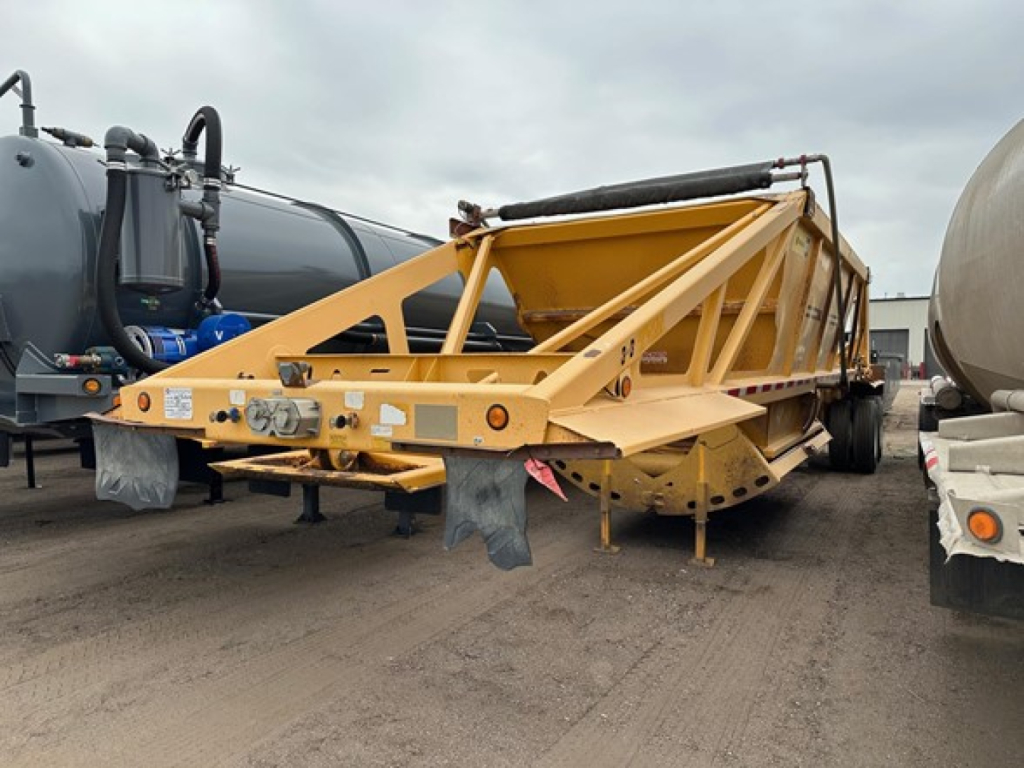
Have trail king dump trailer to sell? List it here to reach thousands of buyers.
About Trail King Dump Trailers in Colorado
The first decision is usually dump style and suspension setup. Bottom dumps, sometimes called belly dumps, are designed to unload through hopper gates underneath the trailer rather than raising the body like an end dump. That gives them a lower center of gravity during discharge and makes them well suited for spreading material in a controlled line. Common specs include single or multiple hopper arrangements, air ride or spring suspension, tandem axle setups, 40-foot overall lengths, and 11R24.5 rubber on steel or aluminum wheels. Buyers should pay attention to gate operation, valve condition, tarp system type, kingpin setting, and whether the trailer has useful jobsite equipment such as push blocks, fenders, and windrow deflectors.
Frame condition and hopper wear are major value drivers on a used Trail King dump trailer. Check the crossmembers, gate seals, pivot points, hinge areas, suspension hangers, and the discharge system for signs of cracking, elongation, or prior repair. On bottom dumps, smooth gate action and even material flow matter because poor sealing or worn controls can lead to product loss and inconsistent spread. In mountain and Front Range service, brake condition, tire match, bushing wear, and alignment are especially important because these trailers often see uneven surfaces, frequent cycles, and loaded highway miles between pits and jobsites.
A good Trail King dump trailer is usually purchased for productivity, not just capacity. Buyers comparing listings should think about the material being hauled, the surface conditions at the dump point, and how the trailer will match with the tractor and route. Air ride can help protect the trailer and improve material handling on rougher roads, while a closed tandem setup may be preferred for certain state and job requirements. If the work involves paving, road shoulder work, or controlled aggregate placement, a bottom dump trailer can move more material with less unloading downtime than other dump trailer styles.
Frequently Asked Questions
What is the main advantage of a Trail King bottom dump trailer compared with an end dump?
A bottom dump trailer unloads through gates under the hopper, so it can discharge material while moving and place it in a controlled windrow. That makes it especially useful for road building, paving support, and aggregate spreading. It also avoids raising the trailer body, which helps maintain stability during unloading on uneven ground or in windy conditions.
What should I inspect first on a used Trail King dump trailer?
Start with the hopper structure, gate assemblies, frame rails, crossmembers, suspension, and brake system. On a bottom dump, worn gate seals, sloppy pivots, damaged linkage, and patched hopper areas can affect both productivity and repair cost. Tire condition, wheel ends, tarp function, and signs of stress around hangers or kingpin areas also deserve close attention.
Are Trail King dump trailers a good fit for Colorado hauling?
They can be a very practical fit for Colorado because many applications in the state involve aggregate, road base, excavation material, and paving support over mixed terrain. Buyers should still match the trailer to the route and legal requirements, especially axle configuration, suspension type, brake condition, and overall trailer setup for mountain grades, quarry access roads, and highway travel.
What common specs do buyers look for in a Trail King bottom dump trailer?
Common points of interest include overall length, hopper count, axle configuration, suspension type, tire size, wheel material, tarp system, and discharge controls. Many buyers also look for options such as air ride suspension, electric flip tarps, windrow deflectors, fenders, push blocks, and a closed tandem layout, depending on the intended work.
How do I know if a bottom dump trailer is right for my operation?
A bottom dump trailer is usually the right choice when the job requires fast cycle times and controlled material placement rather than dumping into a pile. It is commonly used for sand, gravel, road base, asphalt-related work, and other bulk materials that benefit from even discharge. If your routes and jobsites call for precise spreading and repeated unloads, it can be more efficient than other dump trailer types.