
CTS Dump Trailers For Sale
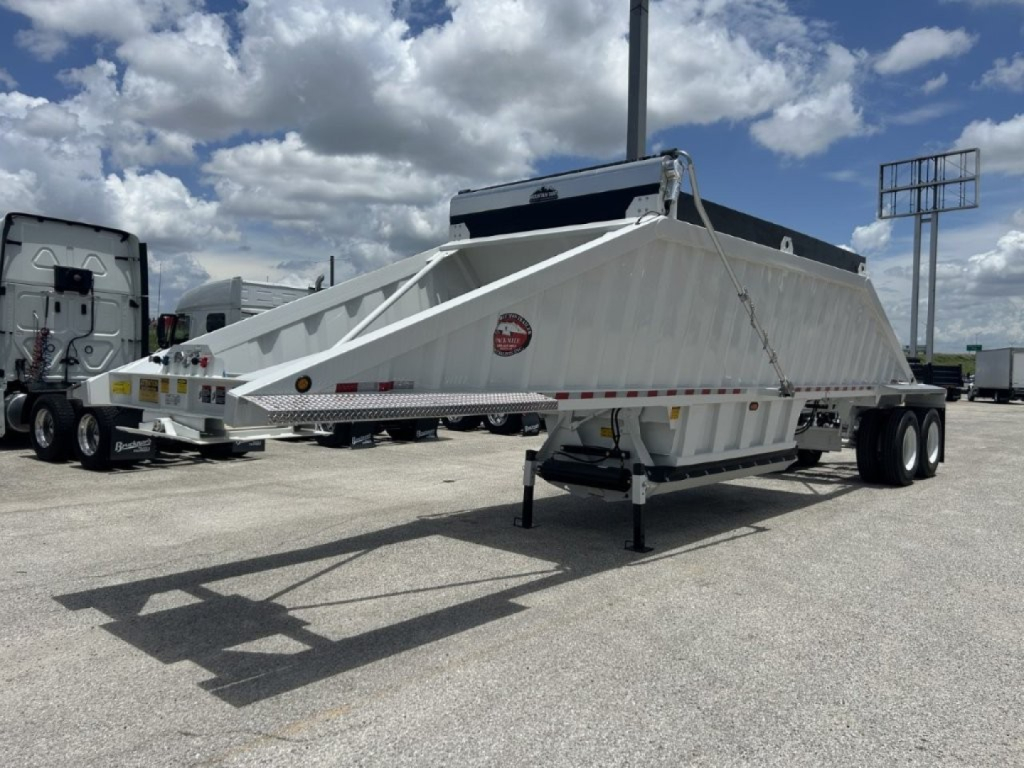
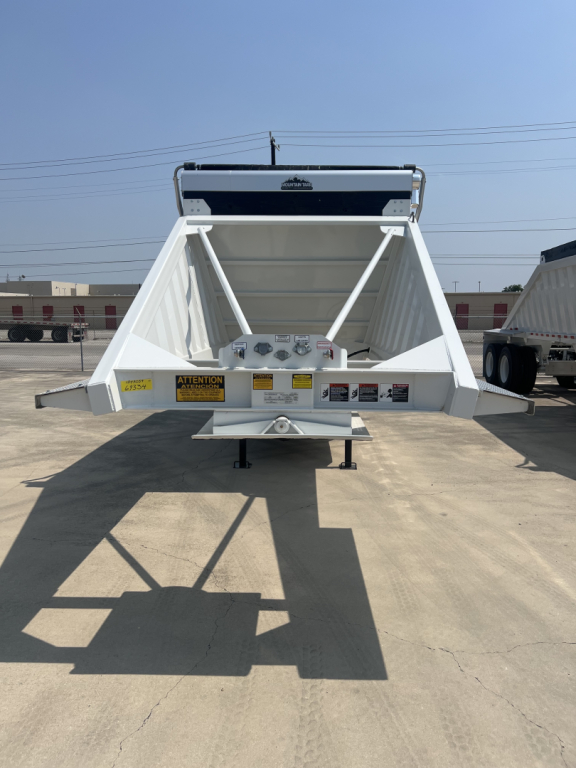
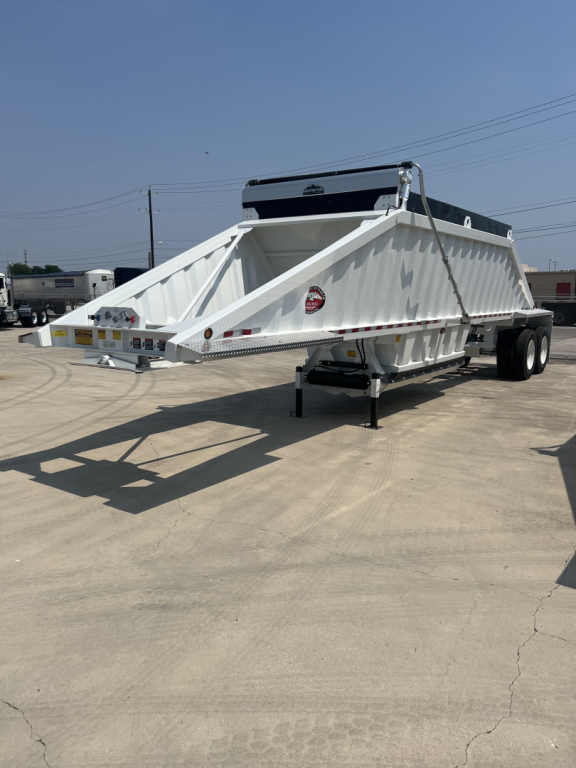
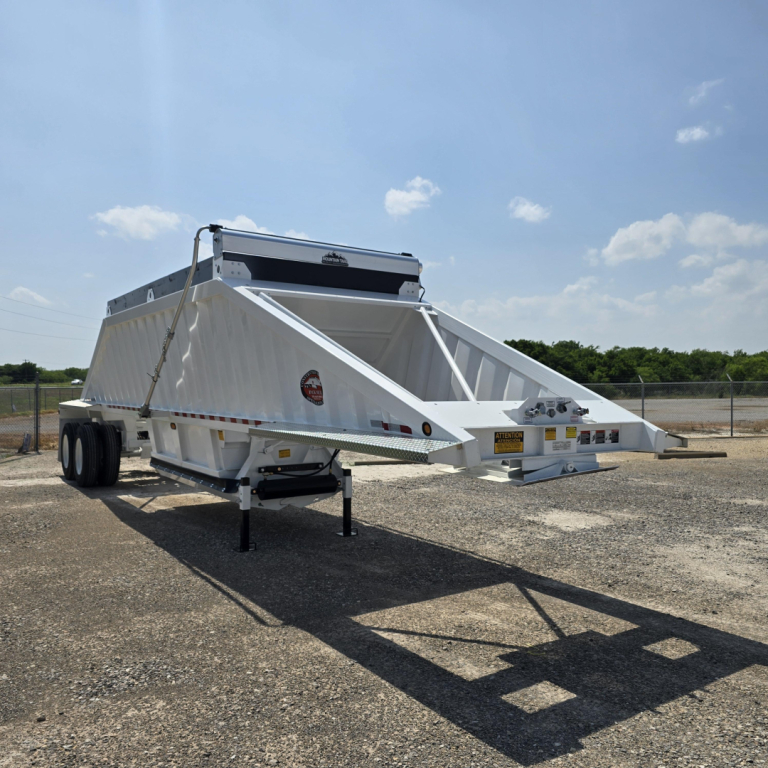
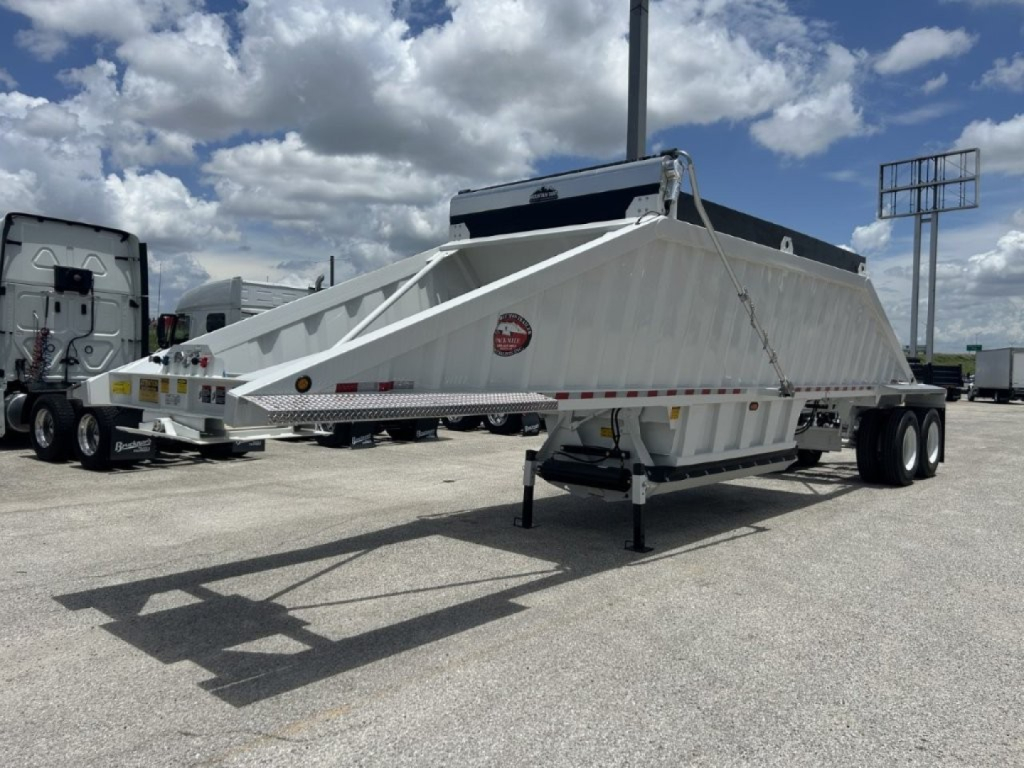
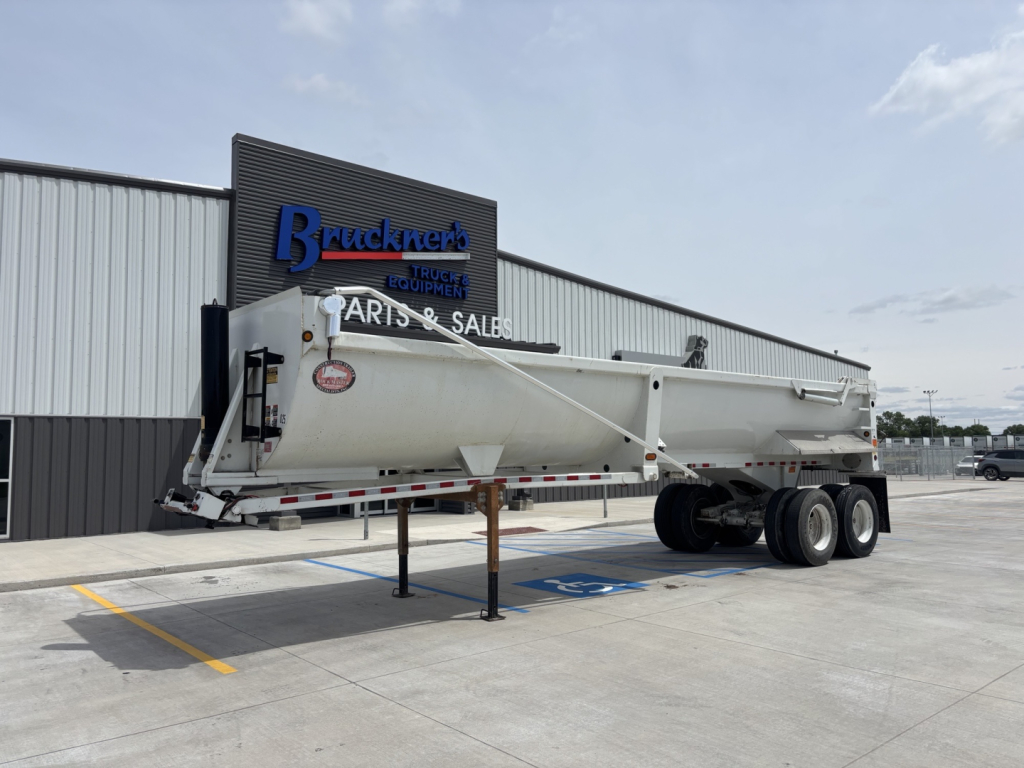
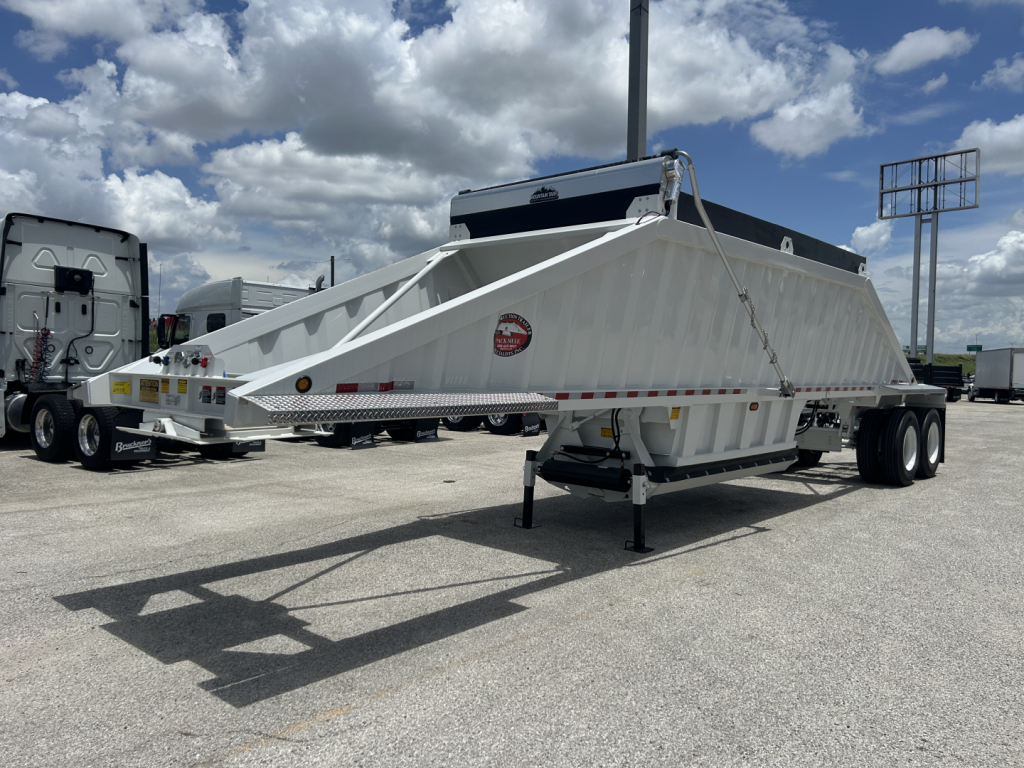
Shop CTS dump trailers including end dumps and half-rounds with tandem axles, steel bodies, tarp systems, and spring or air ride suspensions.
Learn more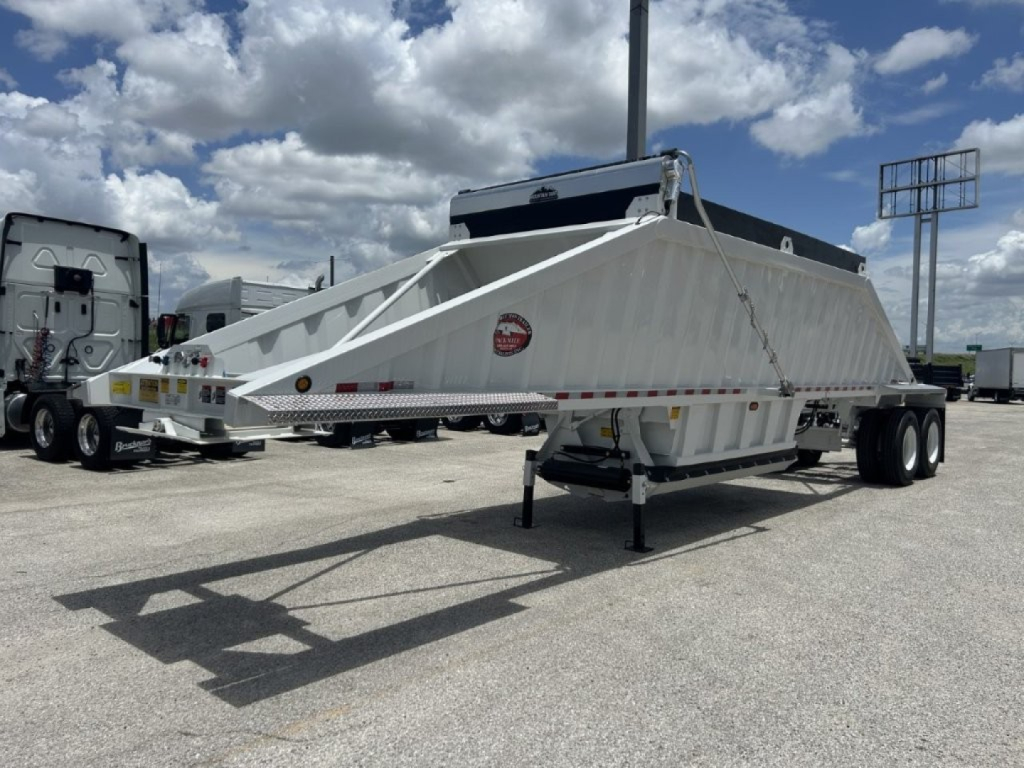
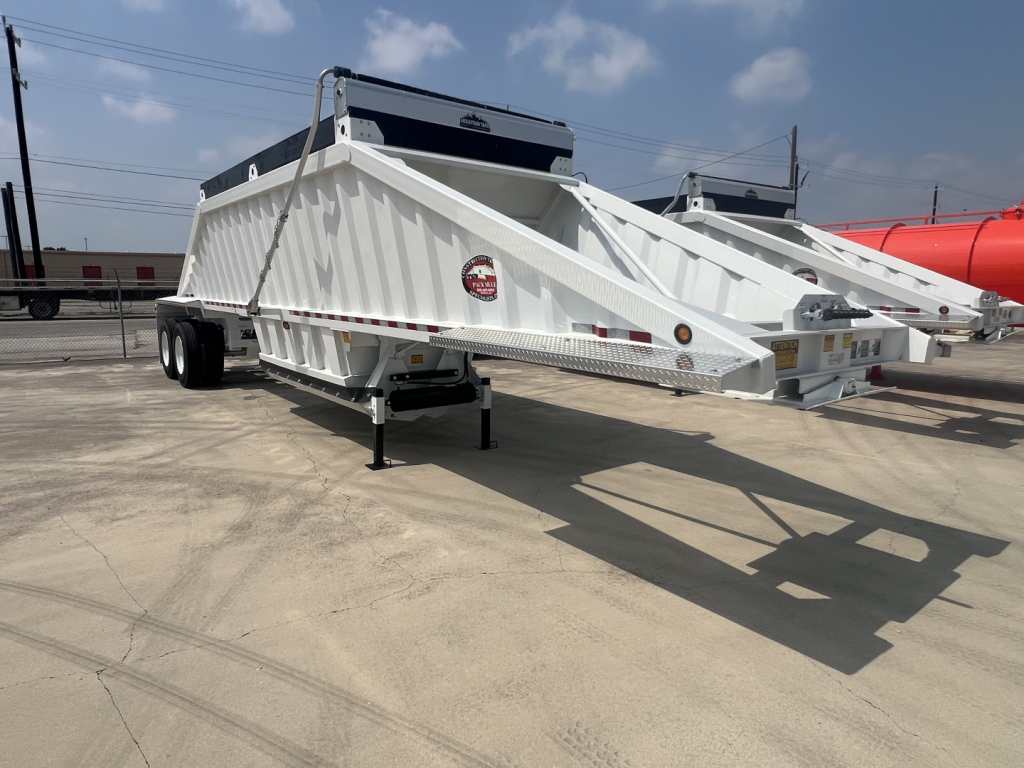
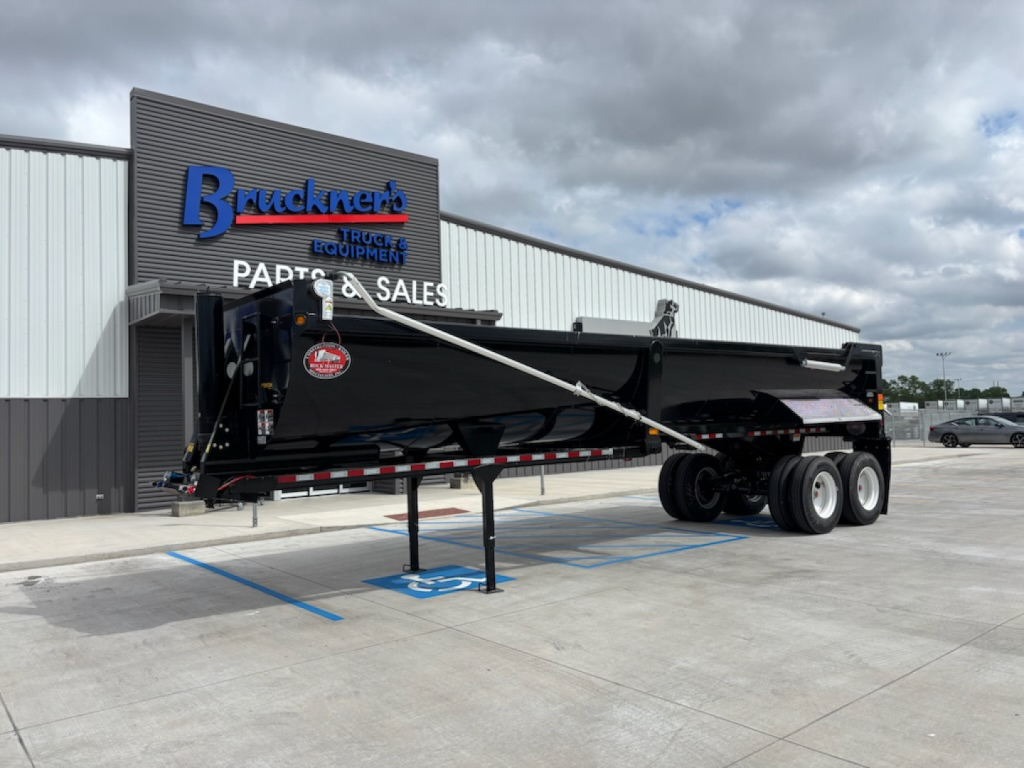
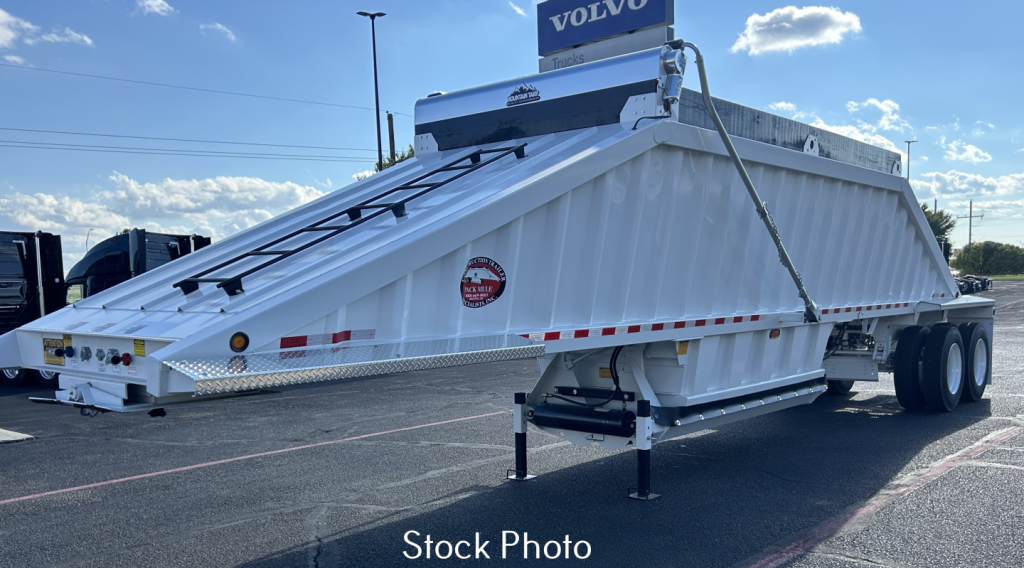
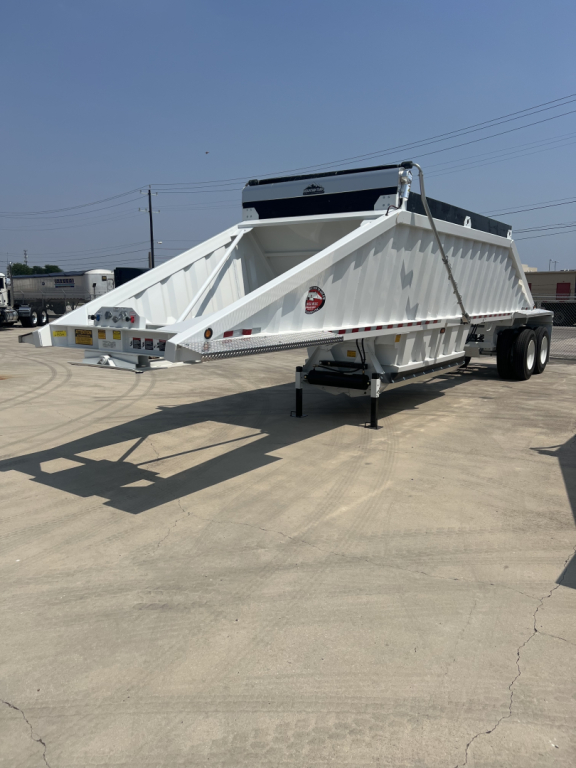
Showing 25 to 36 of 40 results
Have cts dump trailer to sell? List it here to reach thousands of buyers.
About CTS Dump Trailers
The first buying decision is usually body style. A frameless half-round trailer is favored for sticky or high-impact material because the tub shape sheds loads cleanly and stands up well to rock, broken concrete, and rough demolition work. A conventional end dump with boards and optional slope sheets can be a better fit when payload distribution, sidewall configuration, or application-specific loading matters more. Slope sheets help funnel material toward the center and improve cleanout with certain products, while no-slope-sheet bodies can be preferred in operations where loading style or material flow does not require them. Cross gate and high-lift rear gate configurations are also worth comparing because gate design affects unloading speed, spreading control, and jobsite versatility.
Suspension choice matters as much as body design. Spring ride CTS dump trailers are straightforward, durable, and commonly chosen for severe-service routes, rough access roads, and fleets that prioritize mechanical simplicity. Air ride versions can improve ride quality and help reduce shock transfer to the trailer and load, which can matter on longer hauls or when trying to limit vibration-related wear. On some frameless half-round models, buyers may also see single-point suspension setups that are common in dump applications. Look closely at push block design, quick-release valves, tarp system type, and fender construction. Features like electric flip tarps, windrow deflectors, aluminum diamond plate fenders, and cab-operated controls can make a noticeable difference in day-to-day use.
A good CTS dump trailer spec comes down to matching the trailer to the material and route. Rock, scrap, and demolition applications put more emphasis on body durability, gate integrity, and suspension toughness. Asphalt, sand, gravel, and milling work may put more emphasis on clean discharge, tarp reliability, and body configuration. Buyers should also verify hoist compatibility, liner condition if equipped, tub or floor wear, gate hinge condition, tire and brake life, and signs of stress around suspension mounts and rear frame sections. For fleets comparing multiple used or new CTS dump trailers, the best value is usually the trailer whose body style, suspension, and gate package already match the work instead of requiring post-purchase changes.
Frequently Asked Questions
What is the difference between a CTS half-round dump trailer and a conventional end dump?
A CTS half-round dump trailer uses a rounded frameless tub that is designed to shed material efficiently and handle abrasive or high-impact loads well. It is a common choice for rock, demolition debris, and other materials that can hang up in square-corner bodies. A conventional end dump typically has straighter body lines, board options, and may include slope sheets, which can make it better suited for operations that want a specific load profile or discharge pattern. The right choice depends on the material being hauled, the loading method, and how important cleanout is in daily operation.
Should I choose spring ride or air ride on a CTS dump trailer?
Spring ride is often selected for severe-duty dump work because it is simple, rugged, and familiar to many maintenance shops. It performs well in rough terrain and on short-haul aggregate or construction routes. Air ride can offer better ride quality and may reduce shock to the trailer over longer distances, which can help with driver comfort and wear control. The best suspension depends on road conditions, average trip length, maintenance preferences, and how aggressively the trailer will be used off pavement.
What are slope sheets on a dump trailer, and do they matter?
Slope sheets are angled panels inside the body that help guide material toward the center during unloading. They can improve cleanout with certain products and can help control how the load moves as the body is raised. In some applications, especially with free-flowing material or where maximum usable body shape is preferred, buyers may choose a trailer without slope sheets. They matter most when the material tends to bridge, stick, or discharge unevenly.
What specs should I check first on a used CTS dump trailer?
Start with the body style, length, axle configuration, suspension type, and gate setup because those determine whether the trailer fits the work. After that, inspect tire and brake life, floor and tub wear, rear frame condition, hinge points, suspension mounts, tarp operation, and signs of previous structural repair. On frameless trailers, pay close attention to stress areas around the suspension and hoist mounting points. A trailer can look clean cosmetically but still be mismatched for the material or route, so the operating spec should come before appearance.
Are CTS dump trailers commonly used for aggregate and asphalt work?
Yes. CTS dump trailers are commonly spec'd for aggregate, gravel, sand, millings, and asphalt-related hauling, especially in tandem axle steel configurations. Body lengths around 36 to 40 feet and capacities around the mid-20 cubic yard range are common for regional bulk-material service. Features such as electric tarp systems, windrow deflectors, high-lift gates, and durable steel construction are all relevant to paving, quarry, and site-development operations.