
CTS Dump Trailers For Sale in Texas
Shop CTS dump trailers built for aggregate, asphalt, and road work, with 40-foot tandem configurations, tarp systems, and spring or air ride.
Learn more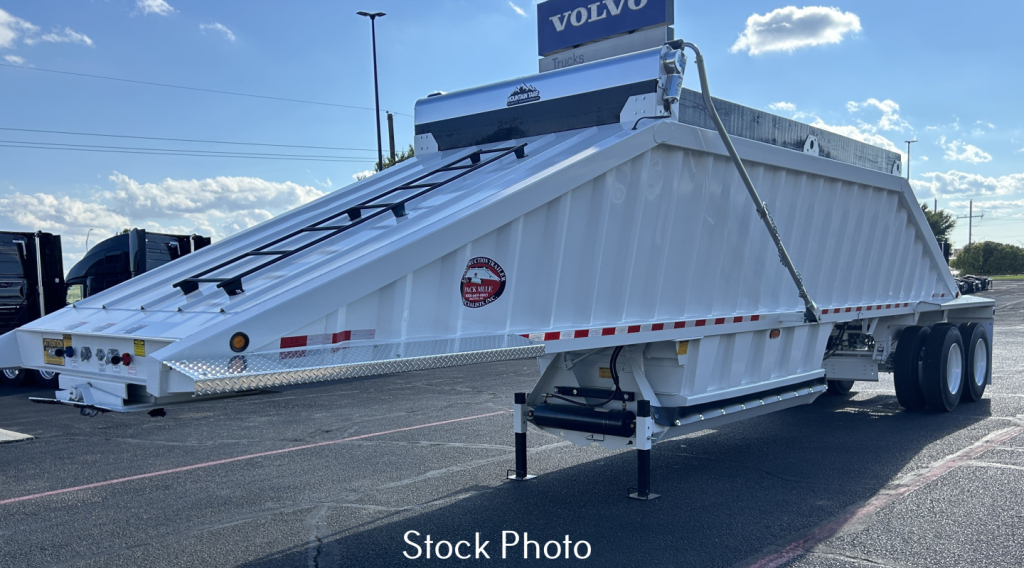
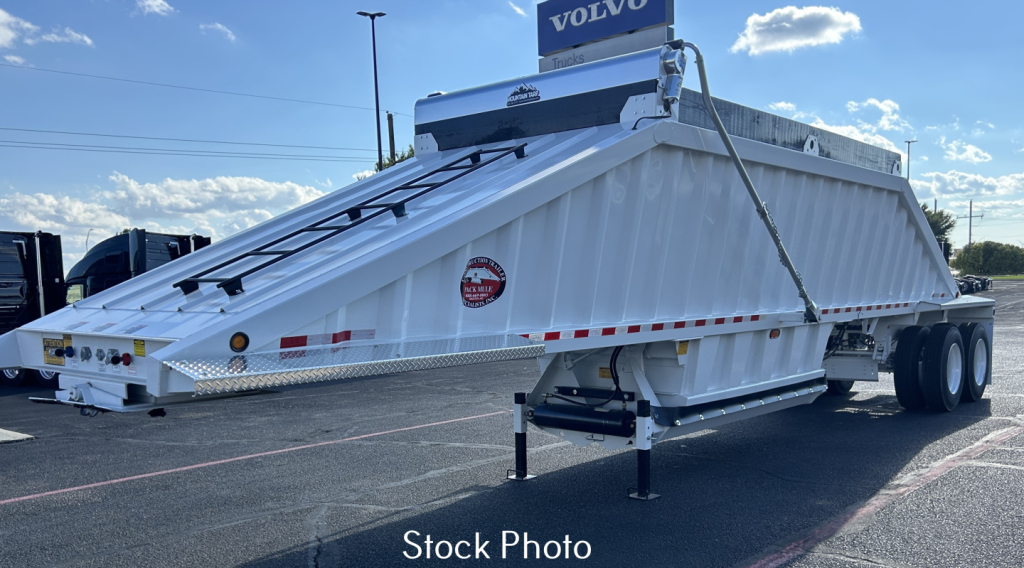
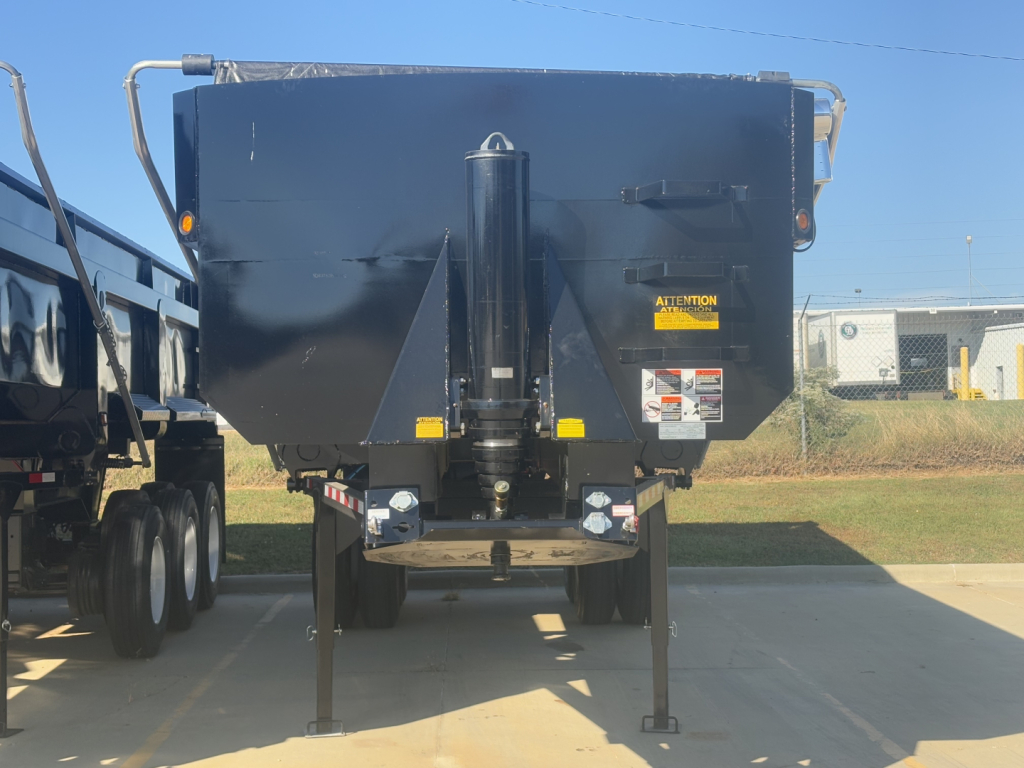
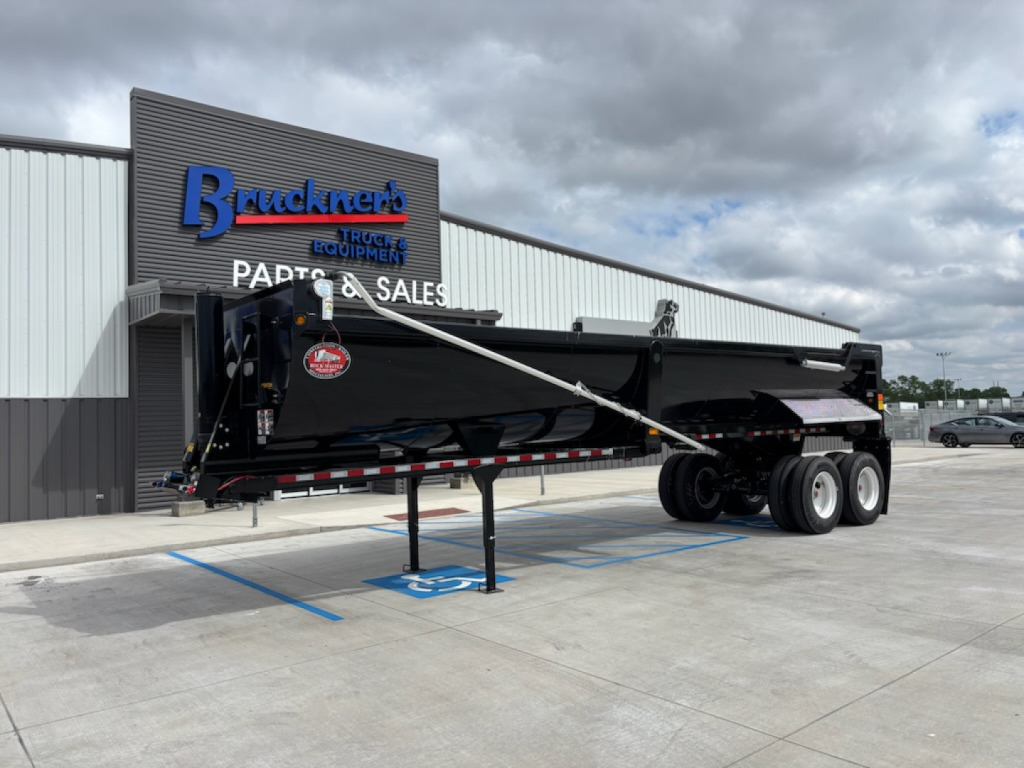
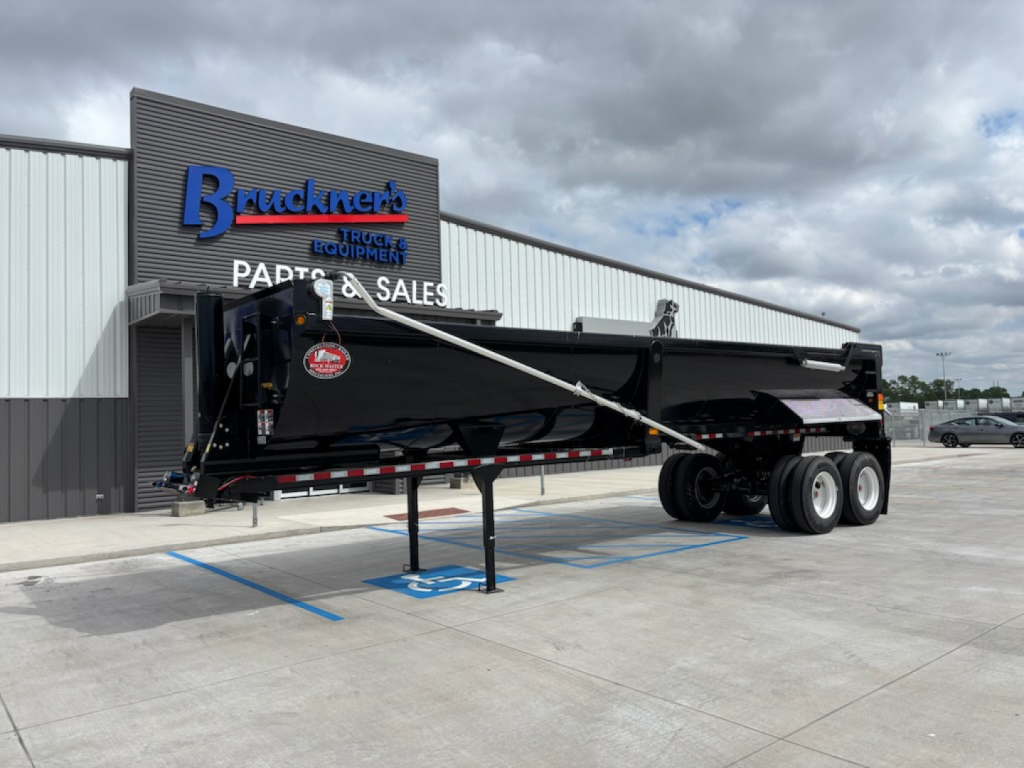
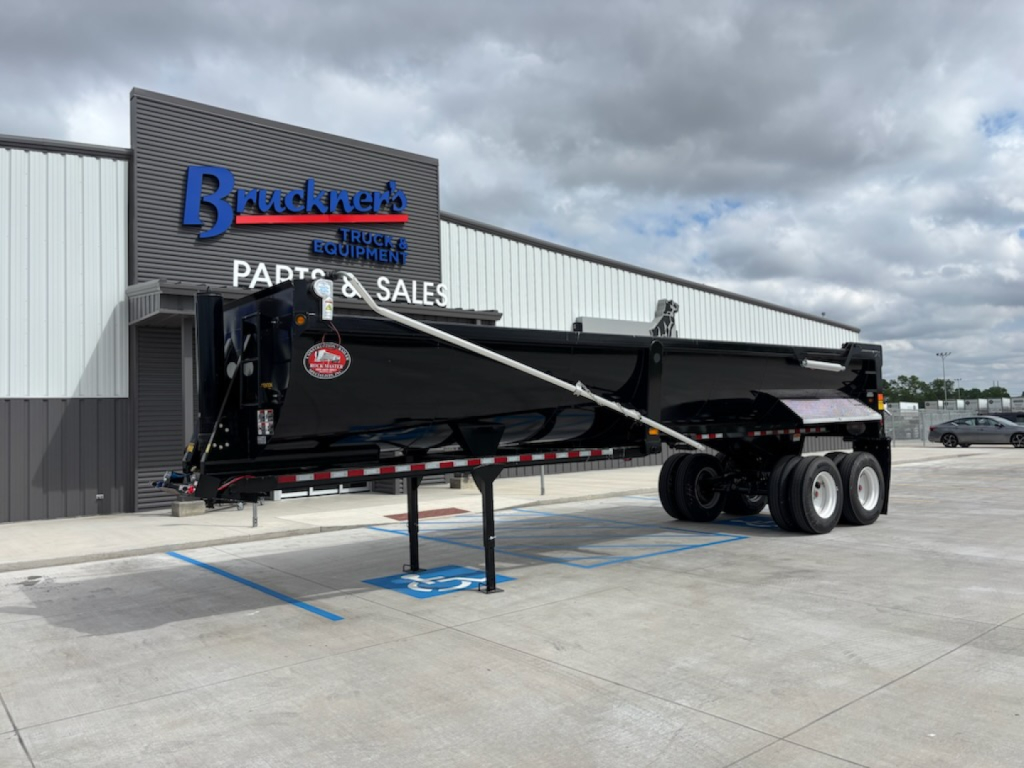
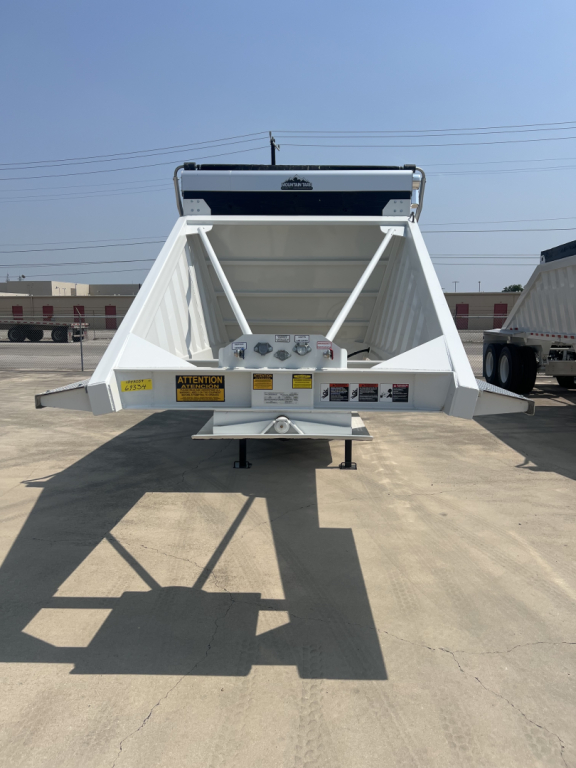
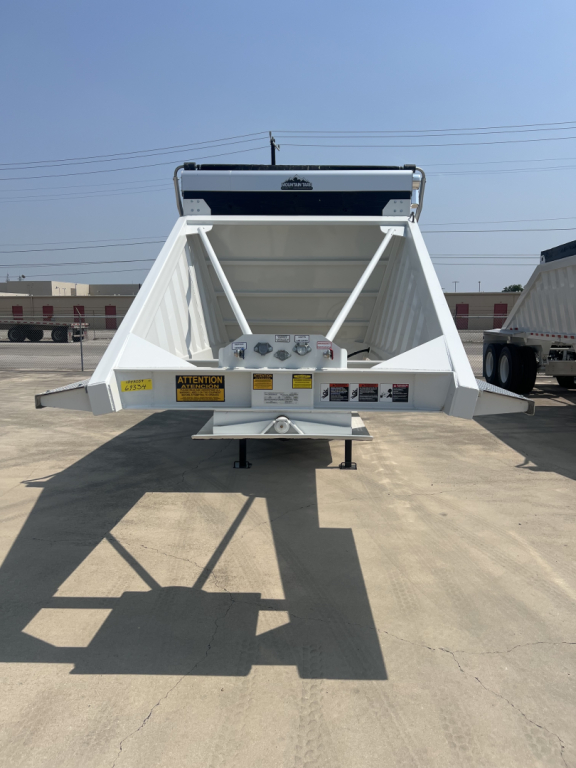
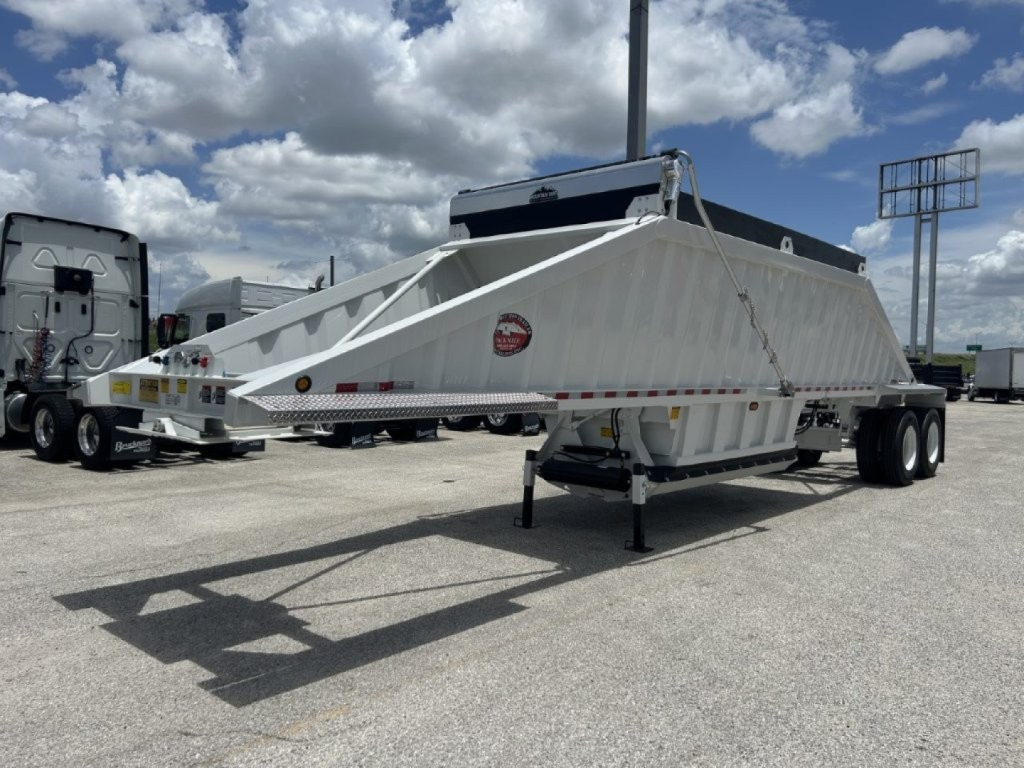
2027 Cts BDT-40 Spring - No Slp Sheets
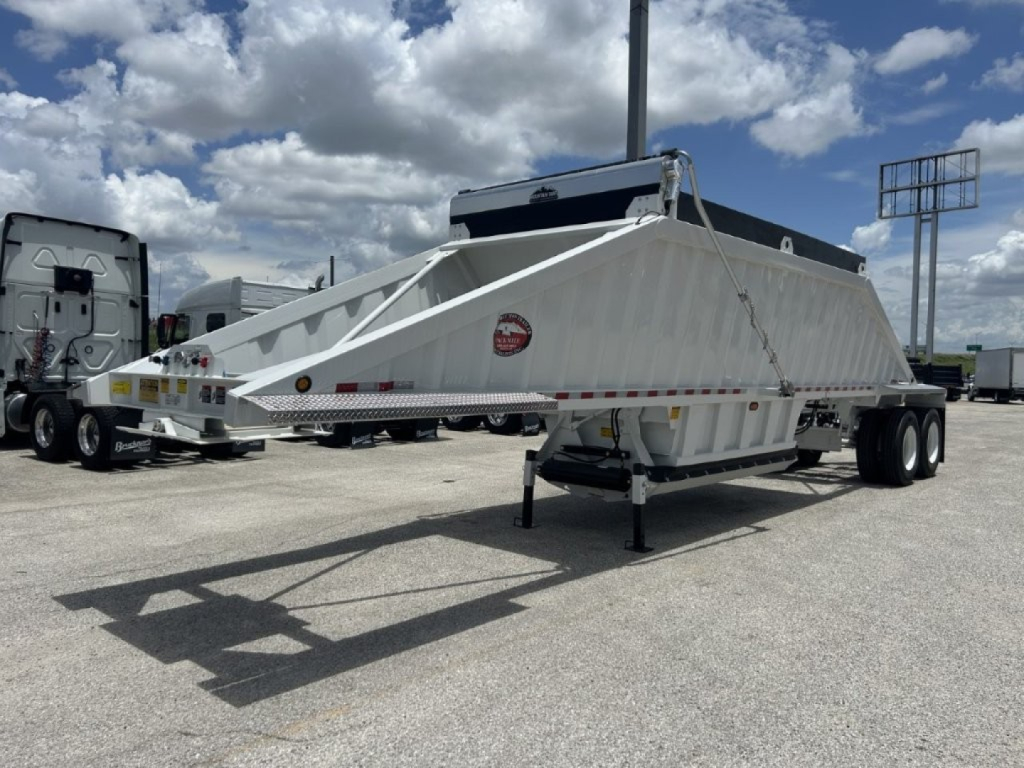
2027 Cts BDT-40 Spring - No Slp Sheets
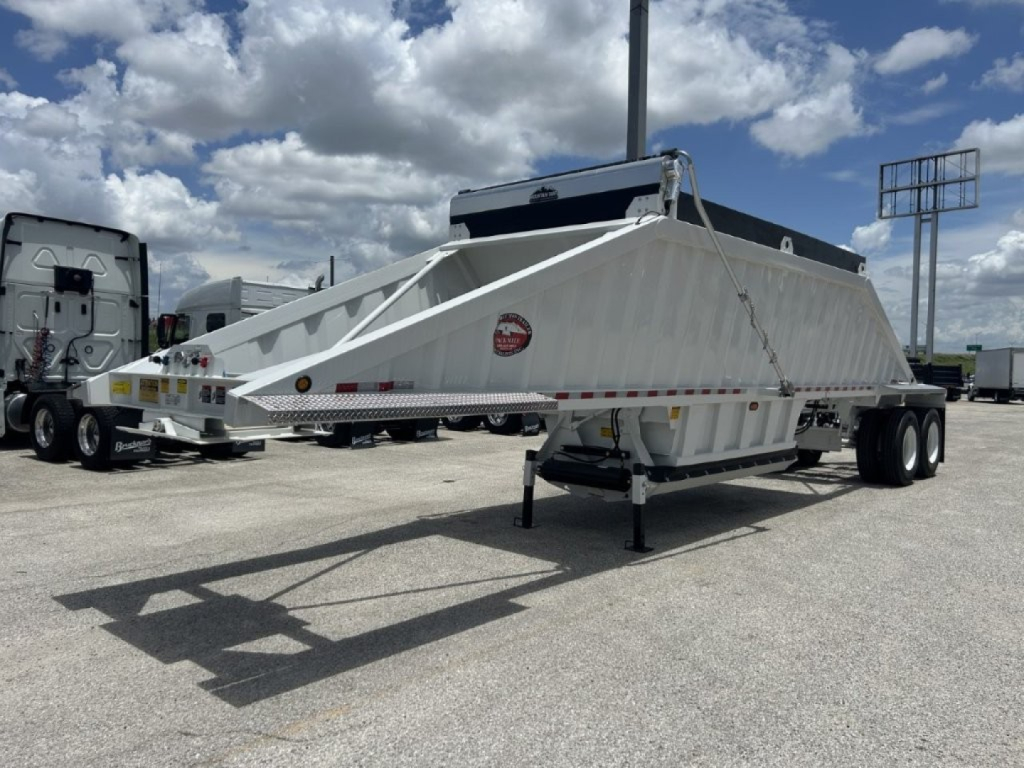
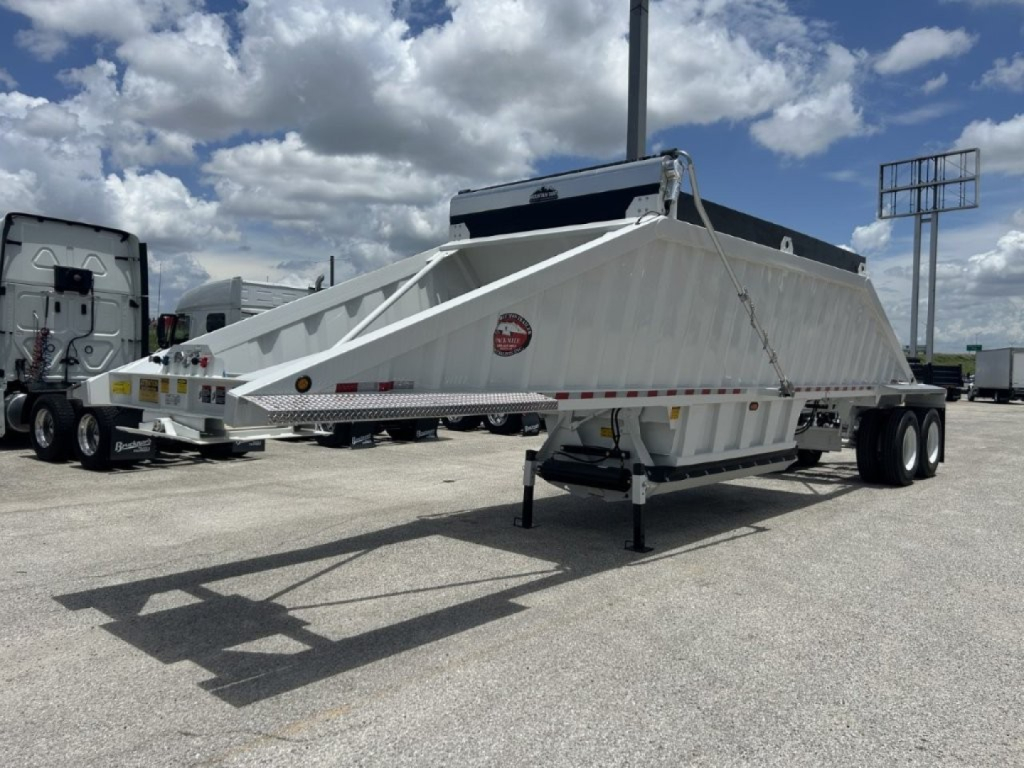
Showing 13 to 24 of 28 results
Have cts dump trailer to sell? List it here to reach thousands of buyers.
About CTS Dump Trailers in Texas
One of the key spec decisions on a CTS dump trailer is spring ride versus air ride. Spring ride is simple, durable, and familiar in severe-duty applications where the trailer sees rough entrances, unpaved lots, and repeated load cycles. Air ride adds better load cushioning and can help reduce shock transfer to the trailer and cargo, which matters for operators prioritizing ride quality, component life, or more controlled handling on mixed road surfaces. Buyers should also look closely at whether the trailer is built with slope sheets or a straight tub design. Front and rear slope sheets can improve material flow and cleanout for certain commodities, while a no-slope-sheet body may be preferred when maximizing usable body shape for specific load types.
Details matter on dump trailers because the work is hard on every component. Features commonly seen on CTS units include 10-inch boards, extended push blocks, quick release valves, and 60-gallon air tanks, all of which support efficient unloading and jobsite functionality. Electric tarp systems such as flip tarp setups are especially important for compliance and load retention on highway runs. Aluminum diamond plate front and rear fenders are also common where operators want a durable finish in high-debris environments. Steel wheels remain a practical choice for fleets that prioritize toughness and easy serviceability over cosmetic appeal.
A buyer comparing CTS dump trailers should pay attention to empty weight, hoist design, liner setup if equipped, axle ratings, brake configuration, and how the body is matched to the intended material. Aggregate and demolition debris place different stresses on the floor and side structure than hot mix asphalt or sand. In Texas, wind exposure, long plant-to-site runs, and mixed pavement and off-road use make tarp reliability, suspension durability, and overall stability especially important. A well-spec'd CTS dump trailer should be matched to the commodity first, then to the route, then to the unloading environment so the trailer works efficiently without giving up durability or legal payload.
Frequently Asked Questions
What is the typical application for a CTS dump trailer?
CTS dump trailers are commonly used for hauling aggregate, sand, gravel, asphalt, millings, and other bulk materials in construction, paving, and road maintenance operations. A 40-foot tandem end dump is a common fit for regional hauling where operators need good cubic-yard capacity, fast unload times, and the ability to handle repeated plant-to-jobsite cycles.
Should I choose a spring ride or air ride CTS dump trailer?
Spring ride is usually preferred for severe-duty work because it is straightforward, durable, and well suited for rough jobsite conditions. Air ride is often chosen when ride quality, cargo protection, and reduced shock transfer are more important. The right choice depends on the road conditions, commodity, and how much time the trailer spends on pavement versus uneven surfaces.
What do slope sheets do on a dump trailer?
Slope sheets help direct material toward the discharge area and can improve cleanout, especially with certain bulk products that tend to hang up in the body. They can be useful for operators hauling materials that benefit from better flow during unloading. Buyers should compare slope-sheet and no-slope-sheet bodies based on the specific commodity and whether body shape or cleanout performance matters more.
Why is tarp equipment important on a dump trailer in Texas?
Tarp systems are important for load security, regulatory compliance, and keeping material contained during highway transport. In Texas, wind and long open-road stretches can make an effective tarp system a practical necessity, not just a convenience. Electric tarp systems can also speed up load coverage and reduce driver effort over multiple trips per day.
What specs matter most when comparing CTS dump trailers?
The most important specs are body length, cubic-yard capacity, suspension type, axle configuration, empty weight, and body design. Buyers should also review the hoist, air system, brake setup, tarp system, fender construction, and push block design. The best trailer is the one that matches the material being hauled, the legal weight target, and the type of sites where it will be loaded and unloaded.