
CPS Dump Trailers For Sale
Shop CPS dump trailers including end dumps, scrap trailers, and bottom dumps with steel tubs, tandem axles, tarp options, and high-capacity bodies.
Learn more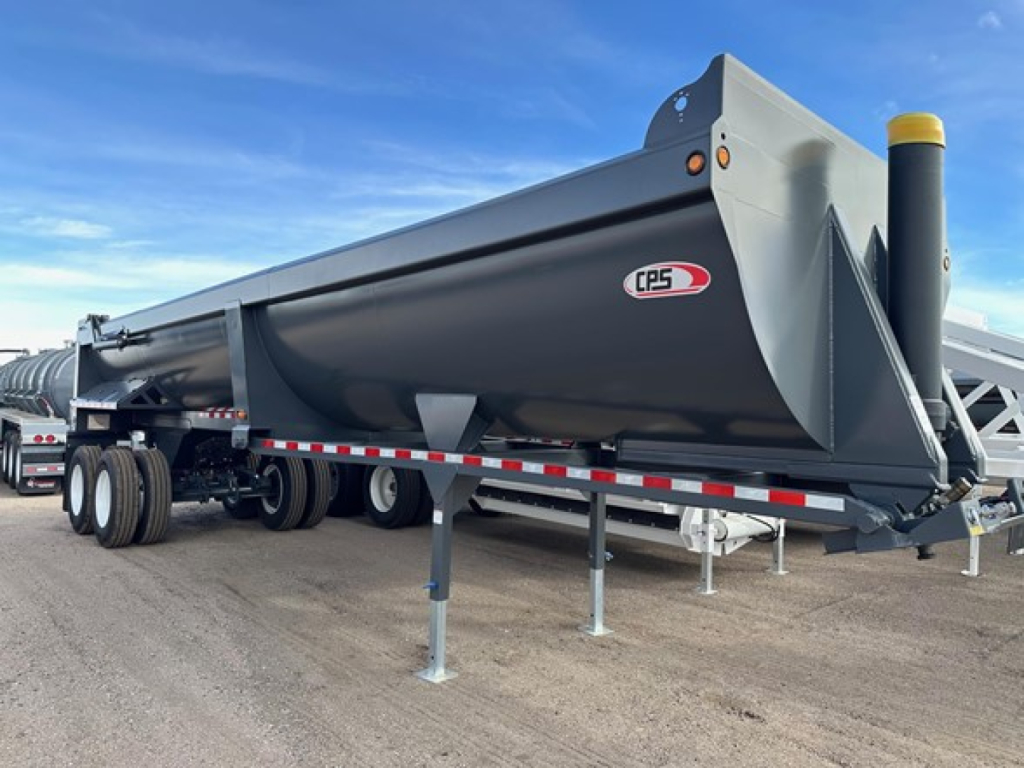
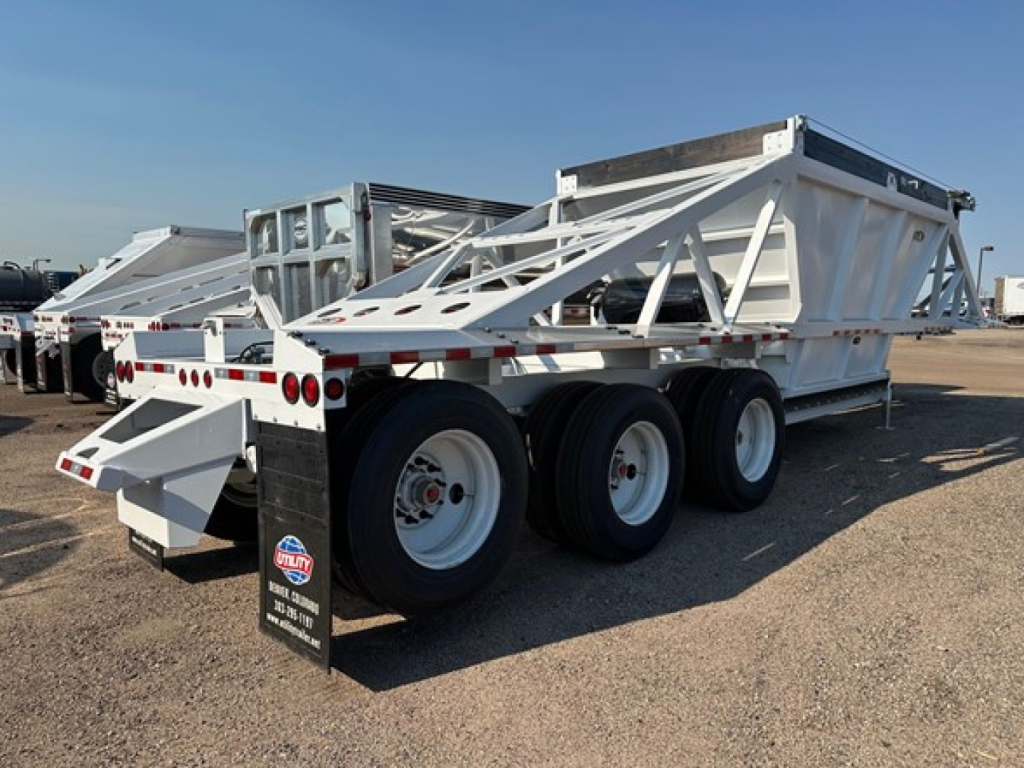
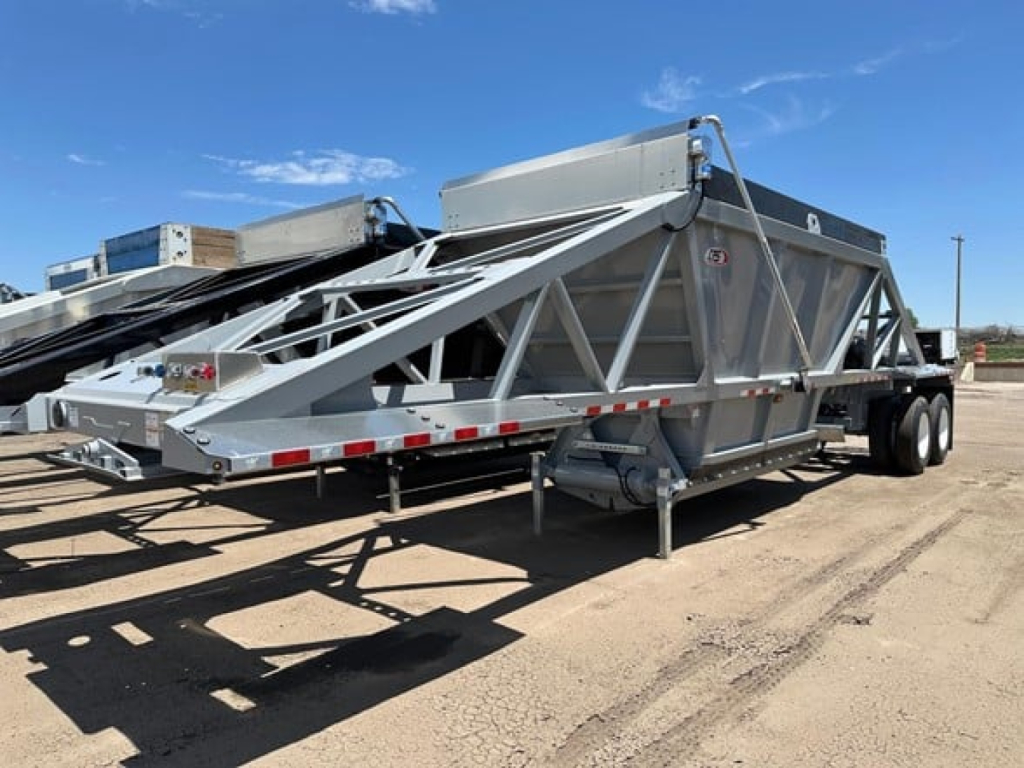
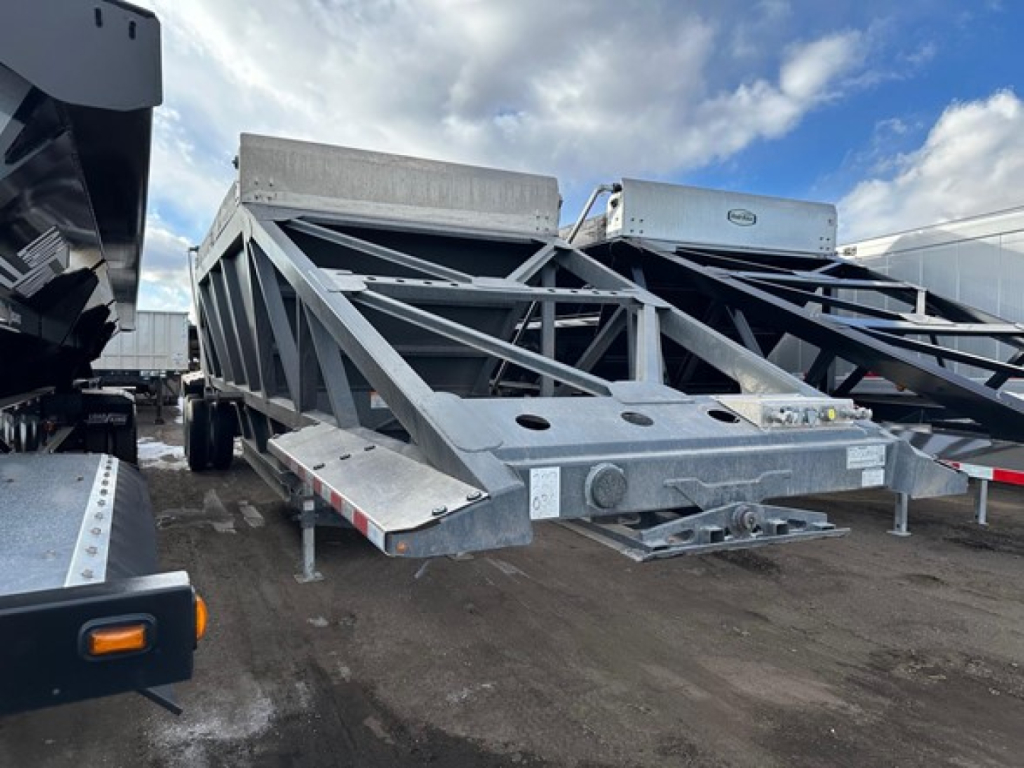
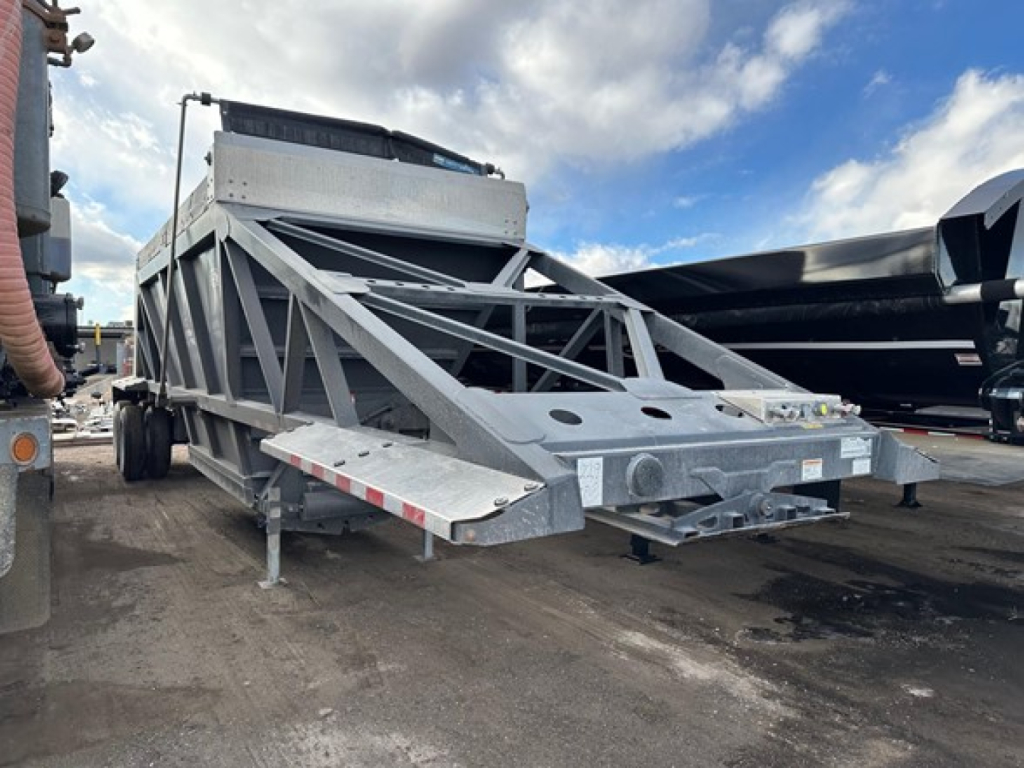
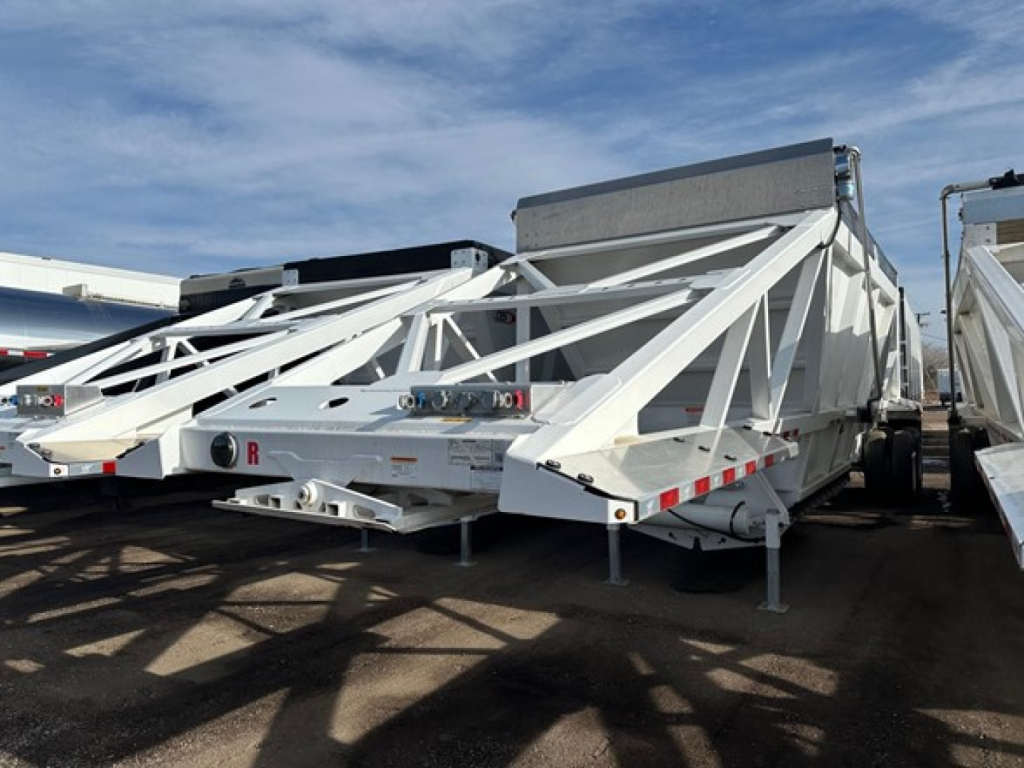
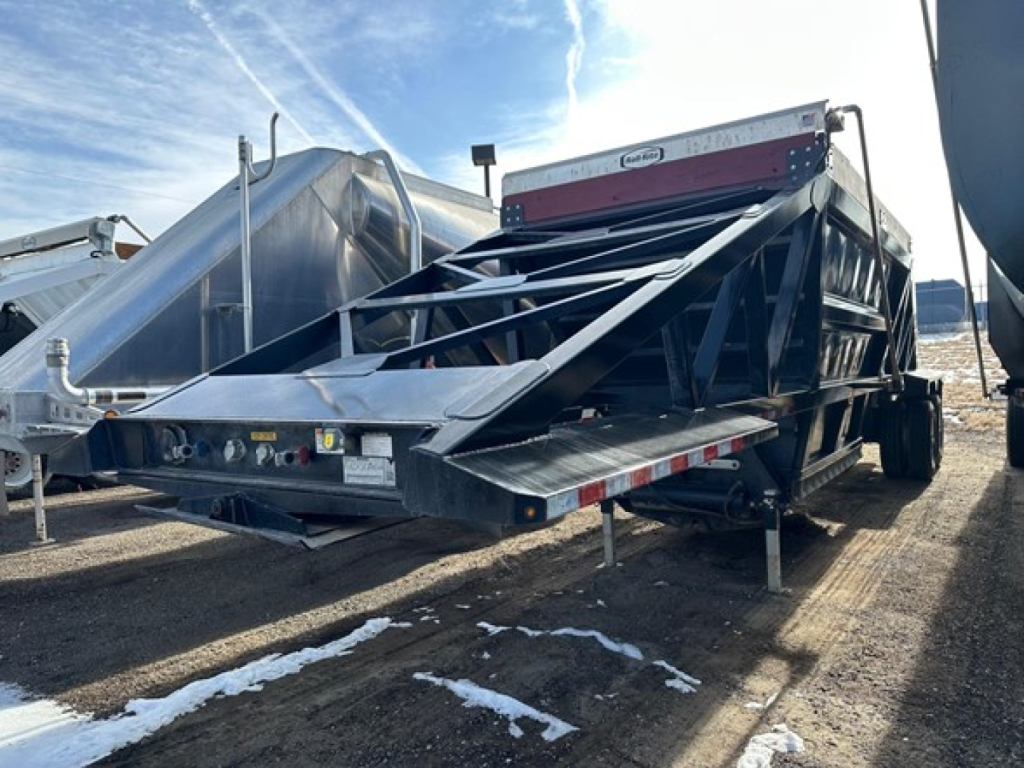
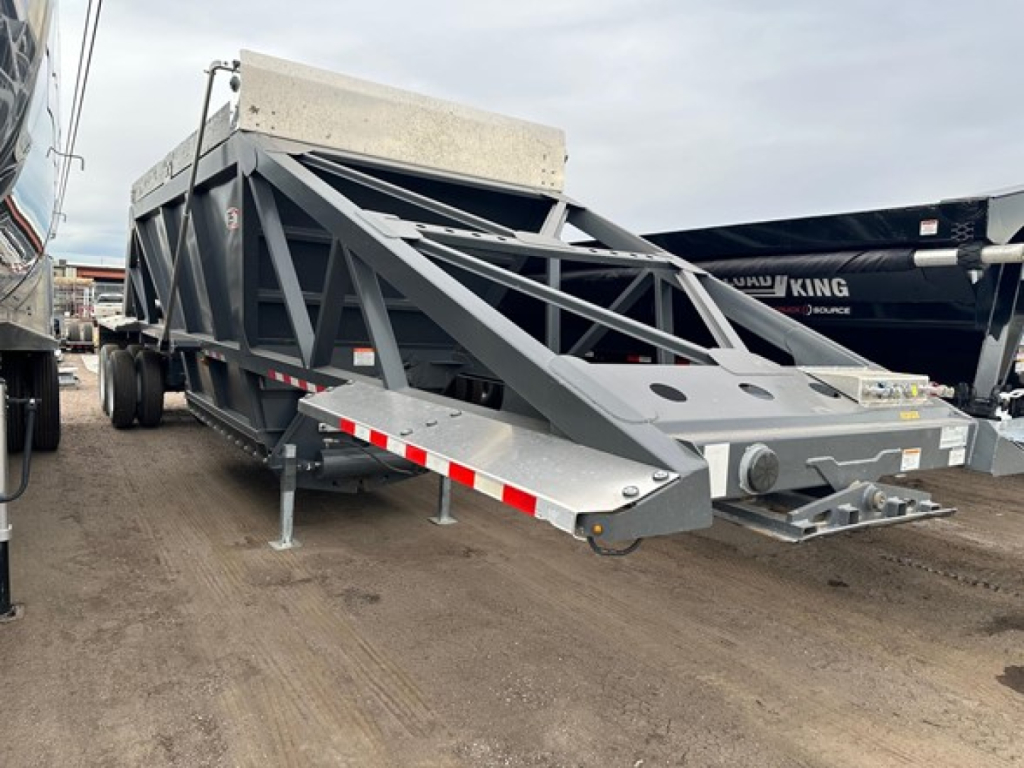
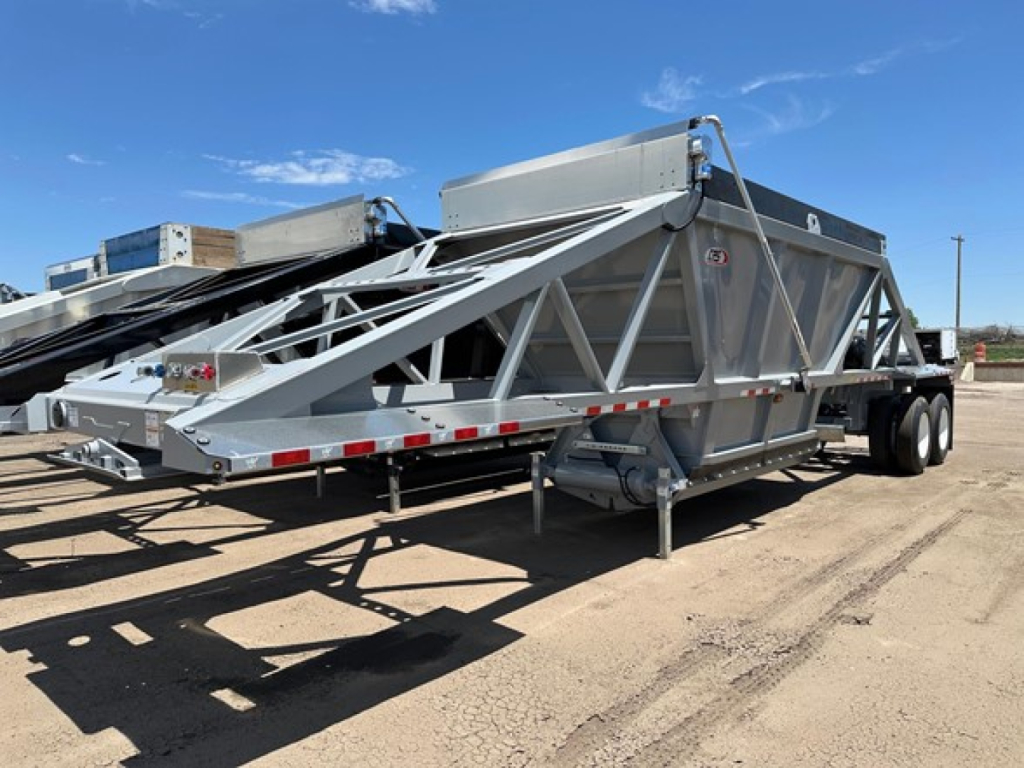
Showing 1 to 12 of 17 results
Have cps dump trailer to sell? List it here to reach thousands of buyers.
About CPS Dump Trailers
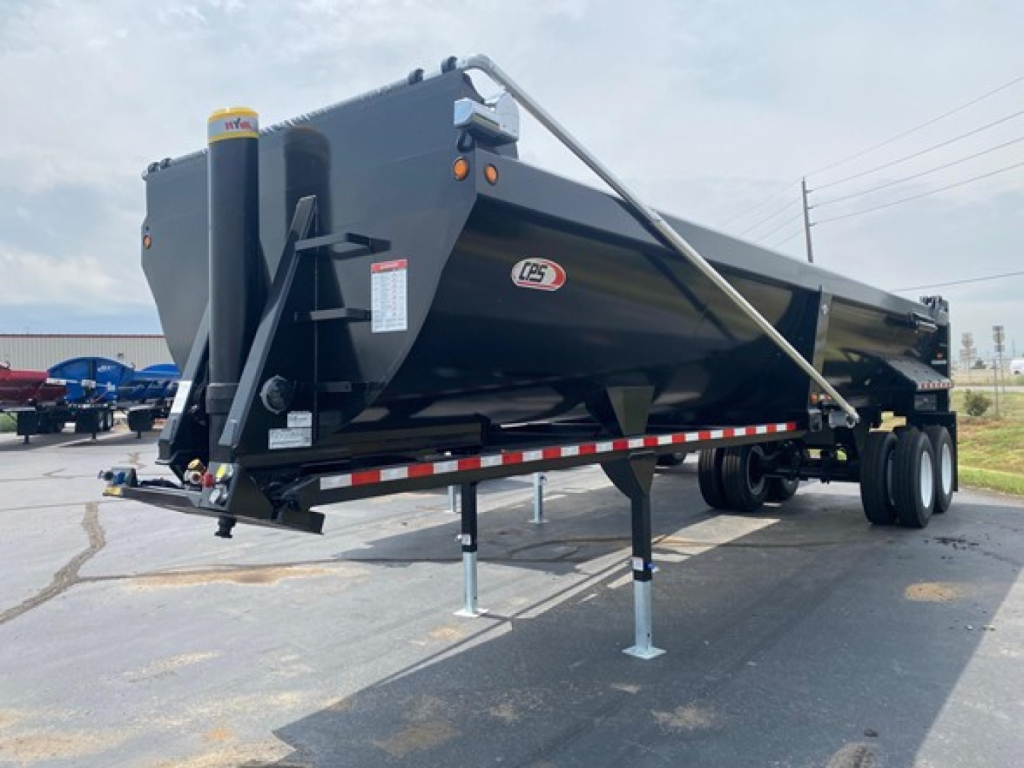
For end dump applications, key decisions usually come down to tub style, side height, gate style, and suspension. CPS frameless half-round end dumps in the 38-foot to 42-foot range are commonly used for rock, scrap, and demolition work, with body heights around 76 inches to 100 inches and capacities ranging from about 60 to 87 cubic yards. Barn door or side-hinged swing gates are common on scrap and demolition specs because they handle bulky material better than a standard spread gate. Single point suspension shows up regularly in these builds and is valued for simplicity and durability in severe-service environments. A buyer hauling heavier, abrasive material should pay close attention to steel grade, tub thickness, and how the trailer balances empty weight against expected wear life.
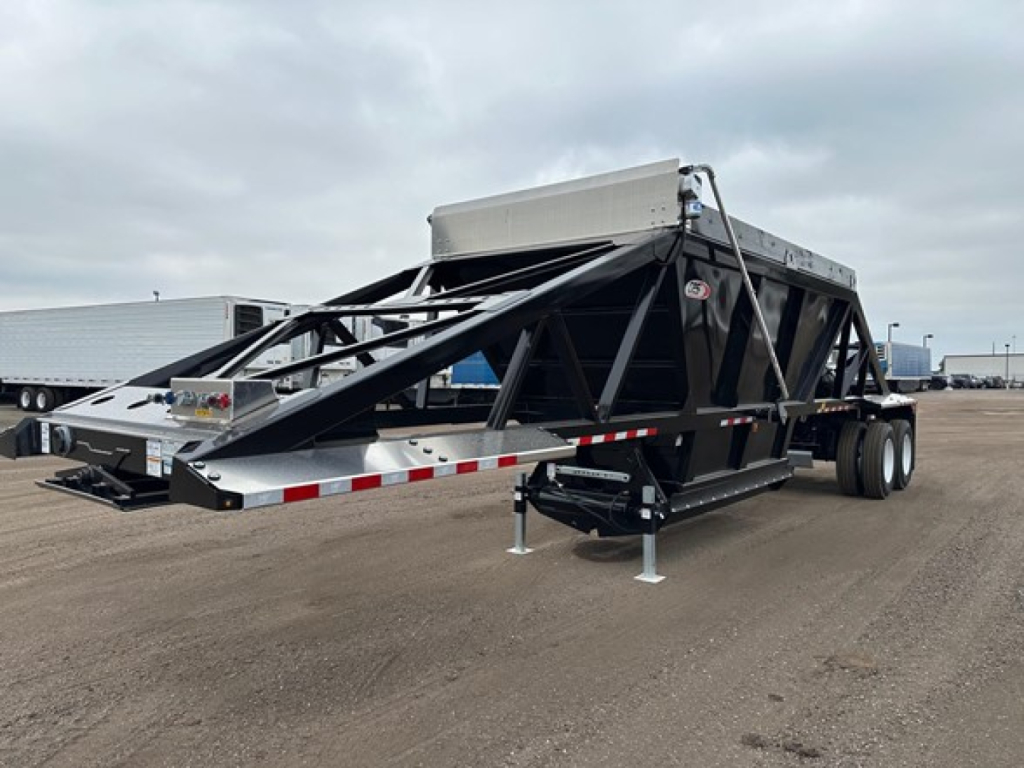
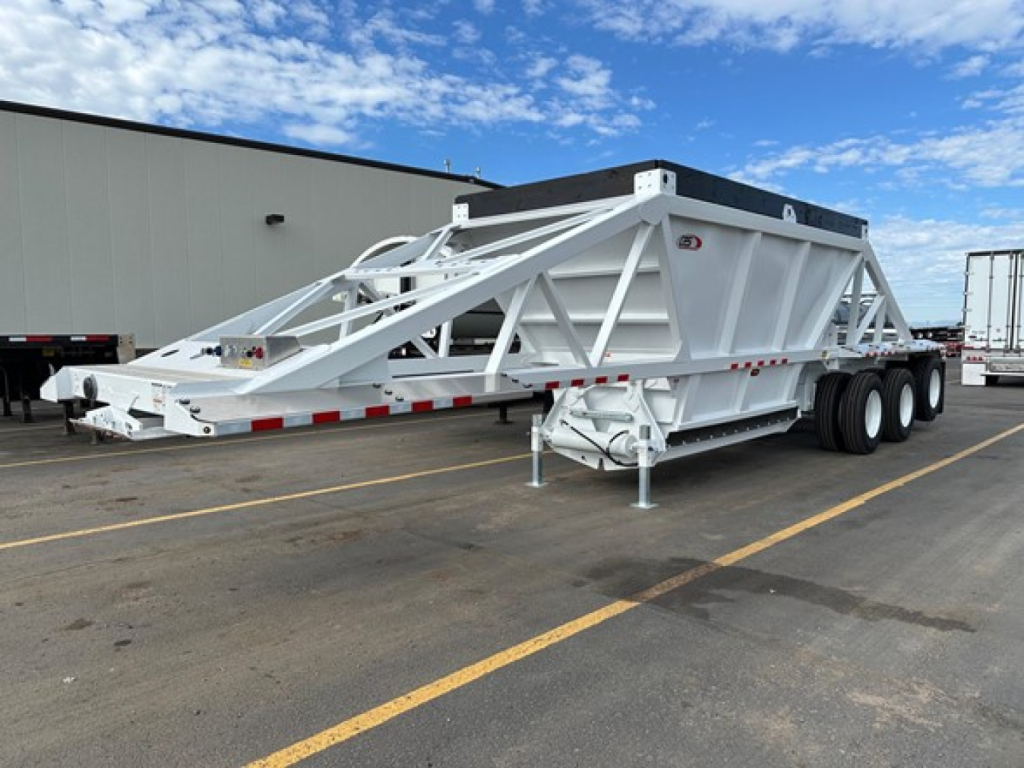
Bottom dump buyers are looking at a different job profile. CPS bottom dumps are typically chosen for road base, aggregates, and paving support where controlled discharge is the priority. Features such as single hopper designs, pin-setting gate limiters, versa valve controls, windrow deflectors, bang boards, and electric flip tarps make a difference in how precisely the trailer can place material. Air ride suspension may be preferred for certain fleets and routes, while a closed tandem setup and push block can be important for paving train use. If the trailer will spend most of its time on highway material spreads, gate operation and discharge consistency should rank just as high as body capacity.
When comparing CPS dump trailers, focus on the application before the price sheet. A high-cube scrap trailer with 100-inch sides is built for very different freight than a lower-side rock tub or a bottom dump feeding a road crew. Check overall length, tub length, cubic yard rating, suspension type, tarp setup, ladder placement, fenders, and landing gear spec. Also confirm gate design, axle spacing, and whether the trailer is optimized for legal payload in your state. The best CPS dump trailer for one operation is usually the one that matches material density, loading method, dump site conditions, and the amount of abuse the body will see over its service life.
Frequently Asked Questions
What types of CPS dump trailers are most common?
The most common CPS dump trailer types are frameless end dumps for rock, scrap, and demolition material, along with bottom dumps for controlled aggregate spreading. Many CPS end dumps use half-round steel tubs, tandem axles, and barn door style gates, while bottom dumps are often equipped with hopper controls, windrow deflectors, and paving-friendly features. The right type depends on whether the job requires vertical dumping or metered discharge through hopper gates.
Why do many CPS end dumps use a half-round AR450 steel tub?
A half-round AR450 steel tub is popular because it improves material flow and stands up well to abrasive loads. The rounded interior helps reduce carryback and makes unloading more consistent, especially with rock, scrap, and demolition debris. AR450 steel is used for wear resistance, which can extend body life in severe-duty applications, though buyers should still compare thickness and overall body construction when evaluating long-term durability.
How do I choose between a CPS end dump and a CPS bottom dump?
Choose an end dump if the work involves hauling bulk material to a dump site where the trailer can safely raise and unload the entire body. Choose a bottom dump if the operation needs controlled material placement, such as road building, shoulder work, or aggregate spreading. End dumps are more common for demolition and scrap, while bottom dumps are better suited to paving support and jobs where a steady, adjustable discharge is needed.
What specs matter most when comparing CPS scrap or demolition trailers?
The most important specs are cubic yard capacity, side height, tub length, steel construction, gate style, and suspension. High-cube scrap and demolition trailers often have taller sides, such as 100-inch bodies, and barn door gates for bulky or irregular material. Buyers should also look at ladder placement, tarp equipment, fenders, tire size, and the suspension design because those details affect day-to-day usability, maintenance, and legal payload.
Is single point suspension a good choice on a dump trailer?
Single point suspension is a common choice on severe-service dump trailers because it is durable and relatively simple. It is often favored in rough jobsite conditions where toughness and ease of maintenance are priorities. That said, the best suspension depends on the route, material, and operating environment. Fleets running more highway miles or specialized applications may prefer air ride on certain dump trailer configurations, especially bottom dumps.