
XL Specialized Drop Deck Trailers For Sale
Shop XL Specialized drop deck trailers with heavy-duty construction, low deck height, and strong payload capacity for equipment hauling.
No exact matches found for your search
Showing Drop Deck Trailers instead.
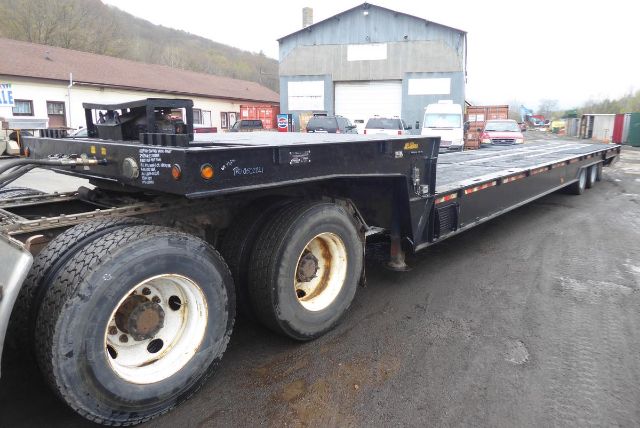
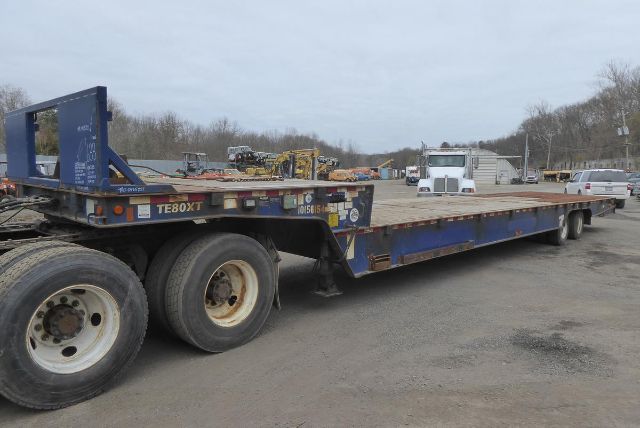
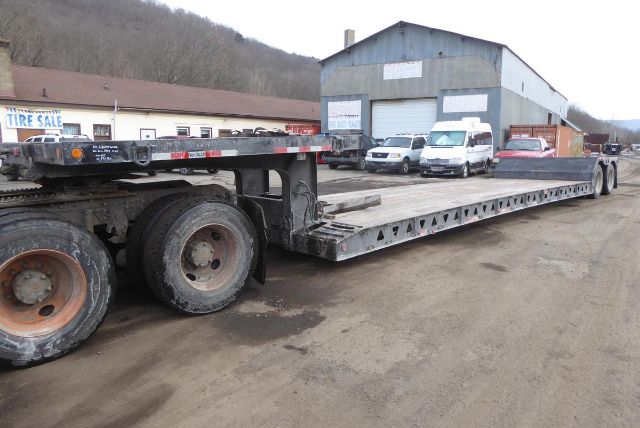
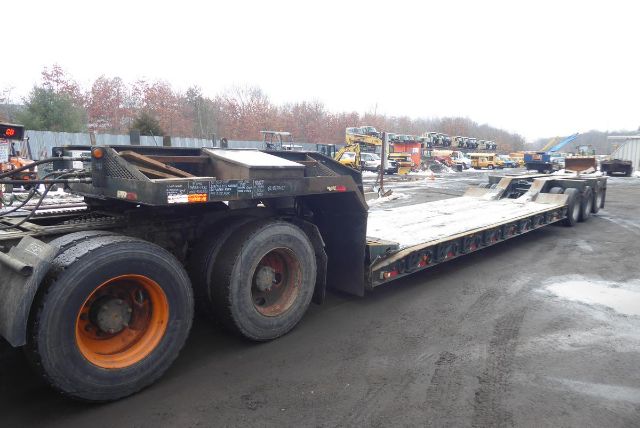
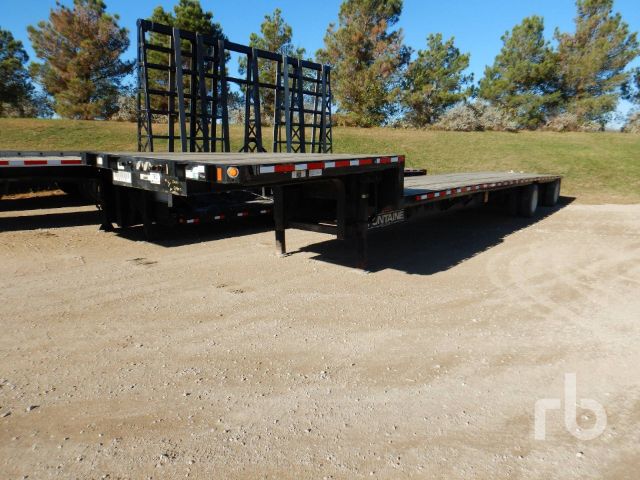
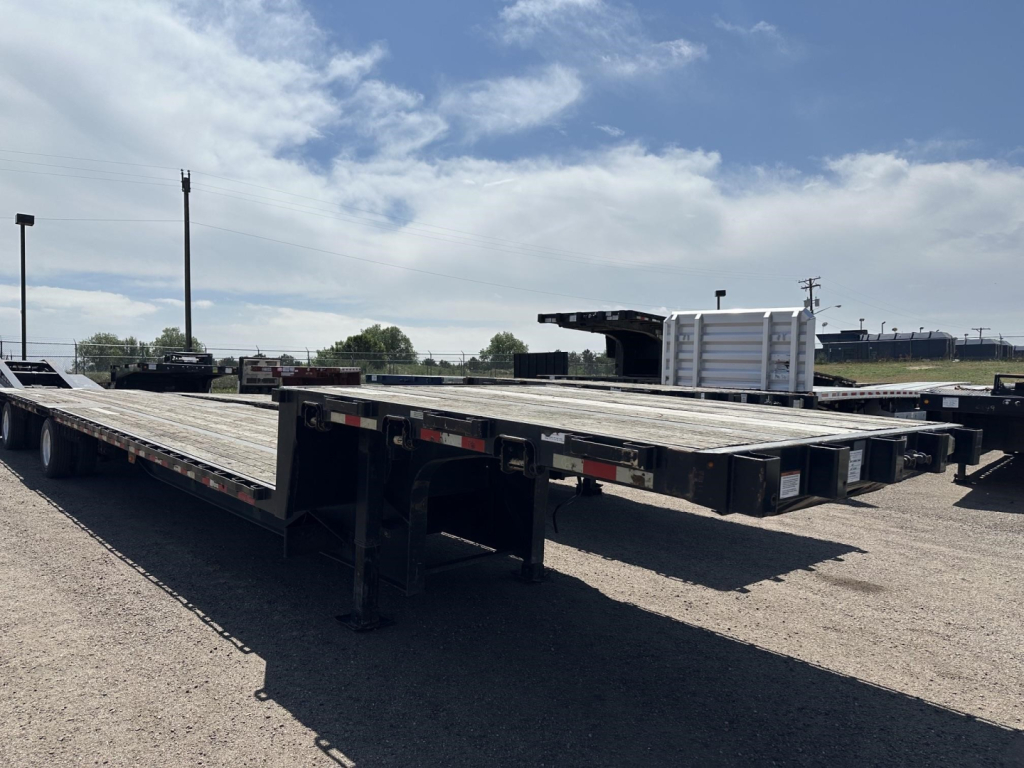
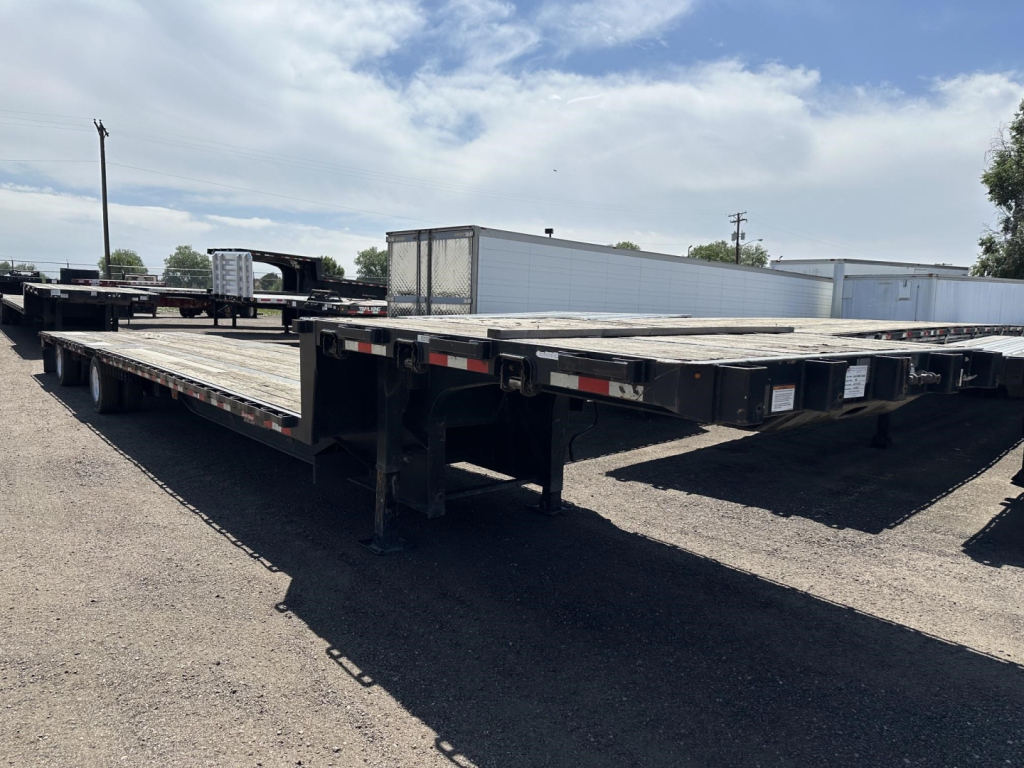
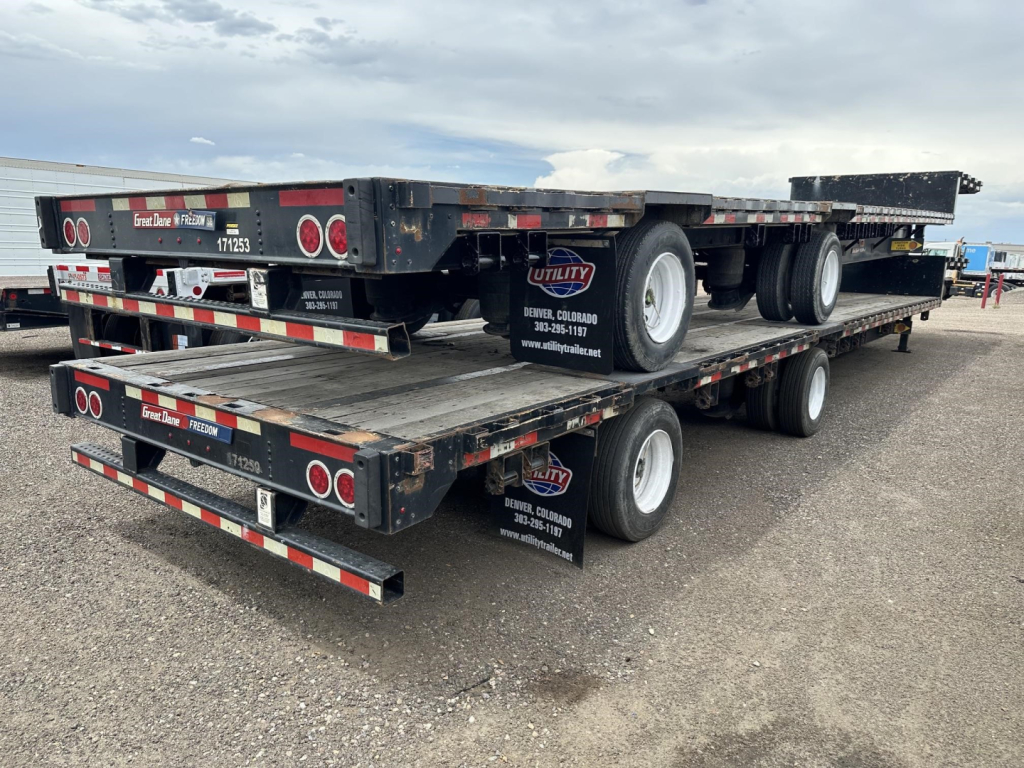
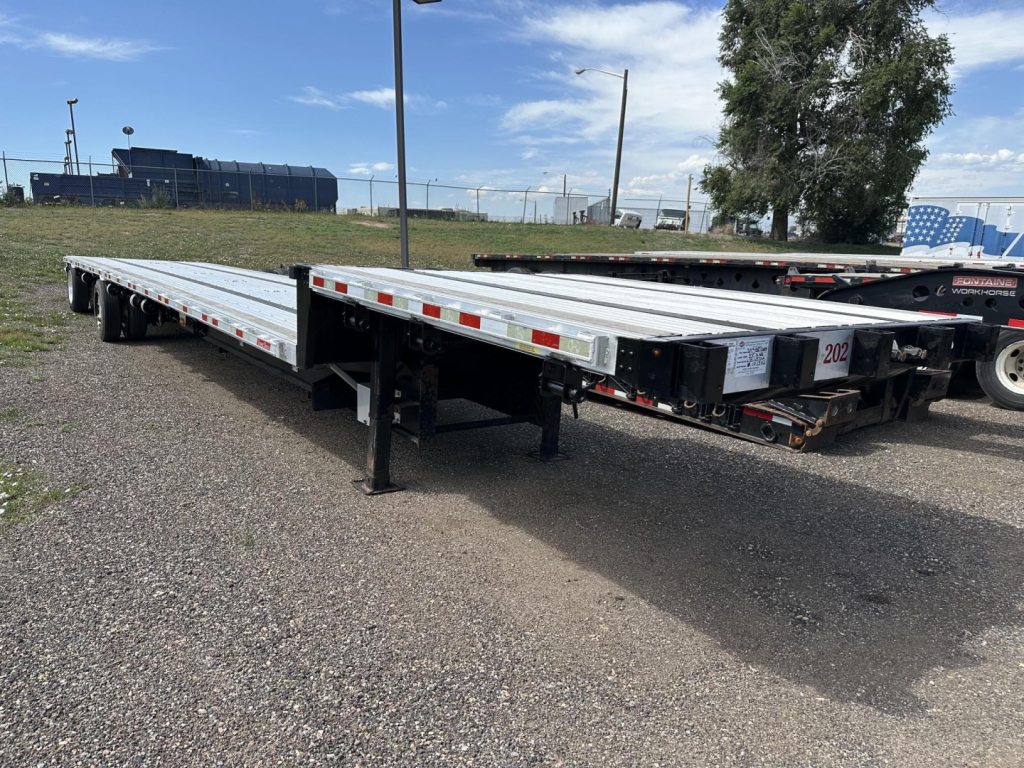
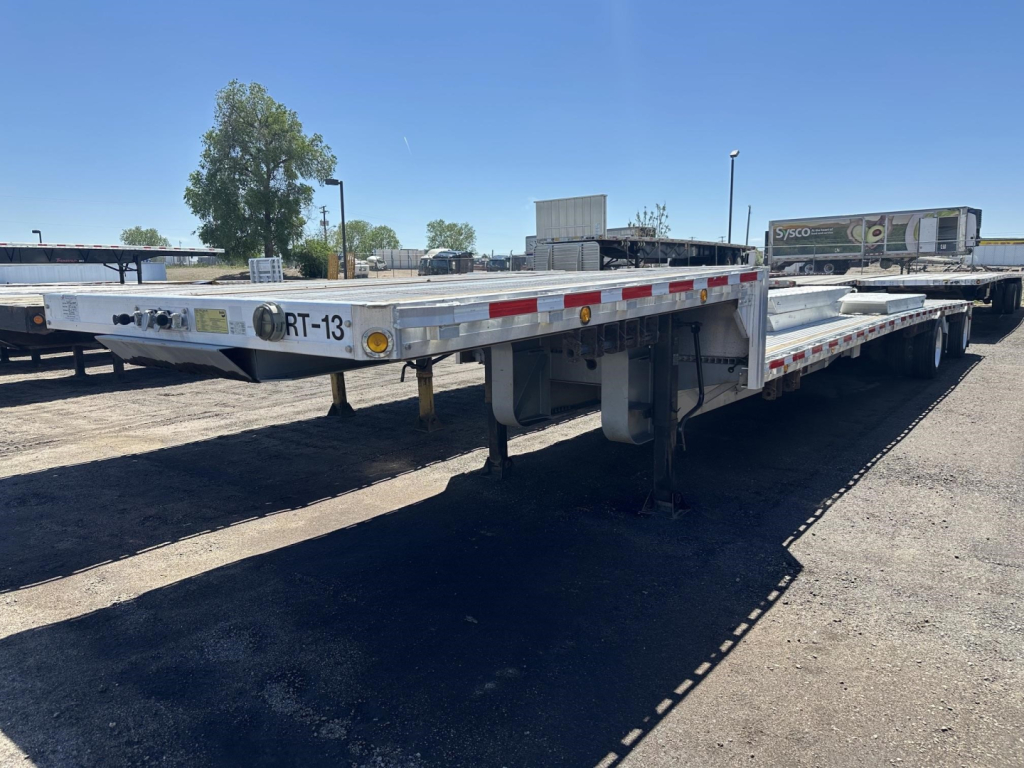
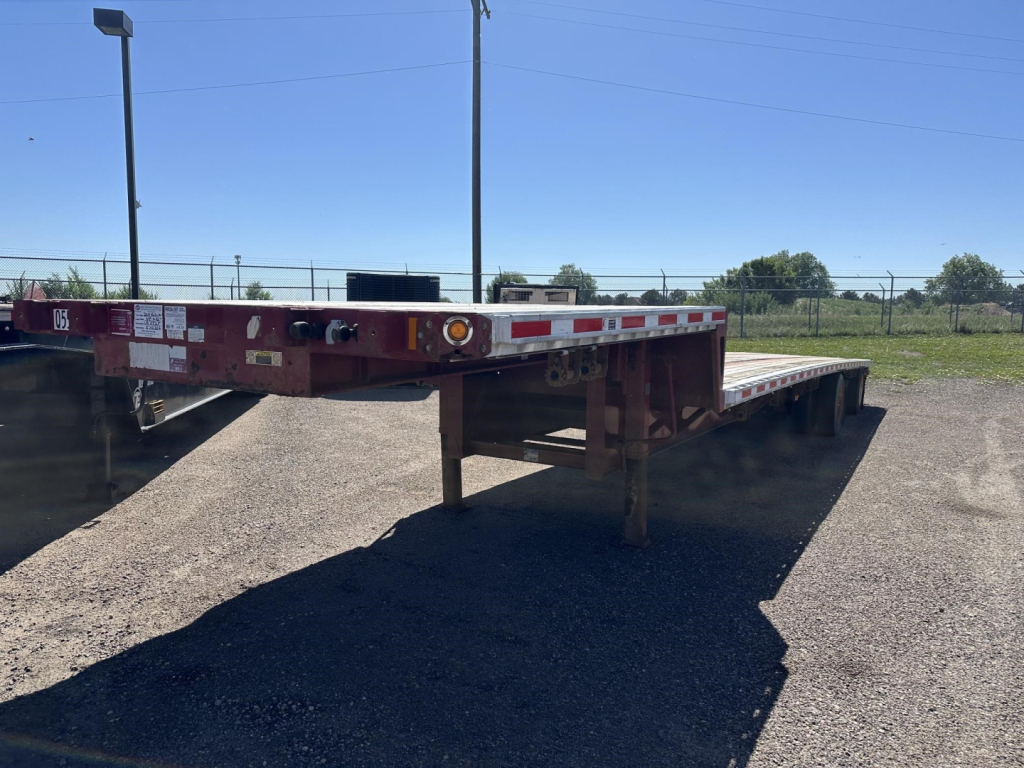
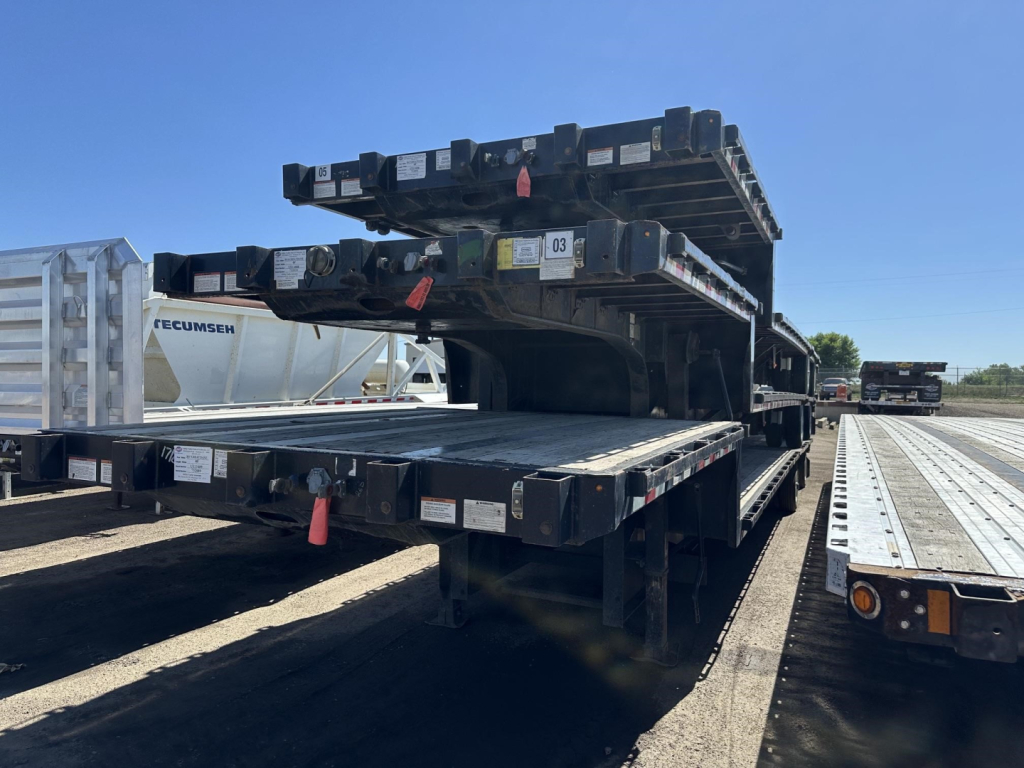
Showing 97 to 108 of 189 results
Have xl specialized drop deck trailer to sell? List it here to reach thousands of buyers.
XL Specialized Drop Deck Trailers
Capacity and deck layout matter more than the badge on the side. Many XL Specialized drop deck trailers are spec'd for commercial equipment hauling with widths around 102 inches and overall lengths commonly in the 48-foot to 53-foot range. Buyers should pay close attention to the main deck length versus upper deck length, since that determines how usable the trailer really is for a skid steer, compact excavator, telehandler, or long freight that has to be balanced around axle group placement. Deck height is another major factor because even a few inches can change what can move legally without permits. Features such as a hydraulic beavertail, ramps, winches, chain pull-outs, Apitong flooring, and closely spaced crossmembers can make a real difference in daily use and long-term durability.
Suspension, axle configuration, and frame design are just as important as published tonnage. XL Specialized is well known in heavy-haul and equipment transport circles, so many of these trailers are built with stronger frame sections, air ride suspension options, and components intended for repeated loading of concentrated weight. Buyers should verify axle ratings, kingpin setting, loaded fifth-wheel height compatibility, and tire size before matching a trailer to a truck. It also makes sense to inspect the lower deck for floor wear, crossmember damage, ramp hinge wear, and signs of frame fatigue around the neck transition and suspension area, especially on used equipment trailers that have spent time hauling tracked machines.
For many operations, an XL Specialized drop deck fills the space between a general-purpose flatbed and a true lowboy. It gives more cargo height than a flatbed, but keeps loading and securement simpler than specialized heavy-haul configurations in many applications. That makes this trailer class a practical choice for contractors, rental fleets, machinery movers, and regional carriers that need a step deck with better structural integrity and a reputation for handling demanding loads. If the work involves frequent equipment moves, irregular freight dimensions, or customers that load from a dock one day and over the rear the next, this category is worth a close look.
Frequently Asked Questions about XL Specialized Drop Deck Trailers
What is the main advantage of an XL Specialized drop deck trailer over a standard flatbed?
The main advantage is lower deck height. A drop deck trailer, also called a step deck, allows taller freight to be hauled while staying within legal height limits more easily than a flatbed. XL Specialized units are also often chosen for heavier-duty applications because they are commonly built with strong frame construction, equipment-friendly deck layouts, and options suited for machinery hauling.
What specs matter most when comparing XL Specialized drop deck trailers?
The most important specs are rated payload or ton capacity, overall length, main deck length, upper deck length, loaded deck height, axle ratings, and suspension type. Buyers should also look at rear loading features such as ramps or hydraulic beavertails, flooring material like Apitong, crossmember spacing, kingpin setting, and tire size. These details affect legal loading height, ease of loading, weight distribution, and long-term maintenance.
Are XL Specialized drop deck trailers good for hauling equipment?
Yes. This trailer class is commonly used for construction equipment, agricultural equipment, forklifts, compact excavators, skid steers, attachments, and other freight with concentrated weight. The lower main deck improves height clearance, and many XL Specialized trailers are spec'd with features that support machine loading and securement. The exact suitability depends on axle capacity, deck length, and how the machine's weight is distributed across the trailer.
How is a drop deck different from a lowboy trailer?
A drop deck trailer has two deck levels and is generally easier to use for mixed freight and routine equipment moves. A lowboy sits much lower and is designed for taller and heavier machinery that may exceed what a step deck can handle. Buyers usually choose a drop deck when they want more height clearance than a flatbed offers, but do not need the extreme low deck height or specialized configuration of a lowboy.
What should I inspect on a used XL Specialized drop deck trailer?
Focus on structural and wear areas first. Check the frame rails, neck area, crossmembers, floor condition, suspension, axle alignment, brakes, and tire wear. If the trailer has ramps or a hydraulic beavertail, inspect hinge points, cylinders, and locking mechanisms. It is also smart to look for deck damage from tracked equipment, repairs around high-stress areas, and any signs that the trailer has routinely operated near or above its intended capacity.